
















Dental emergencies can happen at any time, and it's important to know how to deal with them. In this article, we'll take a look at the different dental emergencies and what you need to do to deal with them.
1 - What is a dental emergency?
Dental emergencies are urgent situations that require prompt treatment by a dentist or oral surgeon. These situations can be painful and affect oral health.
2 - What are the most common dental emergencies?
The most common dental emergencies include tooth pain, toothache and dental abscesses. These situations can be very painful and require immediate care.
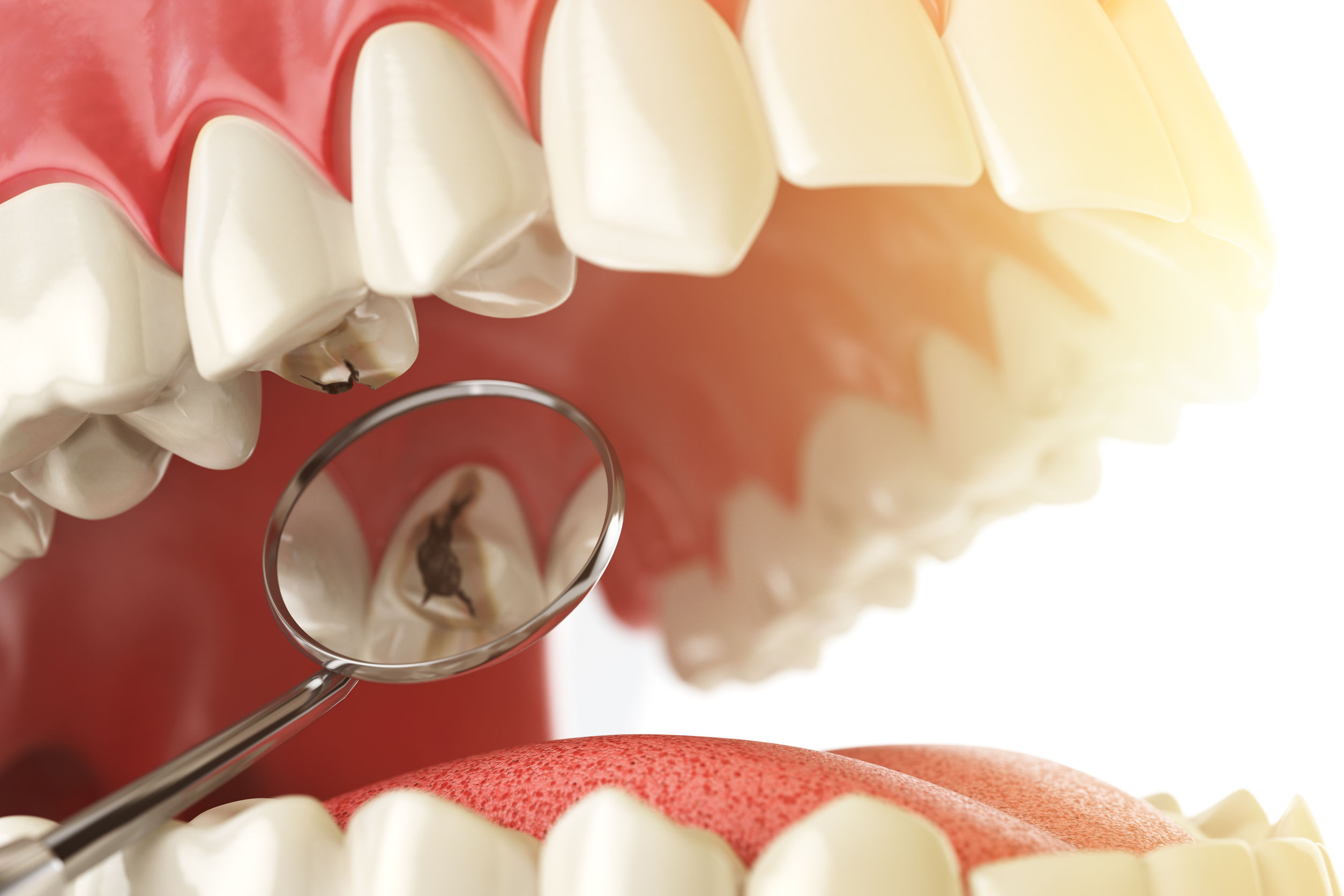
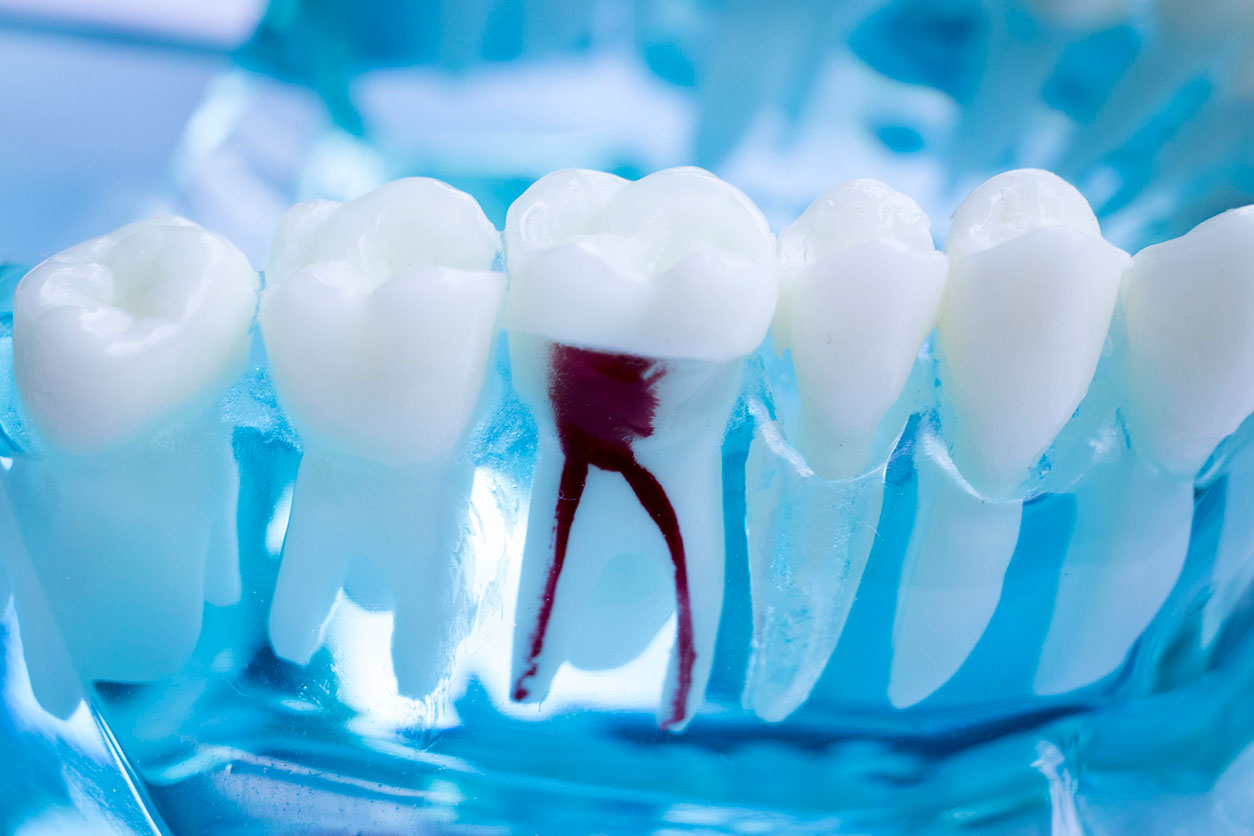
Tooth pain can be caused by tooth decay, pulpitis, or a fractured tooth. Toothache is intense pain caused by inflammation of the dental pulp. A dental abscess is an infection that develops in the soft tissue around the tooth or gum.
Dental trauma is also considered a dental emergency. It can be caused by a fall, a sports injury, or a violent blow. Dental trauma can result in broken teeth, tooth extractions, or even jaw fractures. Dental emergencies can also be caused by problems with dental prosthetics.
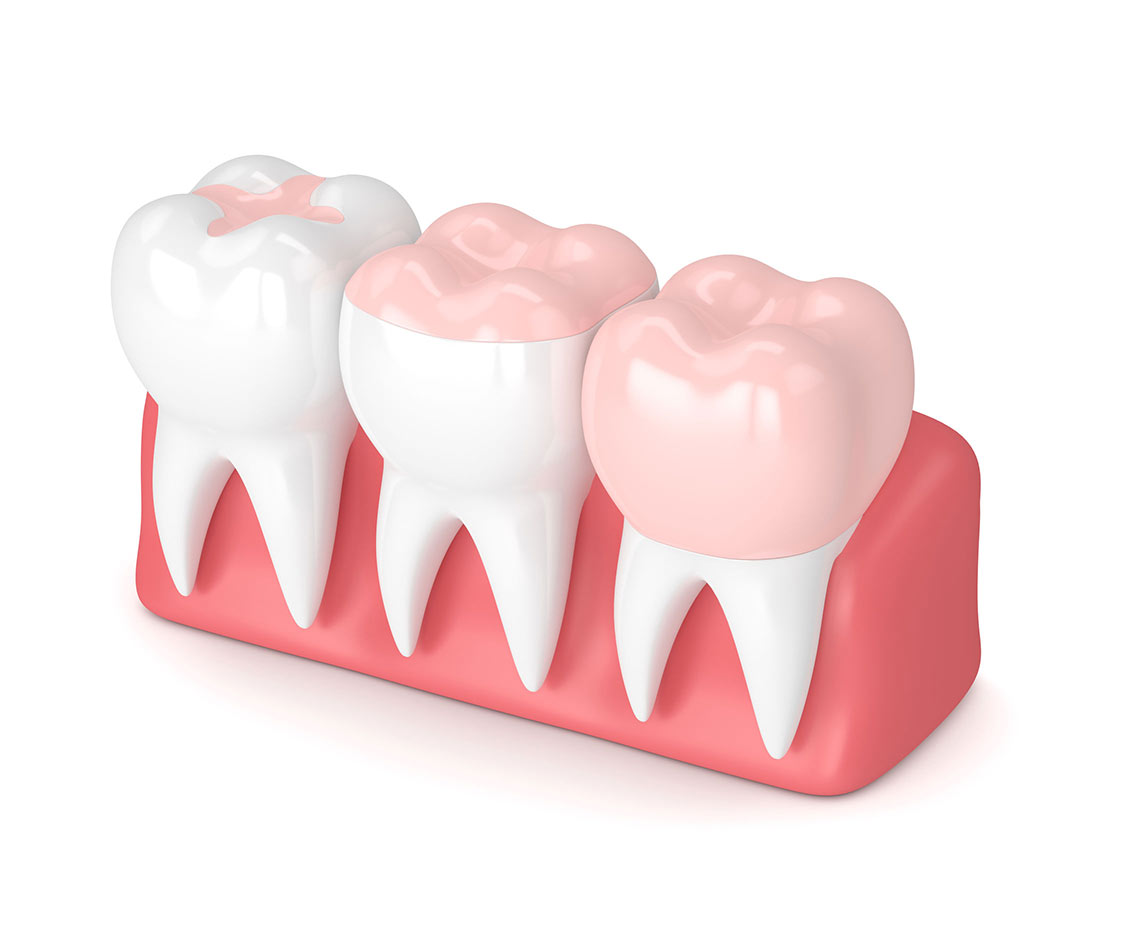
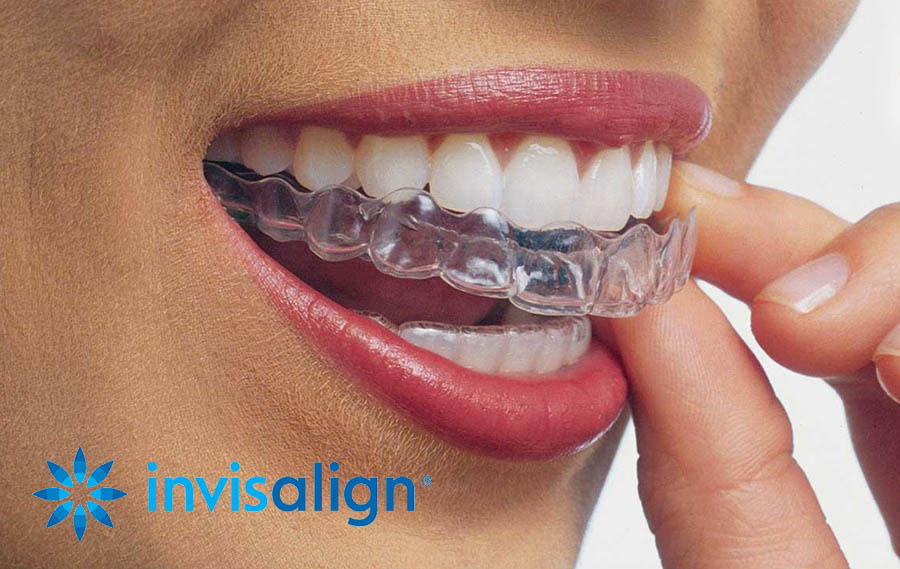
Dentures can cause pain, irritation or infection. Emergencies can also be related to orthodontic problems, such as pain from braces.
3 - What are the first steps to take in a dental emergency?
Dental emergencies are unexpected situations that require immediate attention to avoid complications and pain.
In the event of an emergency, it's essential to know how to use first aid to deal with the situation quickly. Dental emergencies can happen at any time, including Sundays and public holidays. That's why it's vital to know what to do when the need arises.
The first thing to do in the event of dental pain is to make an emergency appointment with a dentist. To find a dentist at weekends or in the evening, there are dental health centers, dental practices or dental clinics open outside normal opening hours.
Making a dental appointment
In the event of a dental emergency, it's important to react quickly to avoid aggravating the pain or, in some cases, the infection. In the case of a broken tooth, it's a good idea to retrieve any broken tooth fragments and take them with you to the dentist.
To relieve pain, you can take an over-the-counter painkiller until you consult a practitioner. In the event of bleeding, it is important to apply ice to the affected area to limit inflammation.
If the pain is unbearable, a painkiller is recommended. If a tooth has fallen out as a result of shock or trauma, the tooth should be recovered and preserved in a sterile liquid such as milk or saliva, before visiting a dentist.
You should avoid touching or cleaning the tooth after a fall. If you experience pain or possible gum inflammation, it is recommended that you brush your teeth and floss to remove bacteria.
In all cases, good oral and dental hygiene is essential to avoid dental emergencies, including regular brushing and flossing. For optimum care, we recommend visiting a local dentist.

4 - How can I get dental treatment?
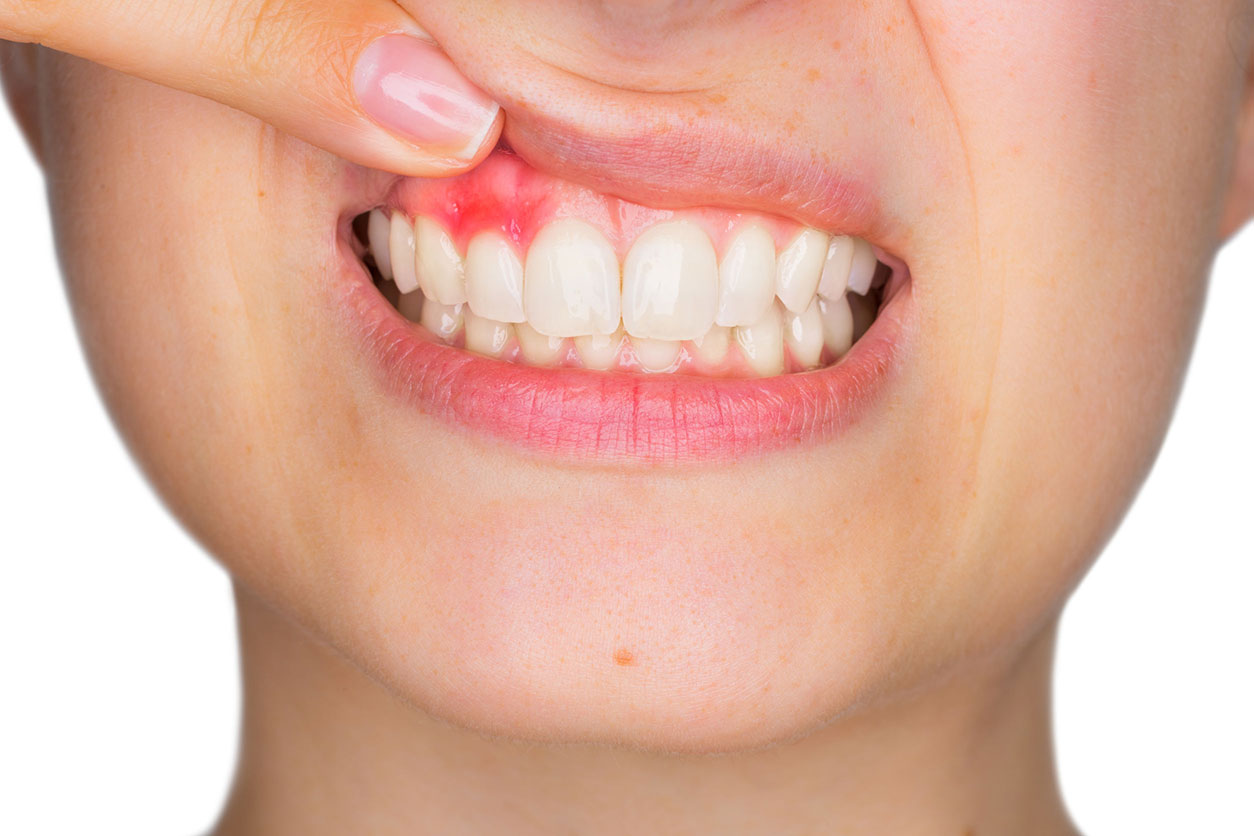
Sudden tooth pain can sometimes occur, leading to discomfort and bleeding gums.
When this happens, it is often necessary to make an emergency appointment with a dentist.
But how do you get treated quickly by a dental practitioner? The first step is to find a dentist willing to see patients in an emergency.
In some cases, it is also possible to visit a dental center or a specialized clinic to receive prompt and effective care.
5 - How are dental emergencies handled?
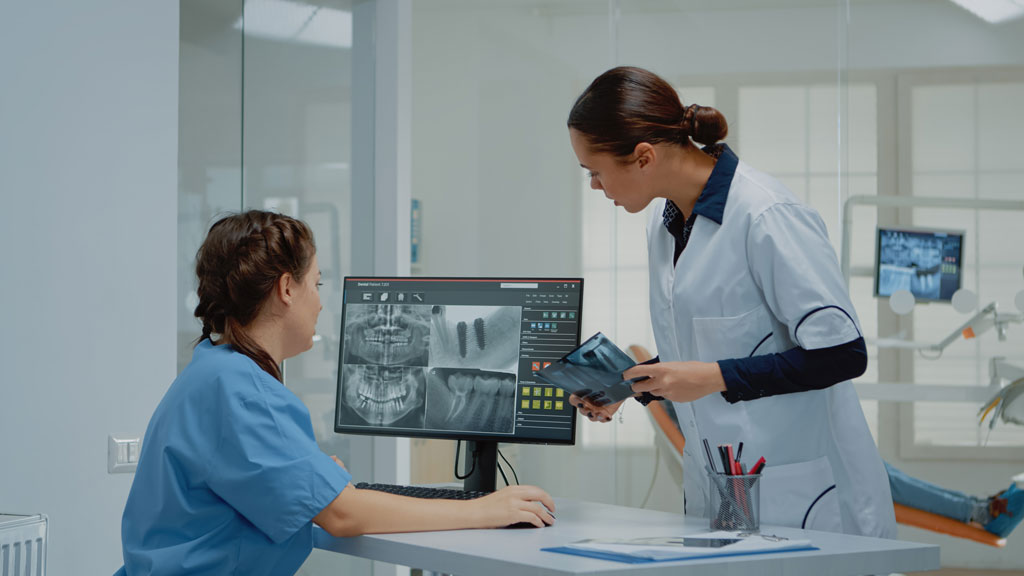
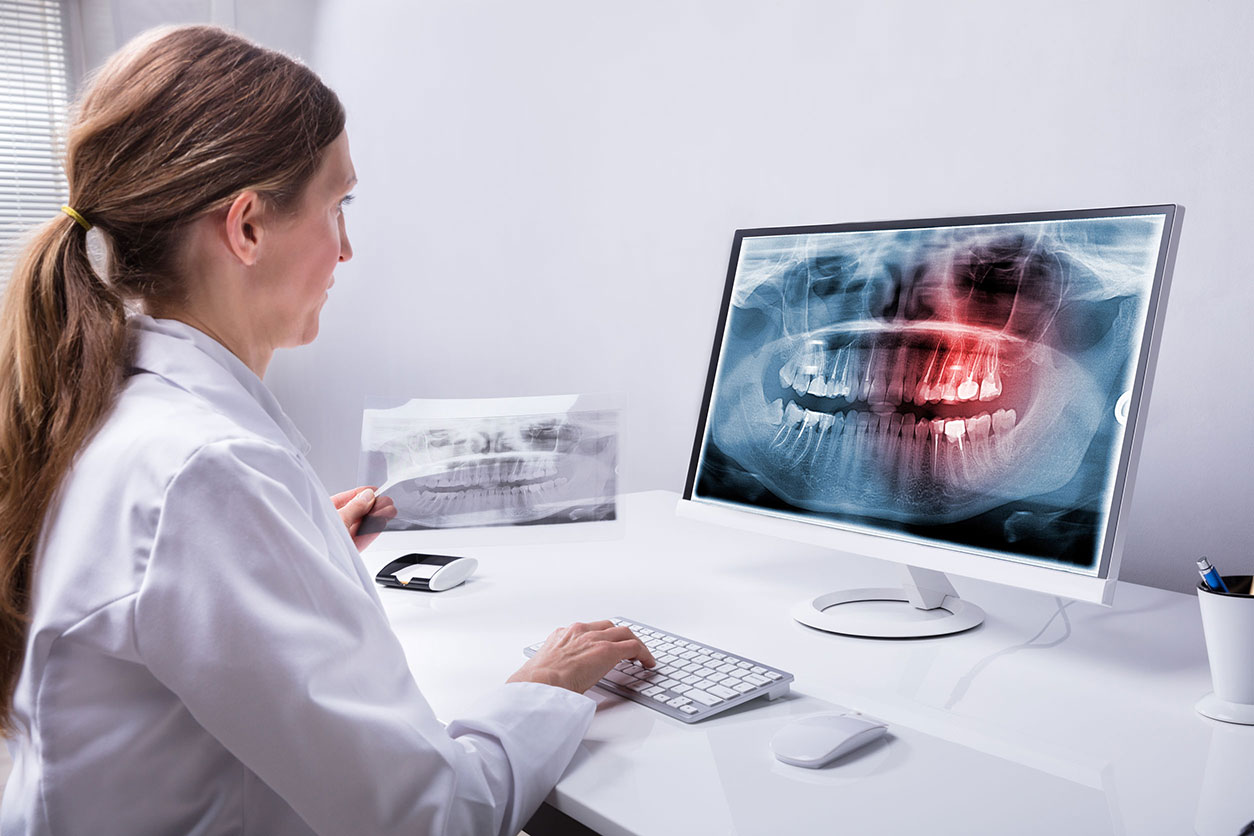
Once you've booked an appointment, it's important to prepare for your visit to the dentist. It's a good idea to gather together all the medical elements relating to the patient's oral health, such as previous treatments, dentures or X-rays.
This preparation will enable the dentist to get a comprehensive overview of the situation and develop a tailored dental treatment plan.
In the event of severe dental pain, it's also advisable to take painkillers to relieve discomfort before an emergency visit to the dentist.
Mouthwash, cold or hot compresses and dental floss can also be used to soothe pain and prevent bleeding gums.
Once you've been to the dentist, it's important to explain everything clearly and precisely.
Symptoms, duration of pain, the existence of inflammation or a dental abscess must be explained in detail to obtain an accurate diagnosis and appropriate dental care.
Caring for dental emergencies at the Centre Dentaire Chêne-Bourg
The Chêne-Bourg Dental Center is able to handle dental emergencies, including on Saturdays, with prompt care.
In the event of a severe toothache, or an accident, our team of dentists is on hand to relieve your dental pain and provide emergency first aid.
From Monday to Friday, dental emergencies are handled at the office by a Dentist. He will adjust his schedule to treat you as quickly as possible. Your treatment will be easier if you call the office as soon as possible.
Dental emergency care on Saturday mornings is provided on a rotating basis—every other Saturday—between the Chêne Bourg and Champel dental centers.
Discover also the Centre Dentaire Lancy and the Centre Dentaire Champel