





















Wisdom tooth extraction and surgery are terms that often come up when oral health becomes a concern. If you’re wondering when to seek care and why you might need a procedure, an appointment at the Chêne-Bourg Dental Center will provide you with personalized answers and reliable support.
Why extract wisdom teeth?
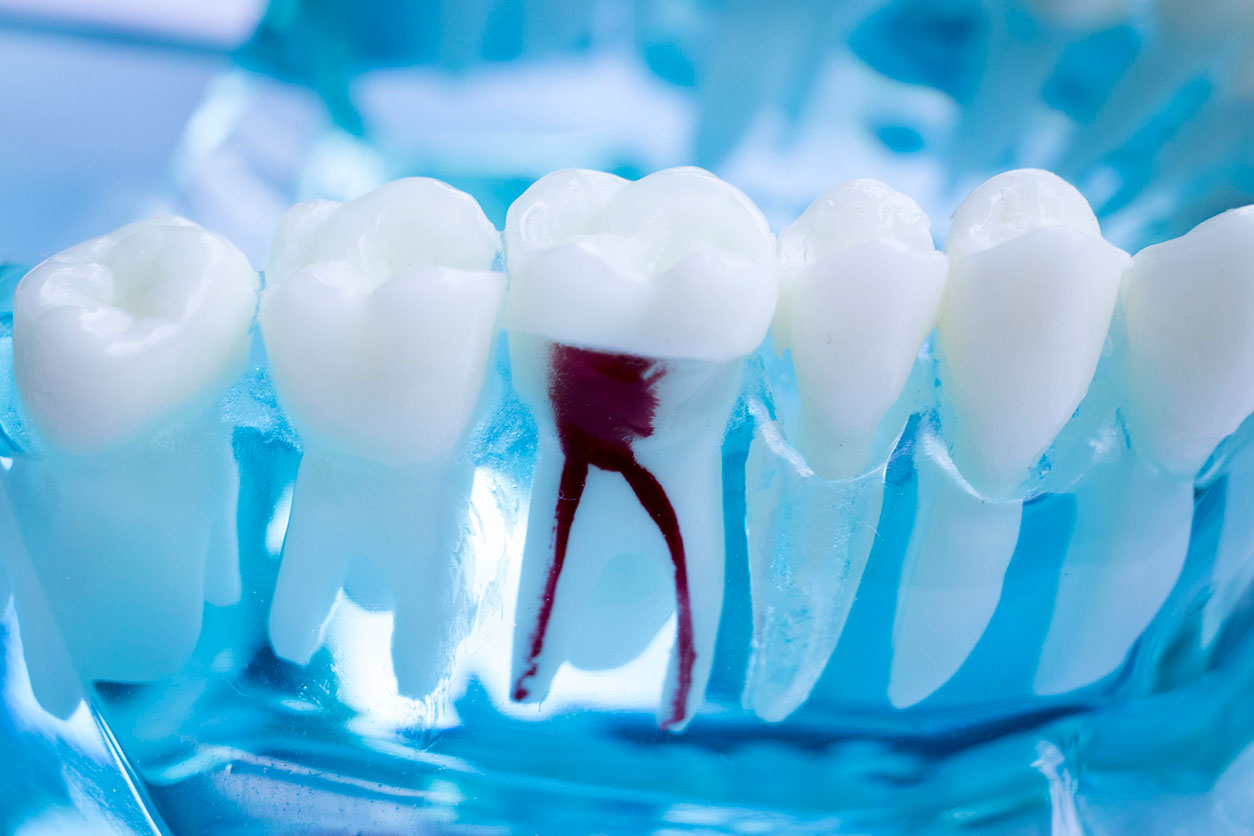
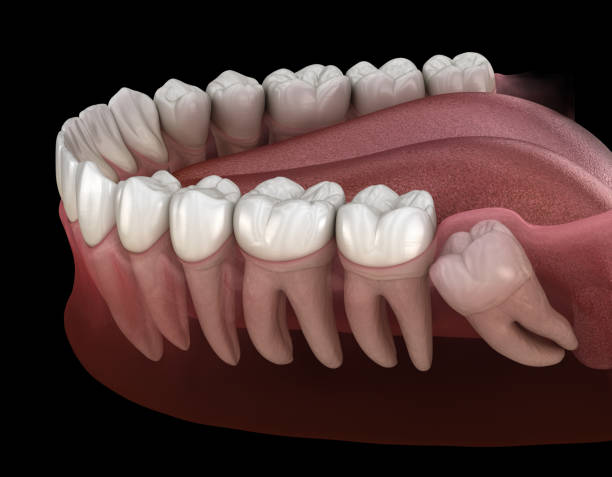
The decision to extract wisdom teethis not automatic; it is based on a clinical and radiological evaluation. These third molars can cause pain and tooth misalignment when there is insufficient space.
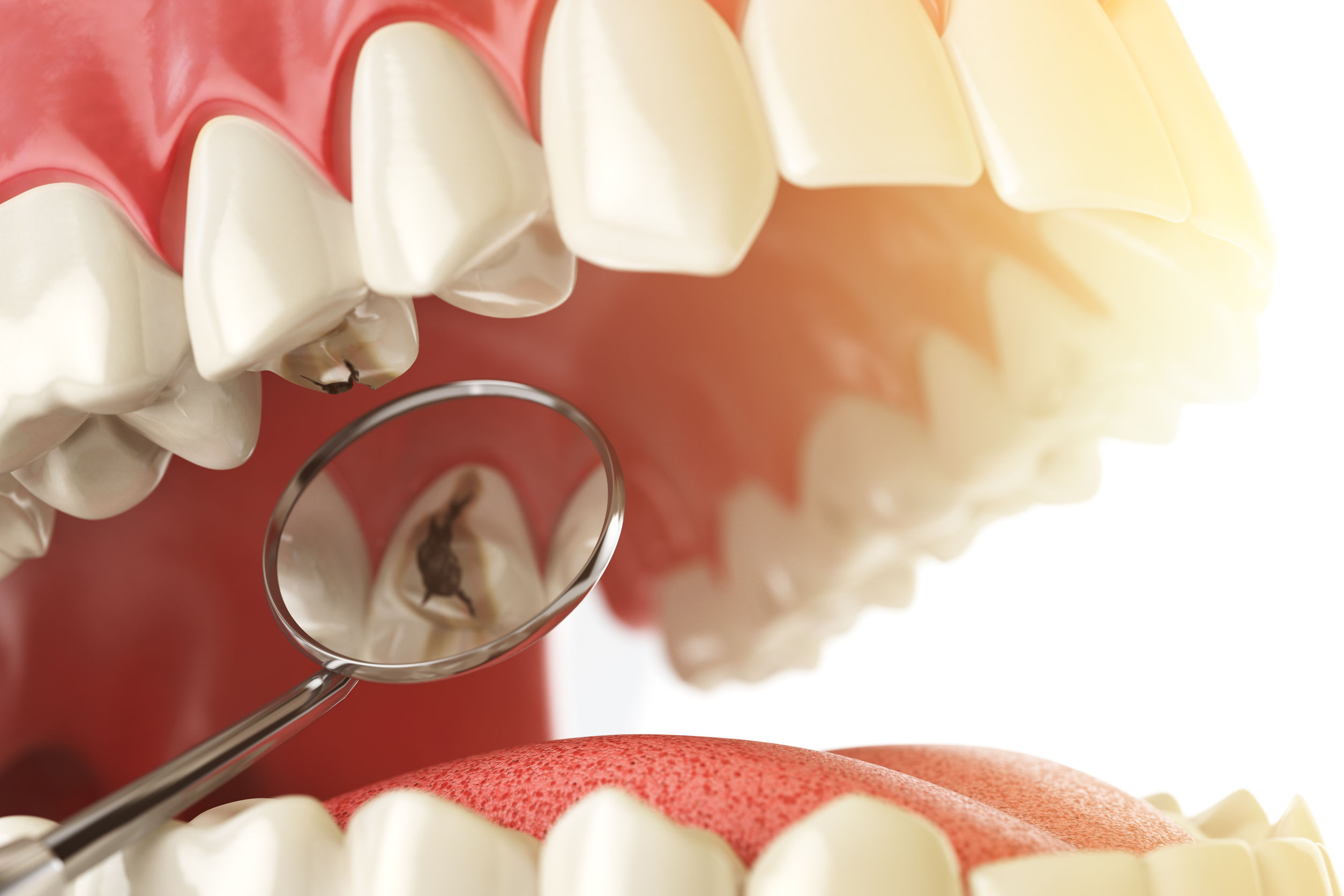
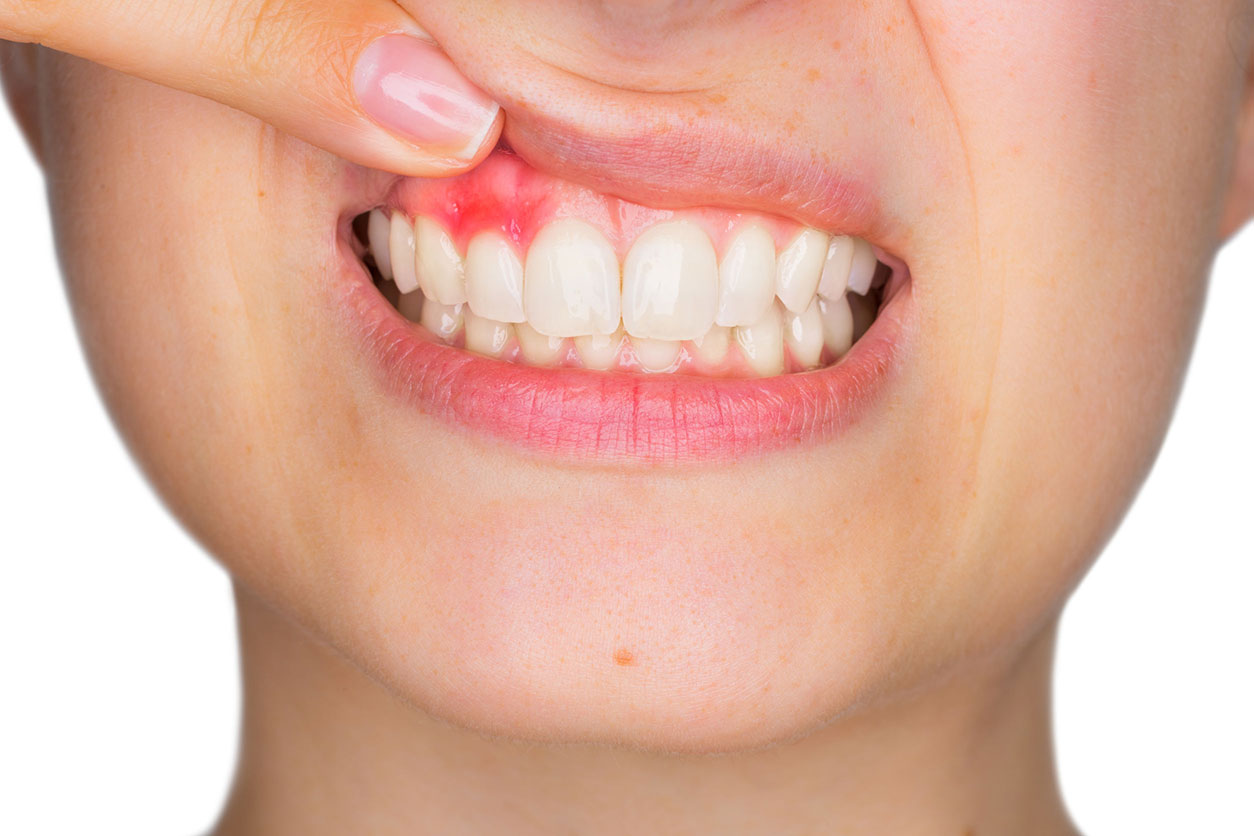
Whether partially or fully impacted, wisdom teeth can lead to local infections and cysts, or develop cavities that are difficult to treat, which often justifies surgical removal to protect oral health.
Medical indications and potential complications
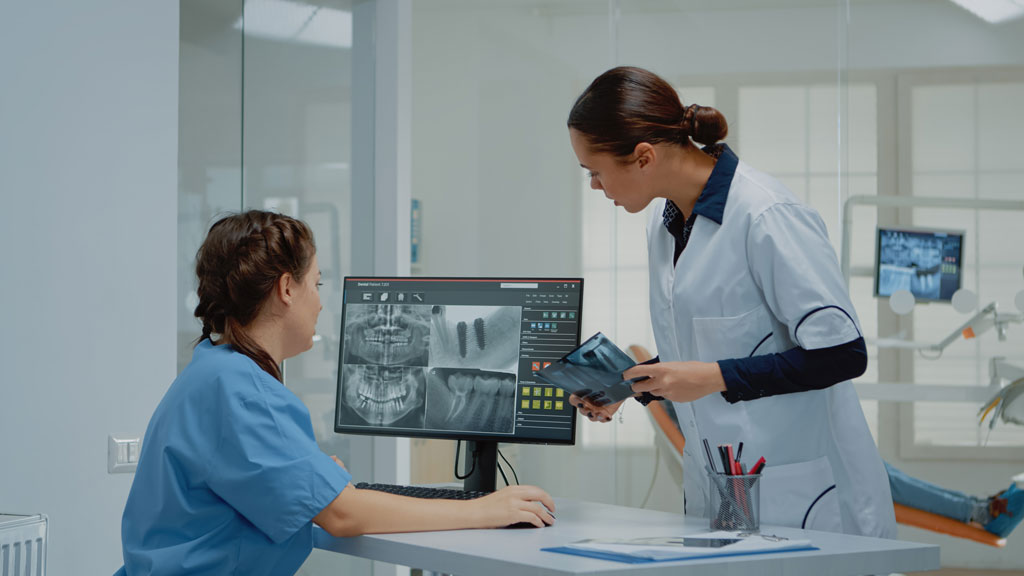
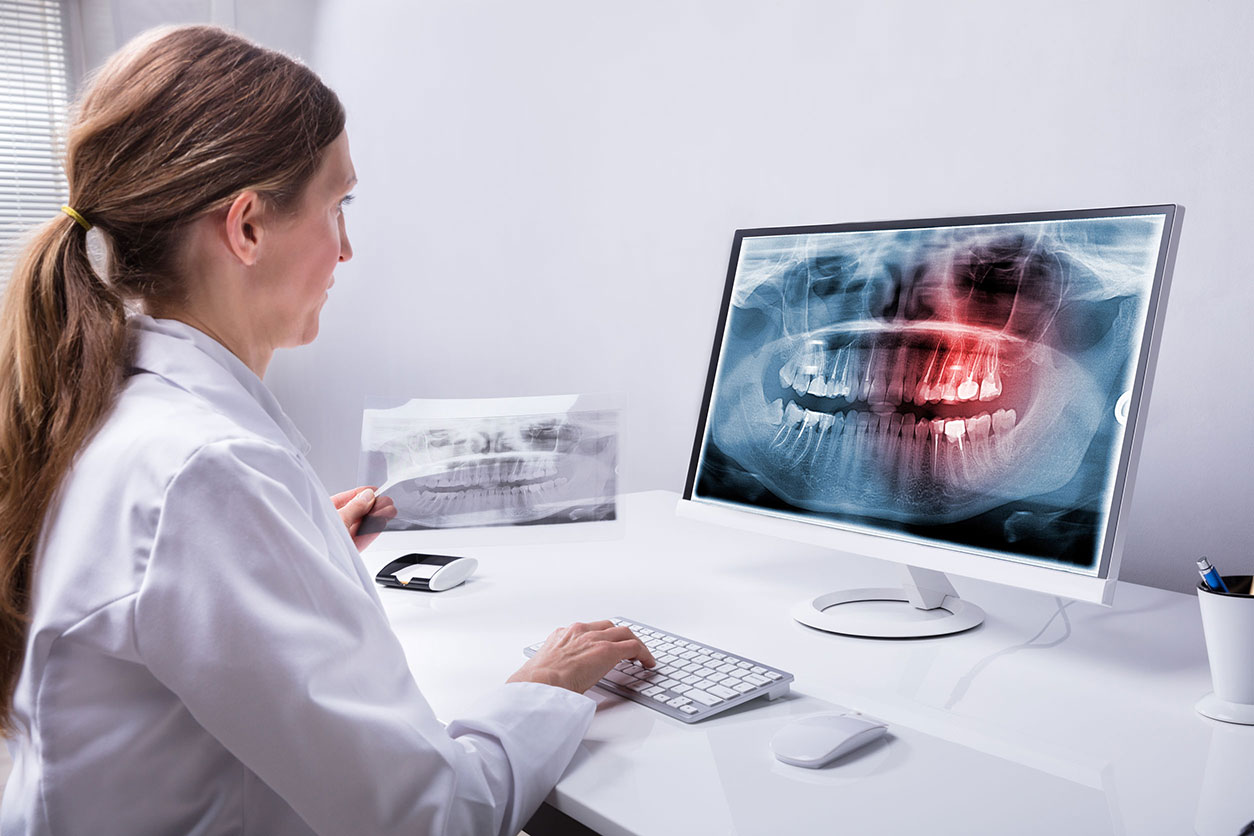
Abnormalities detected through dental imaging (panoramic, 3D) may require extraction: chronic inflammation, recurrent infection, or damage to adjacent teeth. In these cases, maxillofacial surgery becomes necessary to prevent the condition from worsening.
Possible complications include alveolitis, paresthesia, and hemorrhage. Careful preparation and appropriate techniques reduce these risks and facilitate recovery.
Preoperative analysis and number of teeth to be extracted
The number of teeth to be extracted depends on the condition of each molar and the results of the panoramic X-ray or 3D scan performed during the preliminary consultation.
The first step is always a thorough consultation: a clinical examination, an analysis of your symptoms, and a review of your medical history to develop a personalized treatment plan.
How is the surgery performed?
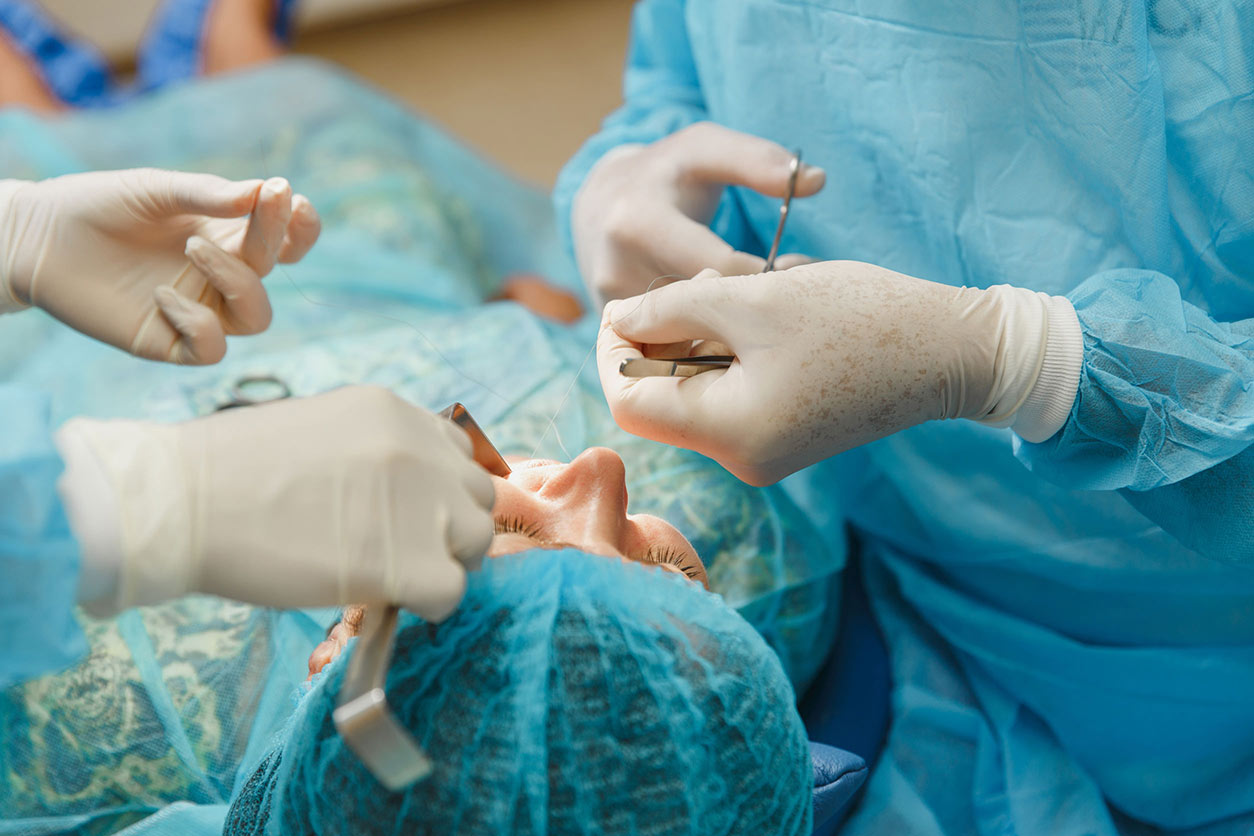
The surgical procedure follows strict protocols to ensure safety and comfort. The type of anesthesia is chosen based on the number of teeth and the complexity of the procedure: local anesthesia, conscious sedation, or general anesthesia may be considered.
The procedure generally lasts between twenty minutes and one hour, depending on the complexity and number of teeth to be extracted. The movements are precise in order to limit post-operative effects.
- Positioning the patient and administering anesthesia
- Gum Incision and Tooth Extraction
- Cleaning and any necessary stitches
- Post-procedural monitoring in the recovery room
The entire treatment is provided by a team trained in maxillofacial surgery who will answer all your questions about the procedure and post-operative care.
Pain management and post-operative follow-up
After extraction, a prescription for painkillers and sometimes antibiotics helps control pain and inflammation. Monitoring allows any complications to be identified quickly.
Specific post-operative advice facilitates healing: soft foods, appropriate mouthwashes, and relative rest for a few days.
Healing time and return to normal
Tissue healing generally takes around ten days. If absorbable stitches have been used, they will dissolve on their own; otherwise, the practitioner will schedule an appointment to remove them during the post-operative check-up.
A clinical check-up scheduled approximately one week after the procedure allows us to verify that everything is progressing well and to adjust your care plan so that you can return to normal with complete peace of mind.
Consultation, X-ray, and choice of dental center
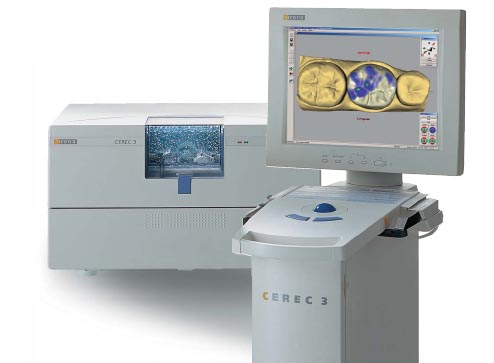
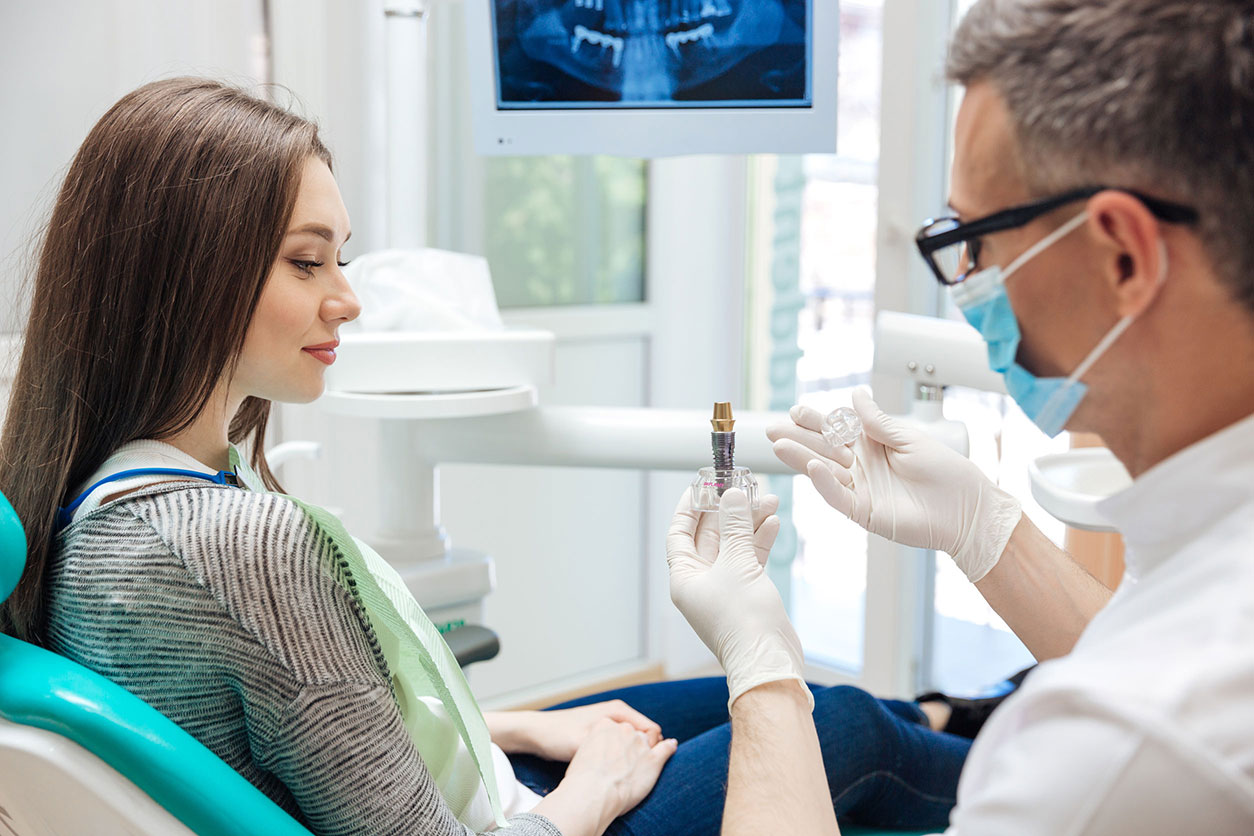
Before making any decision, consult a center equipped to perform dental imaging (panoramic, 3D) and precisely define the surgical indication.
Choosing the right dental practice means prioritizing the expertise of the team, the quality of the welcome, and the technical equipment. Making an appointment at the Chêne-Bourg Dental Center guarantees comprehensive care, from the initial examination to post-operative care.
| Key steps | Description |
| Initial consultation | Clinical analysis, personalized explanations,radiographic examination |
| Dental imaging | Panoramic or 3D scan to visualize all wisdom teeth |
| Establishment of the surgical plan | Anticipating difficulties and adapting techniques according to the number of teeth to be extracted |
| Scheduling surgery appointments | Choosing the date and reminder of instructions to follow before and after the procedure |
| Follow-up after extraction | Check-ups, post-operative advice, management of complications if necessary |
Frequently asked questions about wisdom tooth extraction