






Orthodontics for adolescents: a key time for action
Teenage orthodontics
L’adolescence est une période idéale pour débuter un traitement orthodontique.
Entre 11 et 16 ans, la croissance des mâchoires est encore en cours, ce qui permet d’intervenir de manière plus efficace et durable sur l’alignement des dents et la correction des problèmes d’occlusion.
Early management can not only effectively correct abnormalities, but also limit or even avoid more complex treatments in adulthood.
Orthodontic treatment at this age allows :
- correct misaligned or overlapping teeth,
- guide the harmonious development of the jaws,
- prevent functional disorders (chewing, breathing, speech),
- and improve self-confidence at an important moment in personal development.
Grâce aux solutions modernes, confortables et discrètes (appareils fixes ou aligneurs transparents selon les cas), le traitement s’intègre facilement dans le quotidien des adolescents, à l’école comme dans les activités sportives ou sociales.
Supporting your teenager through orthodontic treatment means more than just giving them a smile: it means giving them every chance of optimal oral health in adulthood.
Why and at what age should a child see an orthodontist?
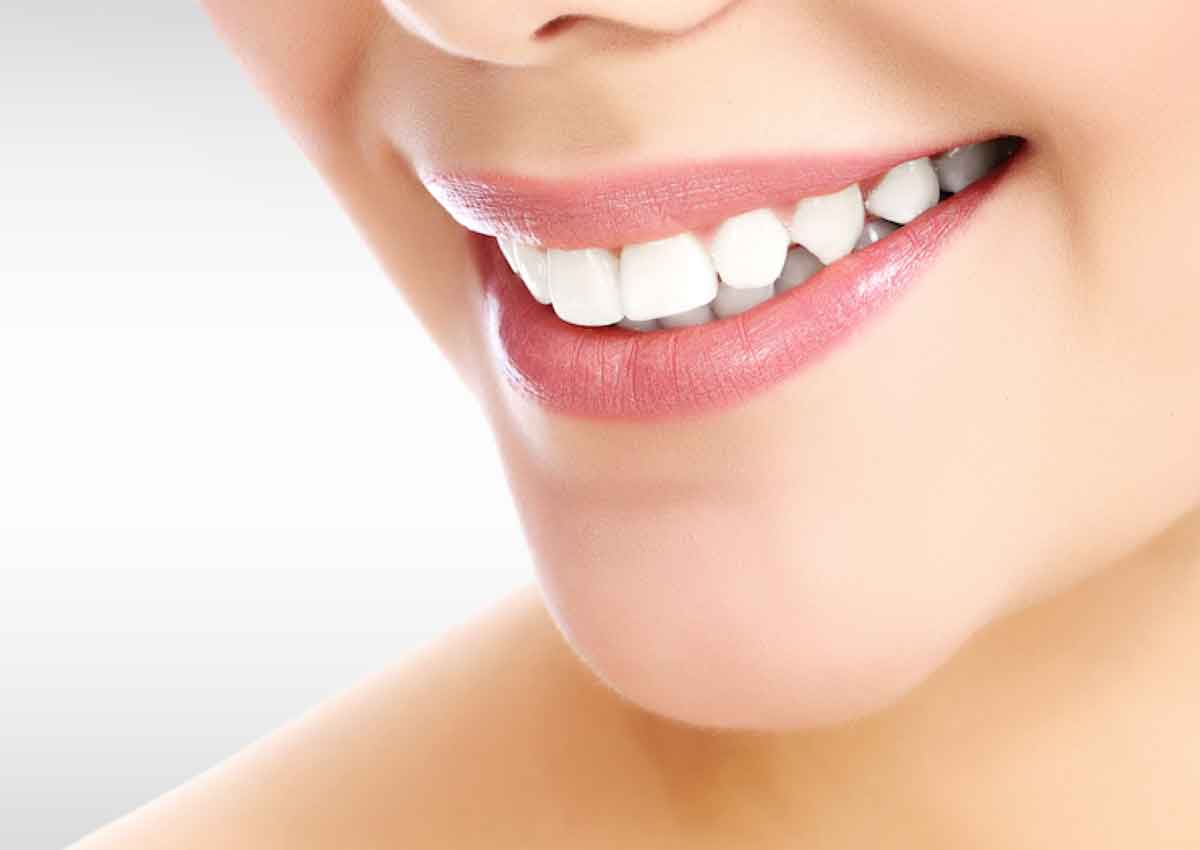
At the Centre Dentaire Chêne-Bourg, we create harmonious smiles.
Notre spécialité : créer un sourire naturel et esthétique, en accord avec la morphologie dentaire et faciale de chaque patient.
An orthodontic dentist can correct all types of dento-maxillary dysmorphosis - from tooth malposition to jaw imbalance. His role is not limited to aligning teeth: he ensures that the result is perfectly integrated into the face as a whole, for a smile that is balanced, functional and harmonious.
Your smile is our business.
Nos solutions thérapeutiques pour les traitements chez l’adolescent
1. Classic devices
VESTIBULAR CONVENTIONAL RINGS (CERAMIC or METALLIC)
Les bagues (ou appareil multi-attache) se composent de petites attaches collées sur les dents (brackets) avec un fil qui les aide à se redresser petit à petit.
Les bagues céramiques, moins visibles que les bagues métalliques, se fondent avec la couleur naturelle des dents, garantissant un traitement plus discret.
CLASS 2 ACTIVATOR (CARRIER type)
This is an orthodontic appliance used to correct Class 2 malocclusions, i.e. when the upper jaw (maxilla) is too far forward in relation to the lower jaw (mandible), or the lower jaw is too far back. It's a small, fixed appliance placed on the side of the upper molars and canines, combined with a splint on the lower jaw and intra-oral elastics. It is often used at the start of treatment, before a full appliance (such as braces or aligners) is fitted.
DISCONNECTOR
C’est un appareil fixé au palais qu’on utilise pour élargir la mâchoire du haut quand elle est trop étroite. La phase d’activation (où on tourne la vis) dure environ 2 à 3 semaines.
Ensuite, on laisse l’appareil en place quelques mois pour stabiliser la nouvelle largeur de la mâchoire.
In adolescence, the circuit-breaker often precedes the installation of a multi-attachment appliance (braces).
2. Invisible orthodontics
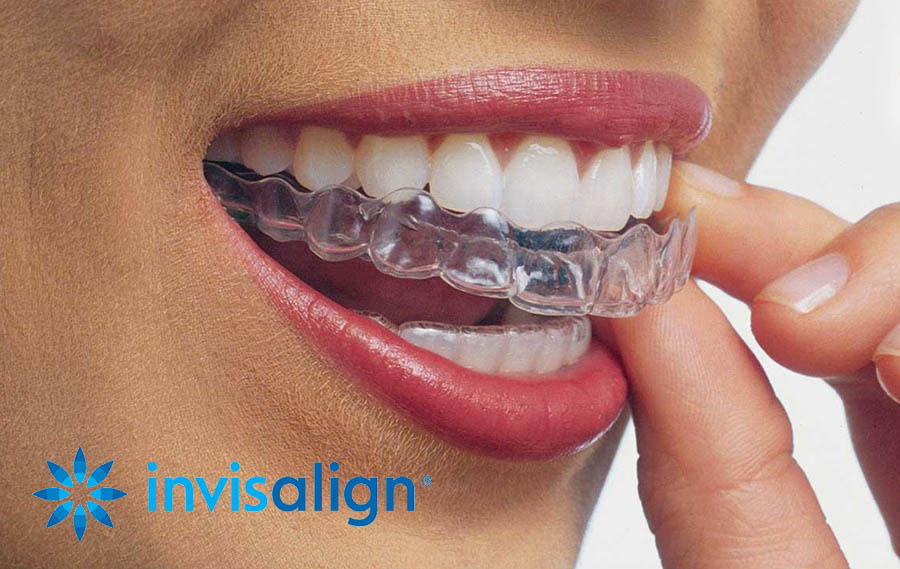
TRANSPARENT ALIGNORS (Invisalign type)
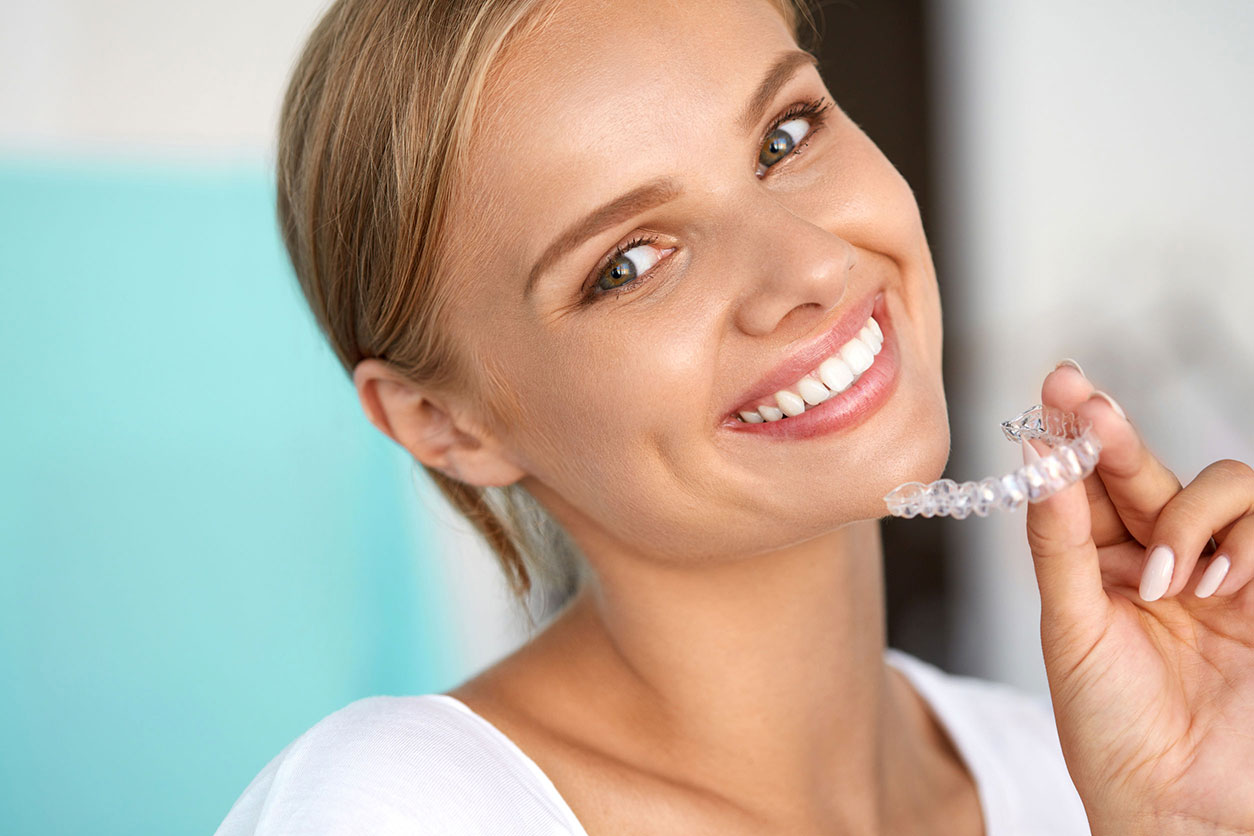
Les gouttières Invisalign (aligneurs) sont une alternative discrète aux appareils traditionnels. Confortables et amovibles, elles permettent de corriger l’alignement des dents sans contraintes esthétiques. Les aligneurs sont des gouttières transparentes qu’on porte sur les dents pour les aligner progressivement.
LINGUAL ORTHODONTICS
Unlike conventional (vestibular) braces, lingual braces are made up of brackets fixed to the inside of the teeth, offering effective correction while remaining invisible.
CALL US!
+41 22 870 94 94
Chêne-Bourg Dental Center
Excellence at the service of your smile