







Acquire good oral hygiene reflexes
Dental hygienist

Clean teeth are very important for children and teenagers. Anyone who pays attention to dental hygiene from an early age can avoid negative consequences for their future.
Childhood and then adolescence are essential periods to acquire good oral hygiene reflexes.
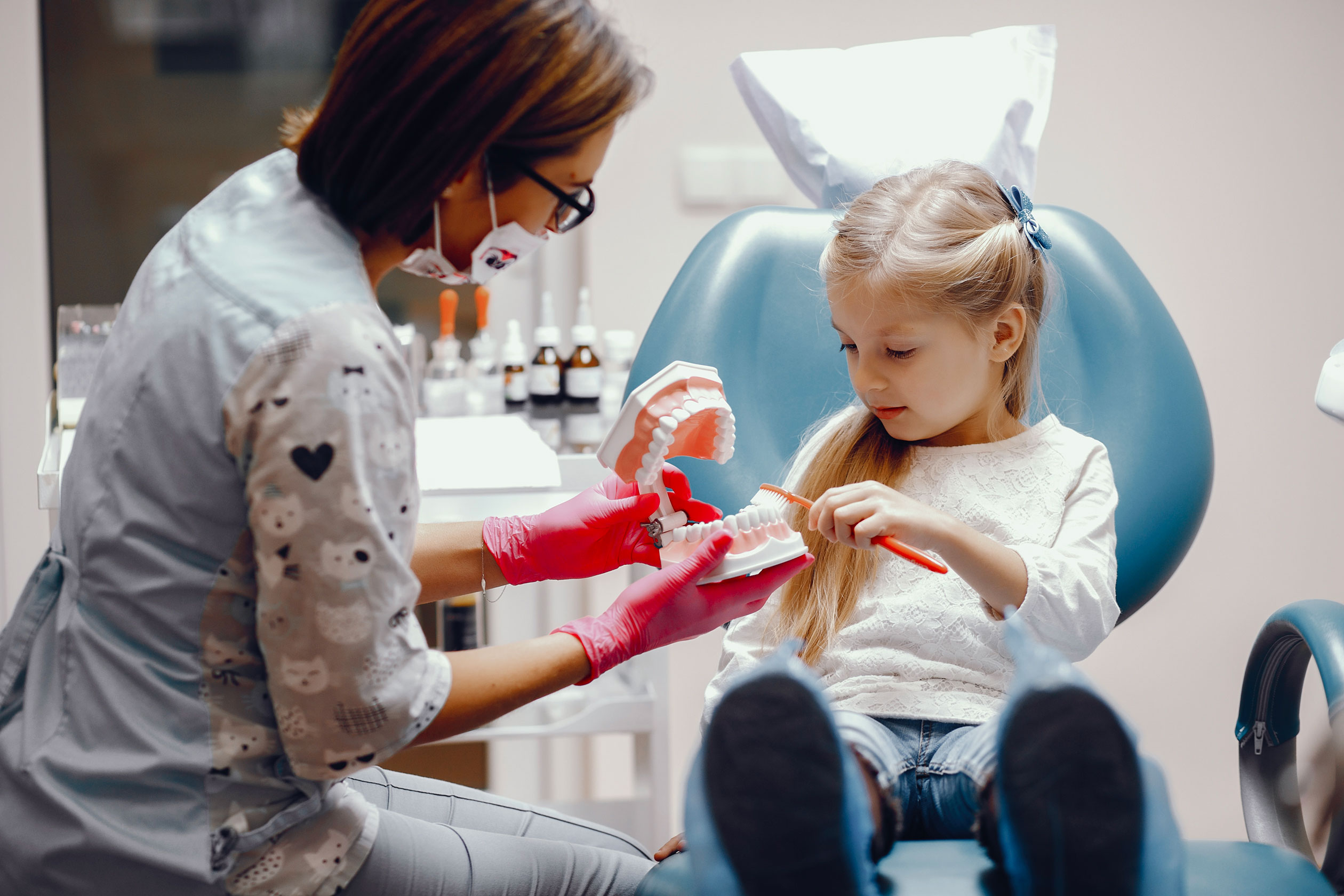
From the age of 1, it is not too early to start good habits. At this age, children love to imitate their parents and will enjoy brushing their teeth, guided by their parents. From the age of 4, children learn to brush their teeth by themselves under parental supervision. Toothpaste should be used from the age of 2 years. Indeed, before this age, the child does not know how to spit out well and therefore has a tendency to swallow toothpaste.
Why do baby teeth need to be cared for?
Milk teeth must be taken care of because they are essential to the development of later teeth and even to the growth of the child. Although they will fall out, their good health conditions those of the permanent teeth.
It is therefore important to make regular appointments from an early age.
When should I make an appointment?
Atthe Chêne-Bourg Dental Center, our goal is to build a relationship of trust with your child so that they understand how to take care of their oral health.
Not only does our approach allow every child to grow up with a healthy mouth, but also to maintain good dental hygiene until adulthood with the right advice.
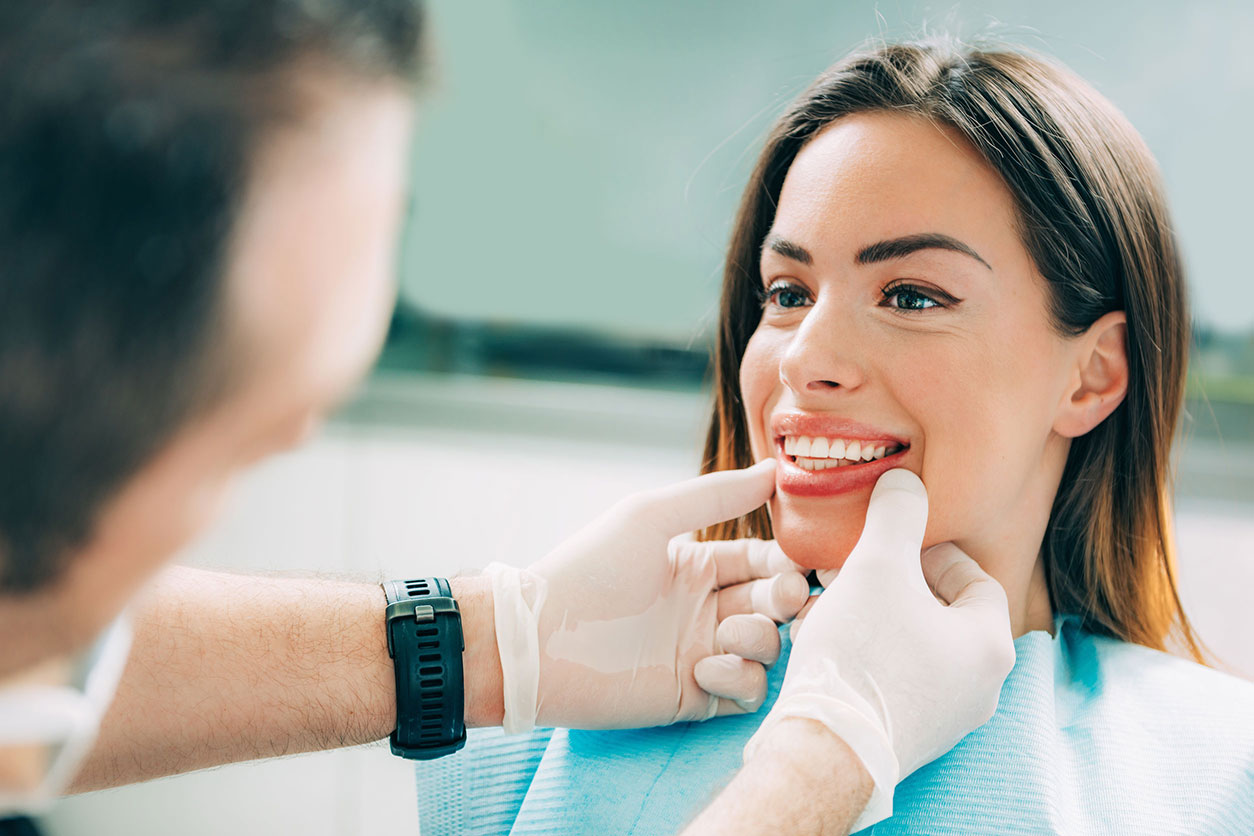
A consultation as early as the formation of baby teeth at the age of 3 years is important in order to do a check-up but also so that your child discovers the world of dentists gently and painlessly.
These visits allow us to detect potential cavities and other dental issues, so that early treatment can be considered to minimize long-term consequences (such as orthodontic treatment).Wealso provide advice on daily dental care (including the right type of toothpaste and toothbrush, brushing techniques, and interdental cleaning tools) and answer any questions you may have.
The hygienist will then scrape and polish your child's teeth to remove plaque, tartar and discoloration.
Descaling
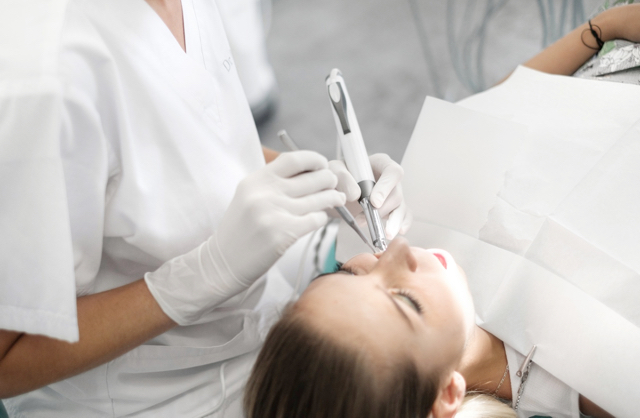
involves the removal, using ultrasonic or manual methods, of tartar that builds up on the teeth. In cases of tooth sensitivity, local anesthesia may be administered to make the procedure gentle and comfortable.
Polishing
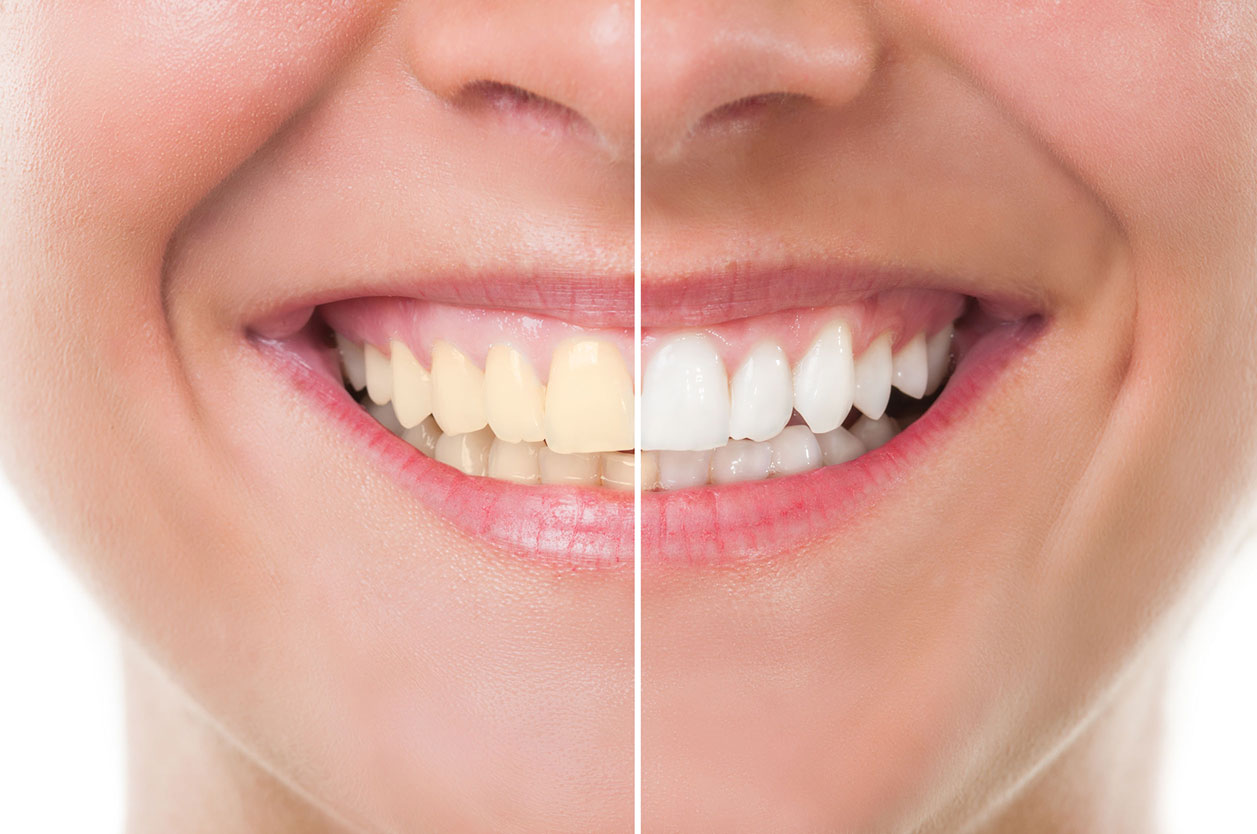
makes the surface of your teeth smoother, which slows down the buildup of tartar. It removes surface stains from coffee or tobacco, so you can enjoy white teeth and a dazzling smile.
Fluorination
remineralizes tooth enamel and helps prevent cavities. For your comfort, it also reduces any temporary tooth sensitivity that may occur after scaling.
Why is she important to your health?
Dental Hygiene
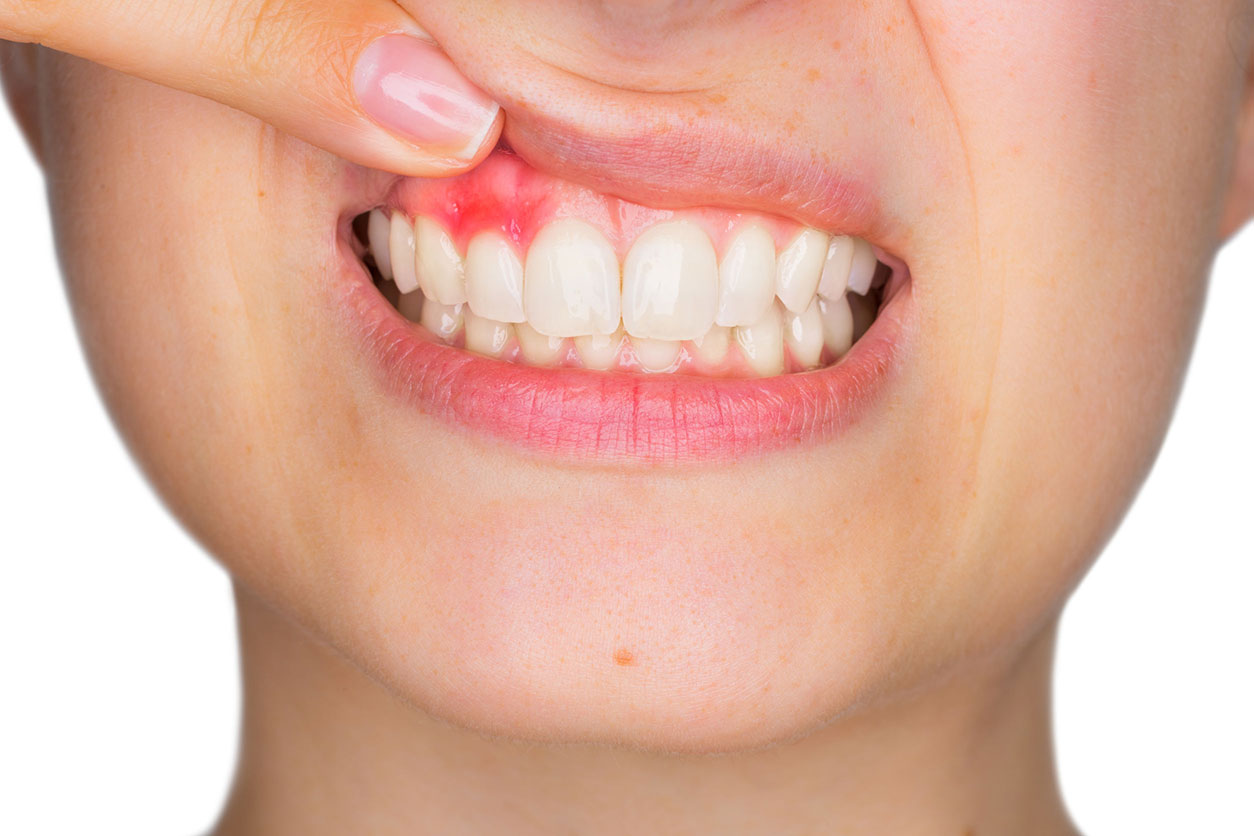
Removing dental plaque helps prevent periodontal disease. Bacteria are responsible for gum irritation, known as gingivitis. The gums become red,swollen, or ulcerated. They bleed profusely at the slightest mechanical stimulation from a toothbrush, interdental brushes, or dental floss. Caused by bacteria beneath the gums, this condition can progress to periodontitis, leading to loose teeth due to bone loss, and eventually tooth loss.
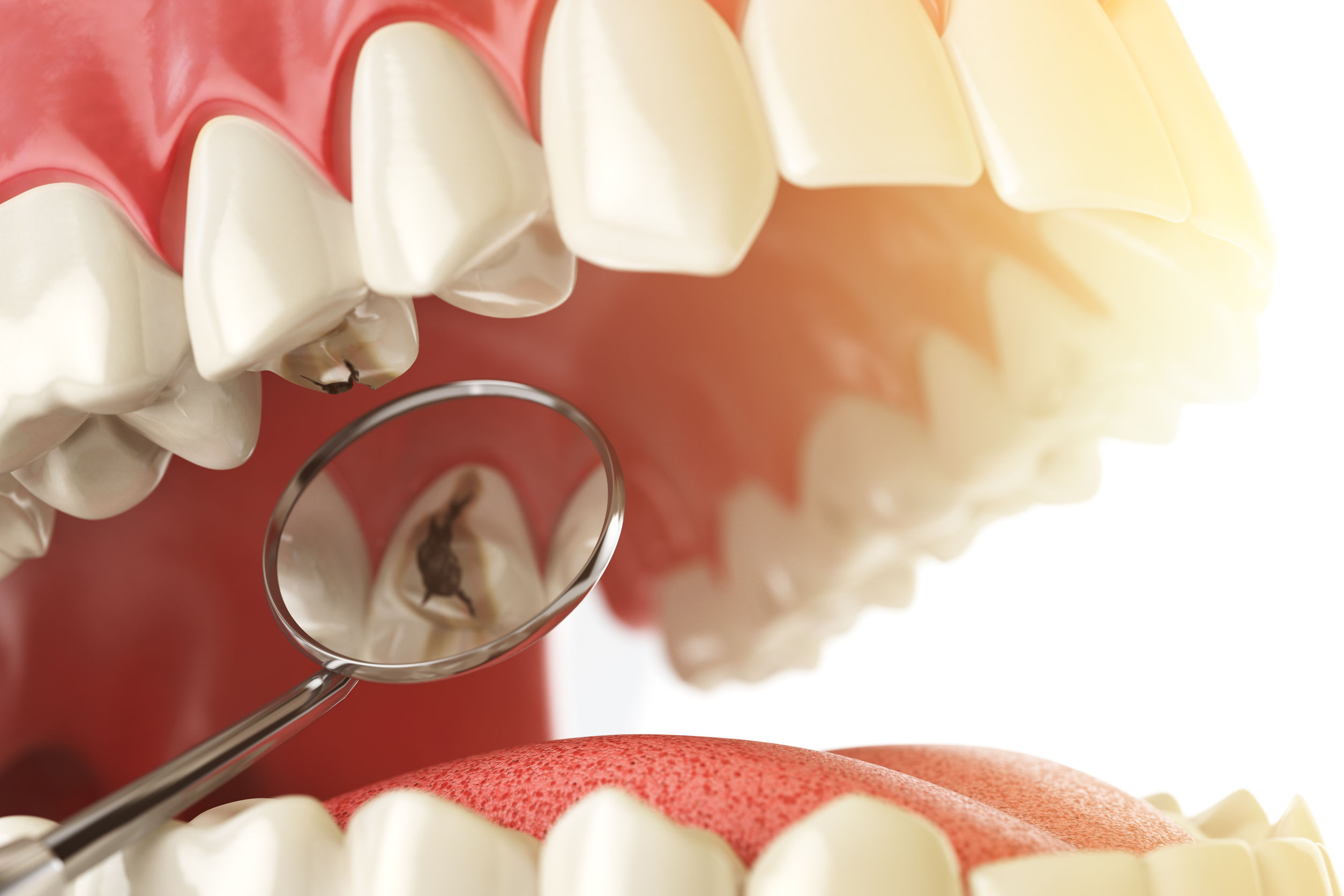
In addition, a number of bacteria present in dental plaque convert sugars into lactic acid. The action of this acid on the dental enamel leads to a demineralisation of the tooth and the appearance of a cavity: caries. Dental tartar, which consists of mineralized dental plaque, can no longer be removed by simple brushing. It has to be removed at the dentist by scaling.
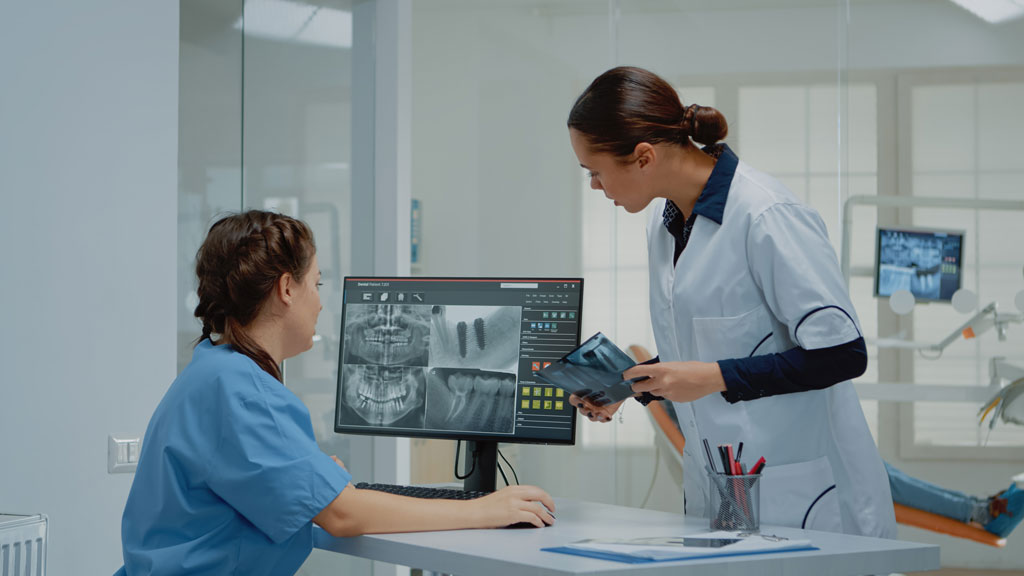
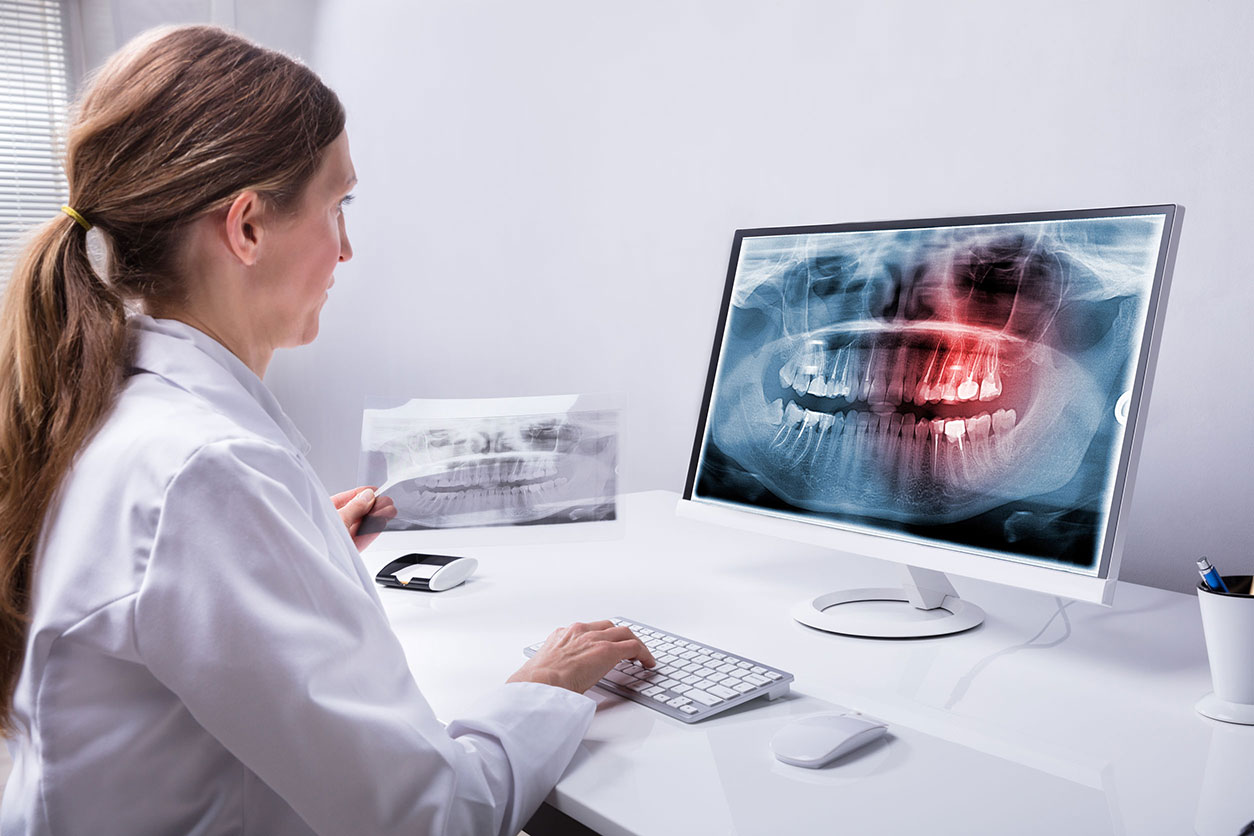
To avoid gum problems or cavities, the dental hygienist will remove the above and below the gum line (scaling), polish and fluoride your teeth and screen for dental problems if necessary (x-rays). It also customizes the instructions for a good brushing technique at home, as well as the means of interdental cleaning. The hygienist thus contributes for your well-being to the prevention of periodontal and carious diseases.
Descaling
step 1
Descaling is the removal of this scale by ultrasonic or manual means. In case of dental hypersensitivity, local anaesthesia can be used to make the procedure gentle and pleasant.
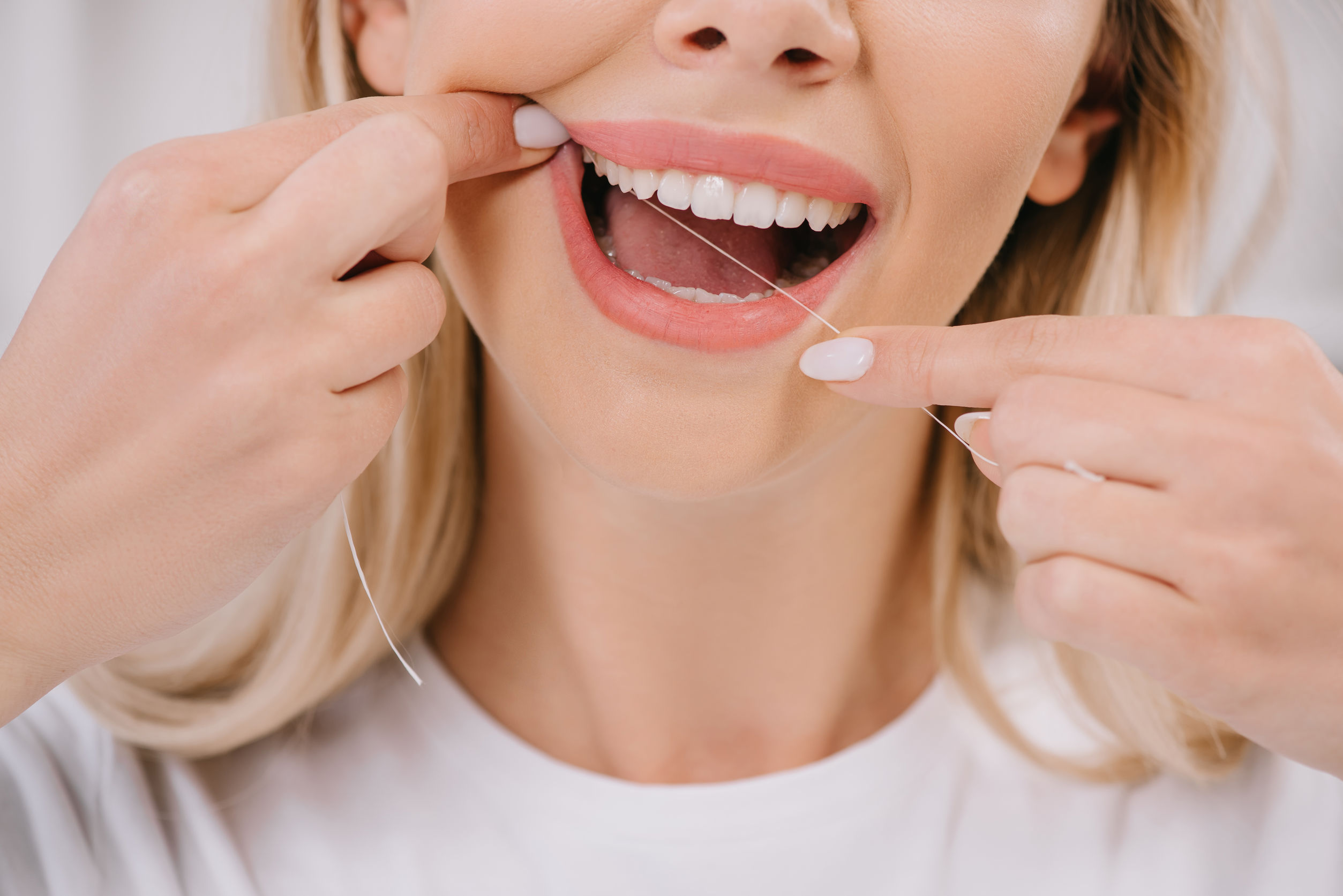
Oral hygiene instruction involves showing you which brushing technique is best suited to your needs. We’ll advise you on the best type of toothbrush for you: manual, electric, or ultrasonic. But brushing alone isn’t enough. The dental hygienist will also instruct you on the use of auxiliary tools: dental floss, interdental brushes, mouthwash, etc.
Hygiene Guidelines
stage 2
Polishing
step 3
Polishing smooths the surface of your teeth, which slows down the buildup of tartar. It also removes surface stains caused by coffee or tobacco. You’ll be delighted to rediscover the charm of white teeth and a radiant smile.
Fluoridation remineralizes tooth enamel and helps to prevent caries. For your comfort, it also reduces any temporary tooth sensitivity that may occur after scaling.
Fluorination
step 4
CALL US!
+41 22 870 94 94
Chêne-Bourg Dental Center
Excellence at the service of your smile