







When it comes to ensuring the healthy development of a child’s smile, one question often comes up: At what age should you consider scheduling a first visit to the orthodontist? Many parents are unsure about the right time to make an appointment, wondering whether a visit is really necessary before adolescence or if it’s better to wait until all the permanent teeth have come in. However, pediatric orthodontics has never been more accessible, and prevention often plays a key role in avoiding more extensive treatments later on.
Far from being limited to teenagers, early orthodontic treatment can offer real benefits, allowing for the rapid correction of certain dental misalignments or ensuring that jaw growth proceeds normally. The success of treatment often depends on the timing of that first visit with the orthodontist, which is why it’s important not to wait too long.
The Importance of an Early Orthodontic Consultation
Parents often believe that an orthodontic checkup is only necessary for children once all their permanent teeth have come in. However, as soon as the first signs of misalignment appear, or if there are concerns about how the jaws close, a visit to the orthodontist is an essential step.
Seeking early consultation allows for the rapid identification of any specific needs. Sometimes, waiting until the permanent teeth have fully erupted can make it more difficult to correct certain problems that could have been treated more easily during the transition phase between baby teeth and permanent teeth. An early diagnosis often offers more treatment options and makes orthodontic treatment easier.
At what age should a child have their first orthodontic appointment?
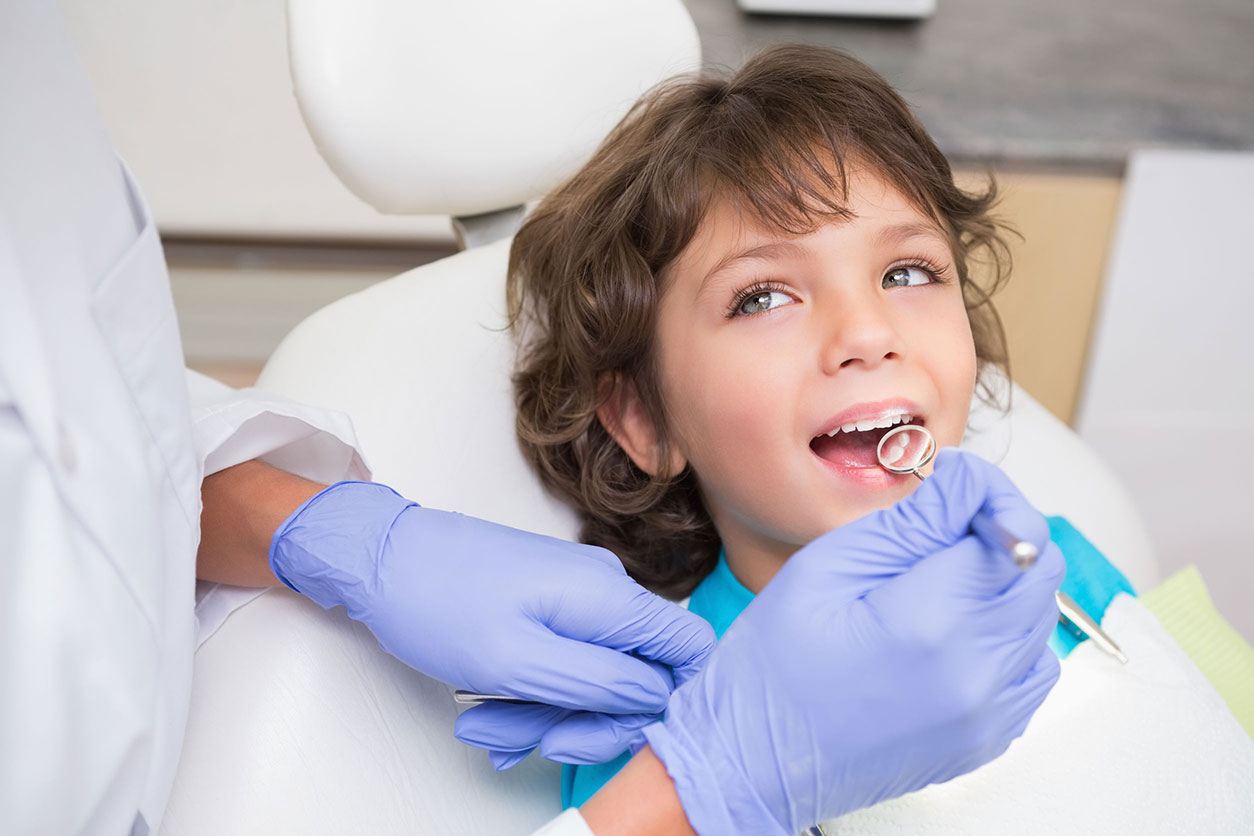
Most specialists recommend scheduling the first dental checkup around age 7, even if the child has not yet reported any specific problems with their teeth. This milestone generally coincides with the period when both baby teeth and the first permanent teeth are present.
Monitoring the mouth during this transitional phase is extremely helpful in anticipating and responding quickly if jaw imbalances or early signs of misaligned teeth are detected. Professionals can then decide whether or not to recommend orthodontic appliances appropriate for the child’s age, thereby maximizing the chances of achieving ideal alignment in the long term.
Why not wait until adolescence?
Although orthodontic treatment for adolescents remains common, numerous studies show that early treatment of certain conditions can reduce the duration—and sometimes the complexity—of future corrections. When growth is not yet complete, orthodontic appliances often work more quickly and are less invasive. Thus, waiting too long to intervene can sometimes preclude treatment options that are made easier by the flexibility of young tissues.
A checkup at age 7 does not always lead to the immediate start of early orthodontic treatment. Above all, it provides an opportunity to monitor development and intervene only if necessary. This regular monitoring therefore ensures that any major issues are not overlooked.
Warning Signs to Watch For
Certain behaviors or observations should prompt you to schedule an appointment with a specialist:
• Misaligned teeth when the mouth is closed
• Early or late loss of baby teeth
• Jaws that move forward or backward during chewing
• Large gaps or visible overlapping teeth
• Persistent habits such as thumb-sucking
In all these cases, a professional evaluation will help determine whether or not a special orthodontic appliance is needed to ensure the child’s mouth develops properly.

What to Expect During an Orthodontic Consultation for Children
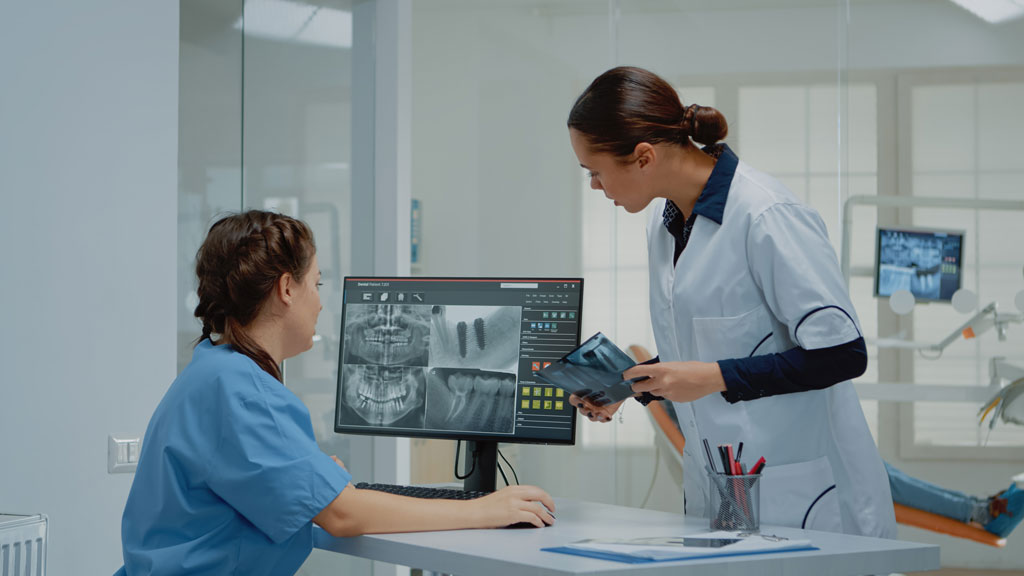
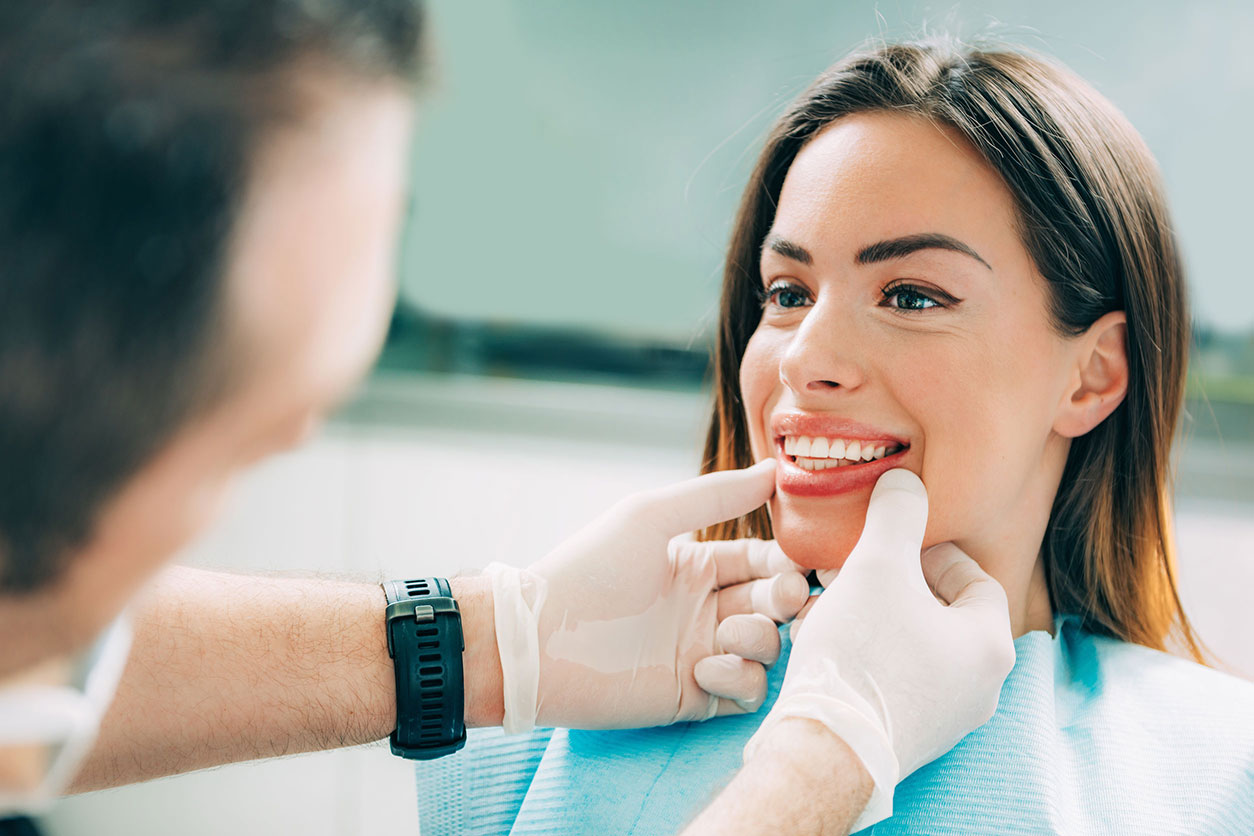
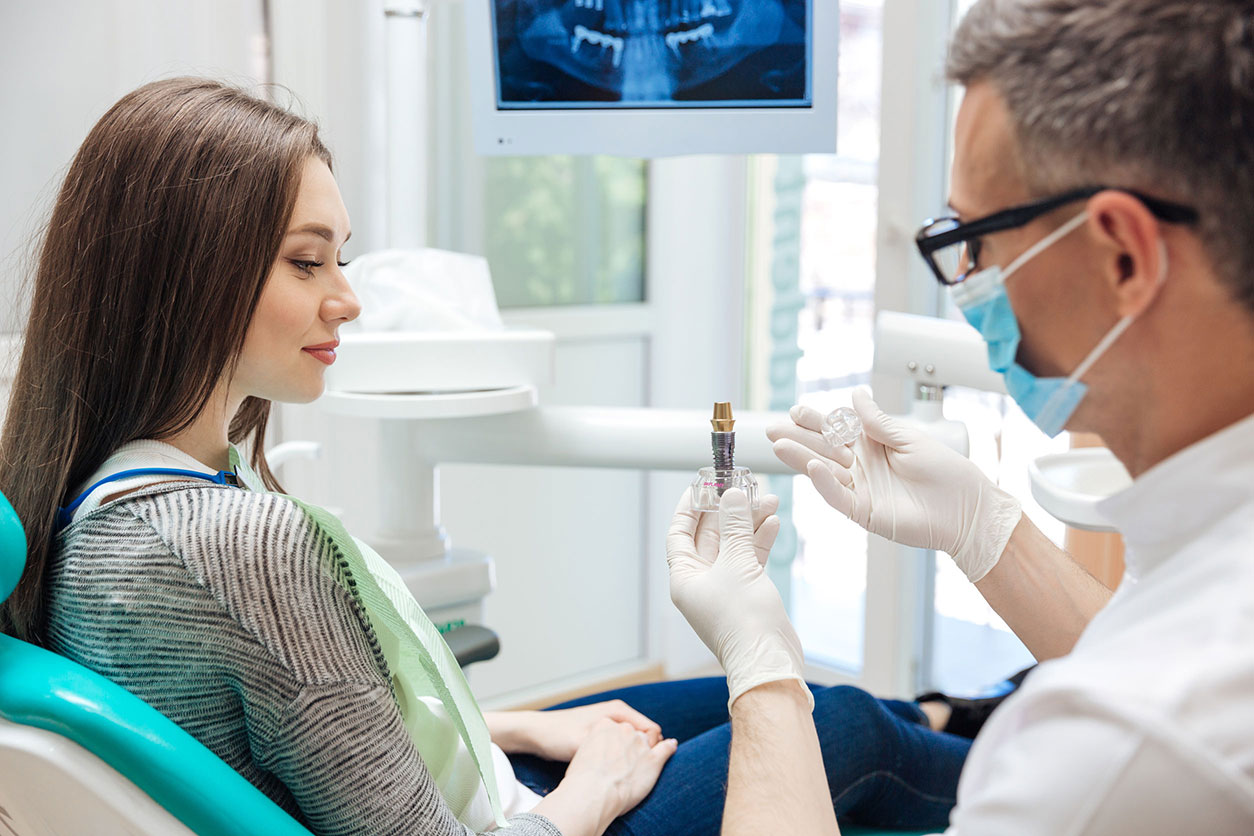
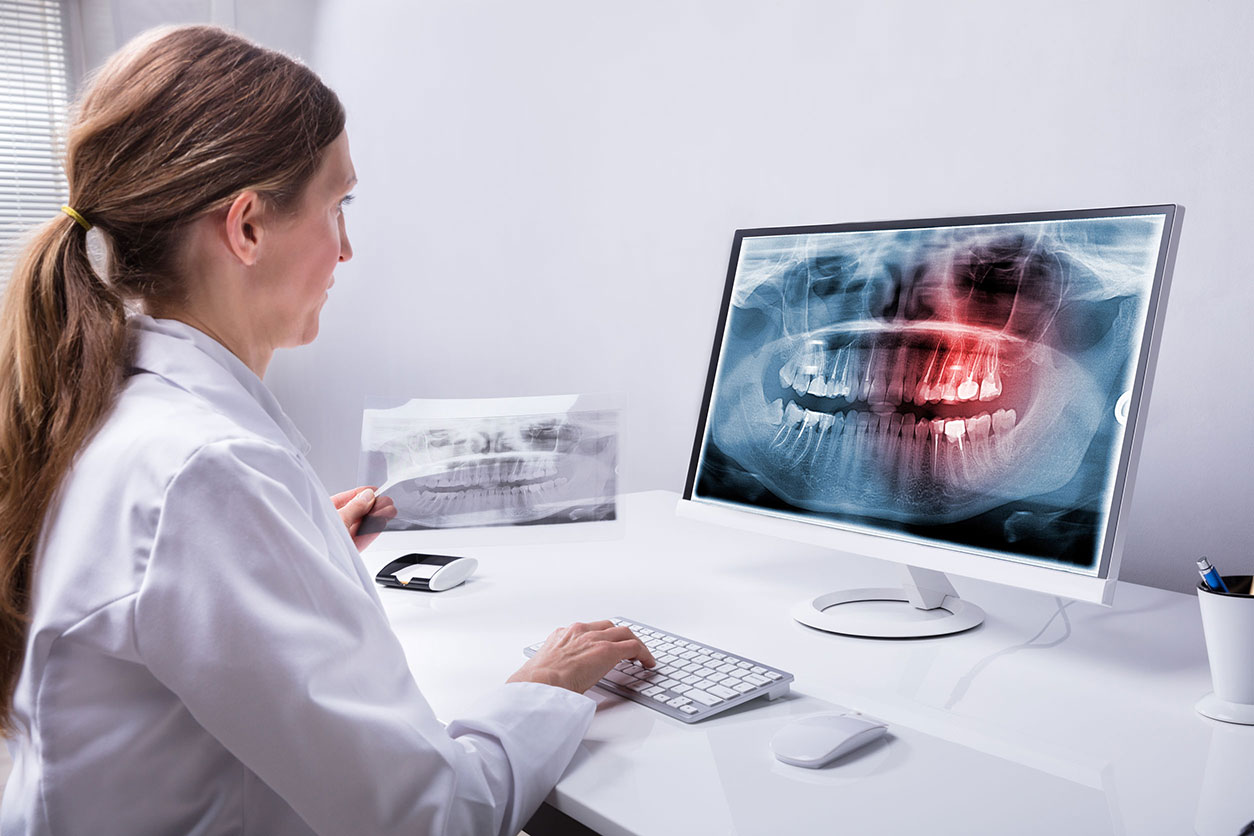
During the first visit, the orthodontist conducts a thorough clinical examination to assess the teeth, the relationship between the jaws, and the available space for the permanent teeth that will eventually come in. Various types of X-rays may be ordered to accurately assess the condition of the facial skeleton and plan for any necessary tooth movements.
The consultation always includes personalized advice, particularly regarding oral hygiene, the care of any orthodontic appliances, and managing oral habits. The involvement of the child and parents in following through with the treatment is key to the final outcome of orthodontic treatment.
When Is Early Orthodontic Treatment Beneficial? ?
Not all children seen around age 7 require early orthodontic treatment. In some cases, it is preferable to simply monitor their development periodically, while intervening as soon as an abnormality causes long-term problems with tooth alignment or overall oral health.
However, there are several typical cases that call for swift action, such as:
- Significant Visible Misalignments
- Jaws that grow at different rates
- Insufficient space for the permanent teeth
- Problems with speech or eating caused by the alignment of the teeth
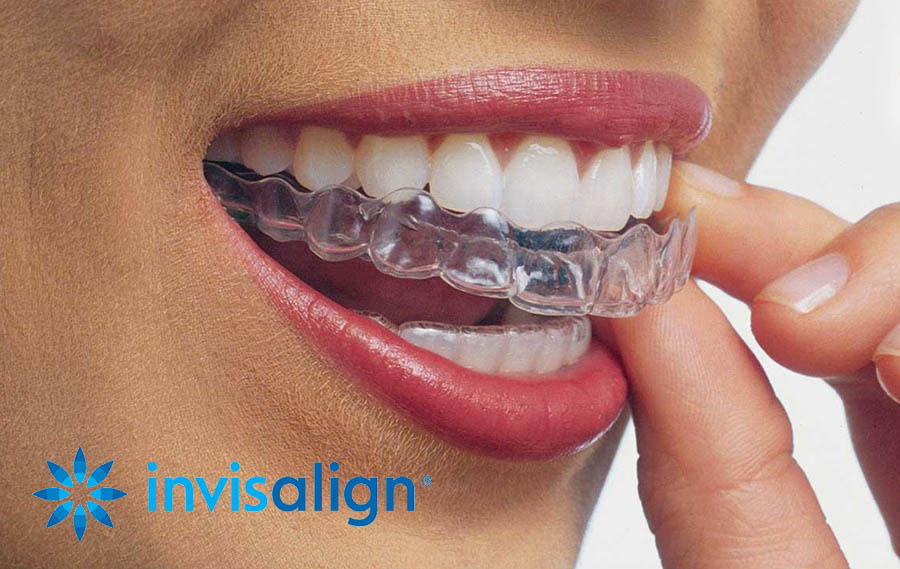
In this context, various types of dental appliances are available to influence bone growth, realign teeth, or lay the groundwork for future orthodontic treatment in adolescents or even adults.
Orthodontics for Teens and Adults : How Does It Differ from Orthodontics for Children? ?
While many children wear braces, orthodontics is not limited to young people. For teenagers, treatment is often aimed at finalizing tooth alignment after the permanent teeth have come in, whereas for adults, it is primarily a matter of correcting problems that were left untreated or have recently developed.
The challenges vary, since bone flexibility decreases with age, making certain procedures more complex or time-consuming. This is why treatment during childhood generally yields better results, particularly for significant malformations detected early.
Frequently Asked Questions About Orthodontics for Children