












Among the various dental procedures, wisdom tooth extraction can be considered one of the most complex. In fact, specialists face a number of challenges when extracting wisdom teeth, such as impacted teeth, wisdom teeth that do not erupt, and many other circumstances.
To ensure that your wisdom tooth extraction is as quick and comfortable as possible, keep these 5 tips and things to know in mind.
What you need to know about wisdom teeth extraction
1 - What is a wisdom tooth?
Wisdom teeth, also known as third molars, are the last teeth to erupt in the mouth. However, they can often cause problems when there isn’t enough space for them to develop properly. In such cases, wisdom tooth extraction may be recommended.
2 - When should wisdom teeth be extracted?
Wisdom teeth are usually removed in young adults, when they start to cause problems. The ideal timing can vary from person to person, but in many cases, extraction is recommended during the teenage years or early twenties. However, this will depend on each individual's specific situation and should be assessed by a qualified dental professional.
3 - How are wisdom teeth extracted?
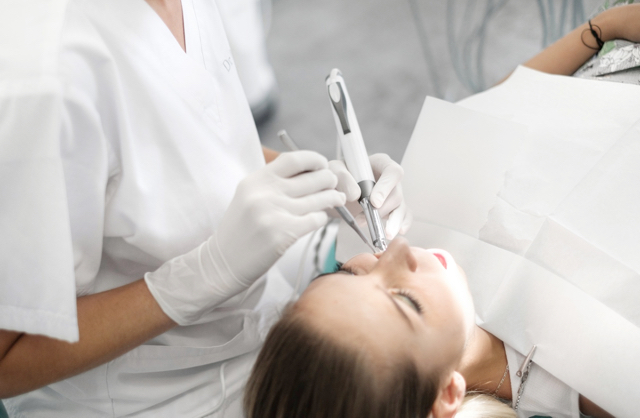
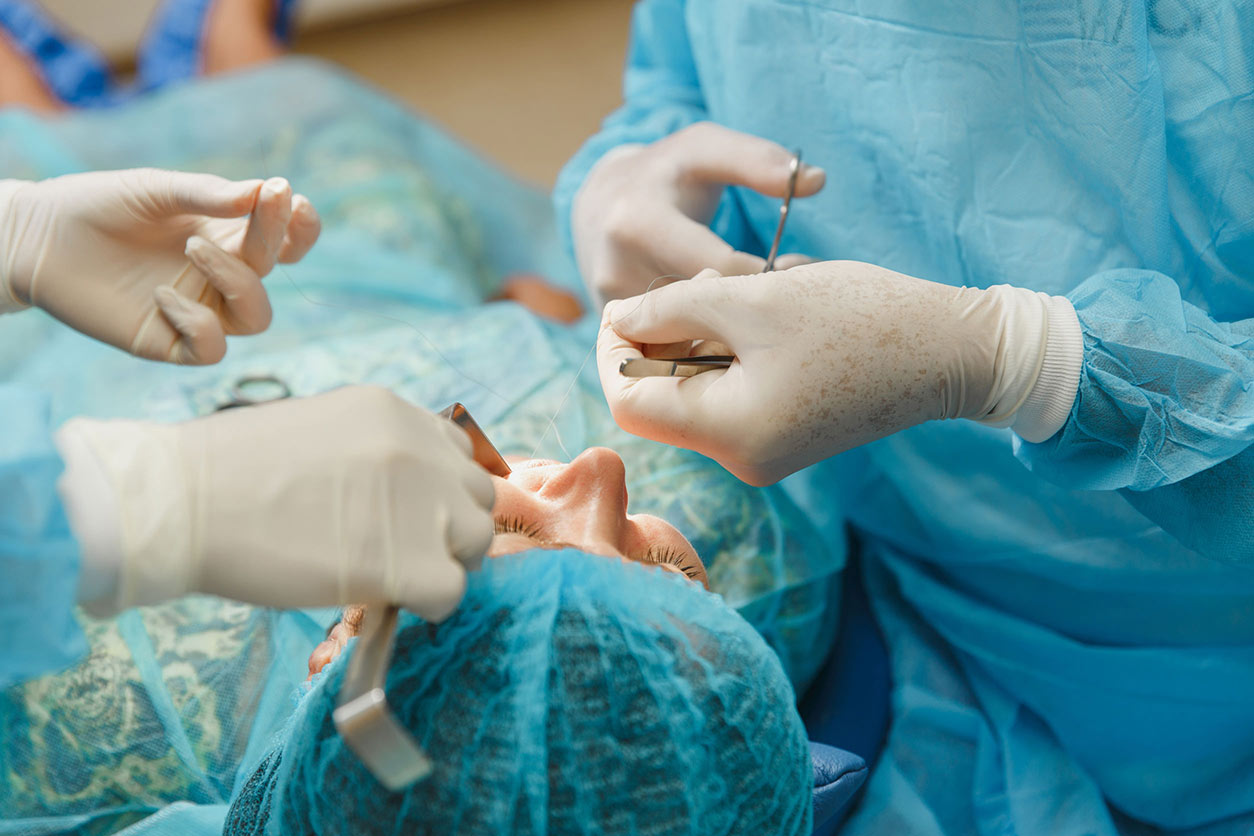
Wisdom tooth extraction is typically performed by a dentist or oral surgeon in a clinical setting. Before the procedure, local or general anesthesia may be administered to ensure your comfort. The dentist will make an incision in the gum to access the wisdom tooth and remove it. In some cases, a more complex surgical extraction may be necessary if the tooth is horizontal, impacted in the jaw, or partially erupted.
4 - What precautions should be taken after extraction?
After wisdom tooth extraction, it is important to follow the postoperative instructions provided by your dentist. This may include using cold compresses to reduce swelling, taking pain relievers to alleviate pain, and sticking to a soft diet for a few days. It is also crucial to avoid smoking, drinking through a straw, or engaging in strenuous physical activity during the recovery period. It is recommended that you see your dentist regularly to monitor your healing progress.
5 - What are the complications of wisdom teeth extraction?
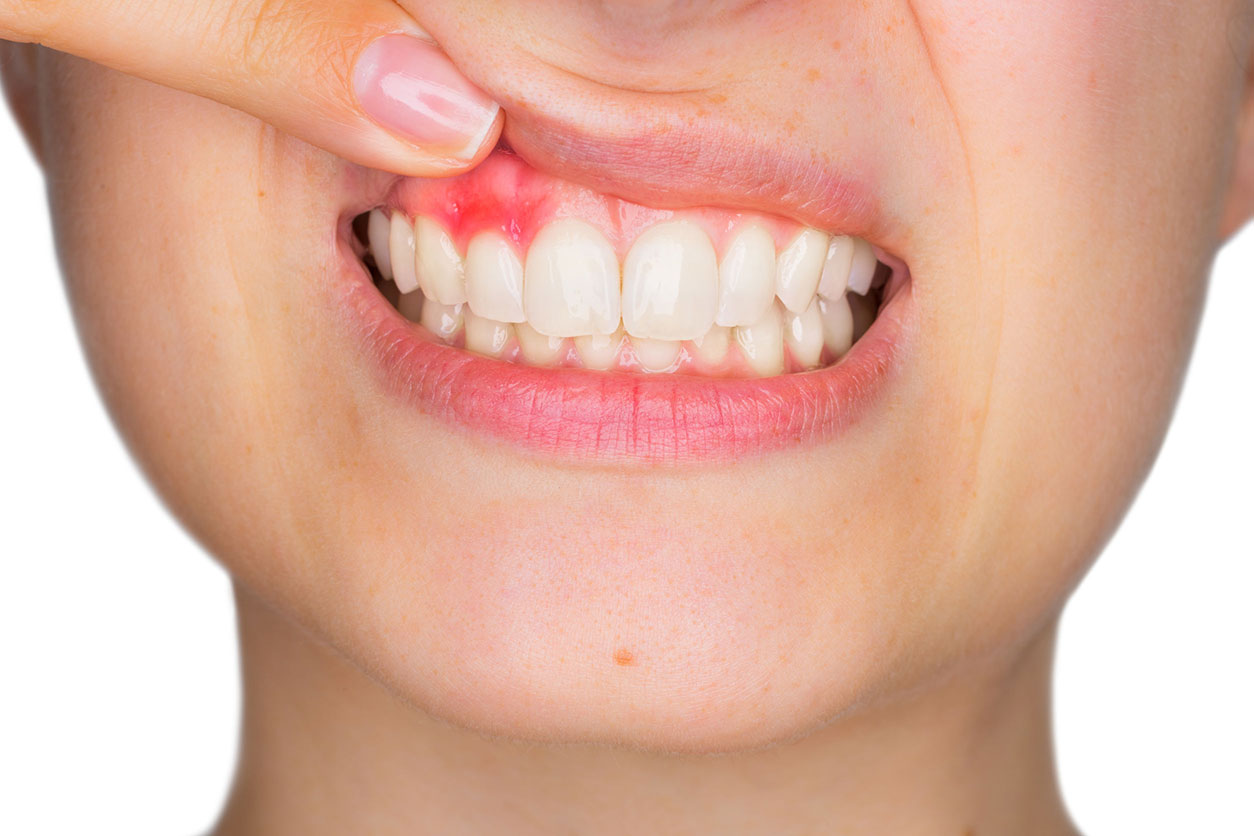
One of the most common complications is inflammation of the gum and socket, which is the space where the wisdom tooth used to be. This inflammation can lead to pain and swelling of the area, which can last for several days.
To avoid this, it is advisable to scrupulously follow the post-operative instructions prescribed by the dental surgeon or stomatologist, including taking anti-inflammatory medication and applying cold compresses to the area.
Another frequent complication is bleeding, which can occur during or after wisdom tooth extraction. In most cases, this bleeding is mild and stops spontaneously, but in some cases it may require surgical intervention to stop the bleeding. To avoid this, it's important to avoid biting or chewing on the side where the extracted tooth is located, not to smoke, and to use compresses to help coagulation.
There is also a risk of developing alveolitis, which is a relatively common complication. Alveolitis occurs when the blood clot that forms to protect the alveolus does not form properly or is lost too soon. This can lead to severe pain and delayed healing.
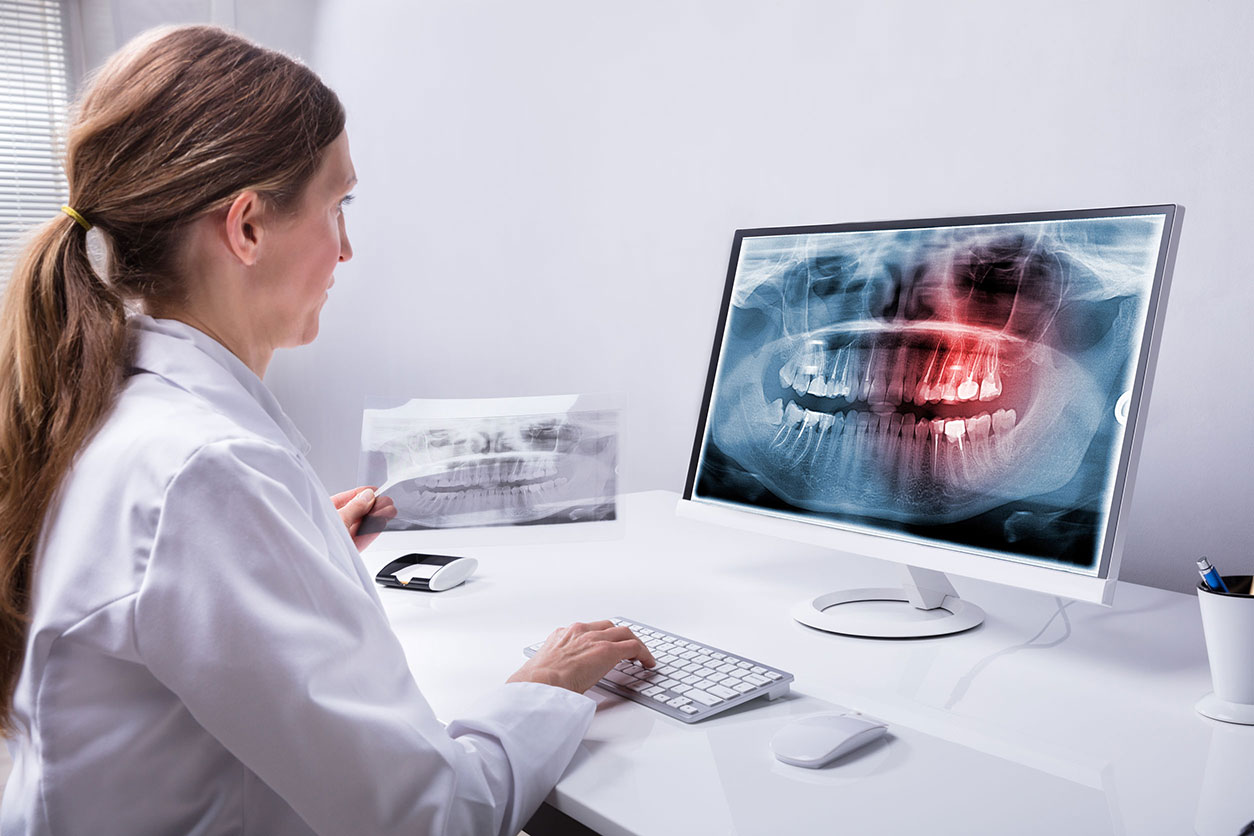
Wisdom teeth extraction in Geneva
Wisdom tooth extraction in Geneva is a common procedure that is often performed by a general dentist. In general, dental care is of high quality, and the staff is highly qualified and experienced in treating all kinds of dental problems.
Why choose the Chêne-Bourg dental center?
The team at the Chêne-Bourg Dental Center is committed to providing you with a safe, comfortable, and effective experience during your wisdom tooth extraction.
Located in the Tour Opale, the Centre Dentaire Chêne-Bourg welcomes its patients in a warm and friendly atmosphere.
Indeed the large surface area available allowed the installation of 2 waiting rooms and 4 generously proportioned treatment rooms, each with a personalized and contemporary decoration. In addition, the beautiful luminosity of the premises contributes to the well-being of all.
The team at the Centre Dentaire Chêne-Bourg is composed of complementary and competent dentists, periodontologists, orthodontists and dental hygienists.
Discover also the Centre Dentaire Lancy and the Centre Dentaire Champel