









Early orthodontic treatmentis attracting growing interest among families today. Many parents wonder when the ideal time is to consider orthodontic treatment for their children. Since tooth development and jaw growth are essential to facial development, an early evaluation can really make all the difference. In this article, let’s explore the benefits, warning signs, and the process of early treatment, while explaining why consulting the Chêne-bourg Dental Center is a wise choice.
What is early orthodontic treatment?
The term “early orthodontics”refers to any treatment or protocol begun before the permanent teeth have fully erupted. This generally applies to children between the ages of six and nine, the period during which the first premolars appear. This approach focuses primarily on prevention rather than late correction, which often leads to more lasting results.
Early treatment does not necessarily mean immediate placement of orthodontic appliances. Sometimes, simple, removable, discreet appliances specifically designed for children are sufficient to guide jaw growth and prevent the development of misaligned teeth. These devices facilitate correction as soon as the first signs of misalignment appear, thereby promoting harmonious development.
Why Consider an Early Orthodontic Evaluation?
Many parents wonder: Is it really necessary to seek medical advice early on? The answer, of course, depends on each child, but certain signs should prompt an early checkup.
Making an appointment with an orthodontist right away allows for the early detection of potential problems and ensures that treatment is started at the right time. Treatments performed during the growth phase offer several major benefits:
- Correction of Jaw Growth and Facial Harmonization
- Preventing Tooth Extractions Through Optimal Placement of Permanent Teeth
- Reducing the duration of follow-up treatment and limiting intensive treatments
- Reduced risk of trauma to certain misaligned teeth
- Improved chewing, breathing, and sometimes even pronunciation
What are the warning signs parents should look out for?
While some children appear to have proper bite alignment, others show telltale signs at a very early age. A careful examination of the teeth and certain behaviors can help detect abnormalities early on.
Monitoring proper tooth alignment and paying attention to certain oral habits are key points. Here are two categories of indicators to consider when monitoring a child’s oral health.
Obvious Signs of Imbalance
Signs such as upper incisors that significantly overlap the lower ones, a lateral misalignment of the jaw, or a large gap between the dental arches when the mouth is closed often indicate a need to correct problems related to jaw growth. Sometimes, baby teeth can prevent permanent teeth from erupting properly, leading to misalignments that will be difficult to treat later without appropriate intervention. That is why a screening around age six effectively safeguards the years ahead.
These situations require prompt consultation in order to obtain professional advice and begin treatment early if necessary.
Habits and behaviors to watch out for
Prolonged thumb-sucking or pacifier use, as well as certain unusual tongue positions, can lead to early orthodontic problems. These habits create abnormal forces on the teeth and jaws, contributing to the development of misaligned teeth or a poor bite.
Without treatment, these issues can quickly lead to complications for the child. This is why it is important to consult a specialist who can restore natural functions—such as nasal breathing or proper swallowing—and help prevent future problems.
How does early orthodontic treatment work?
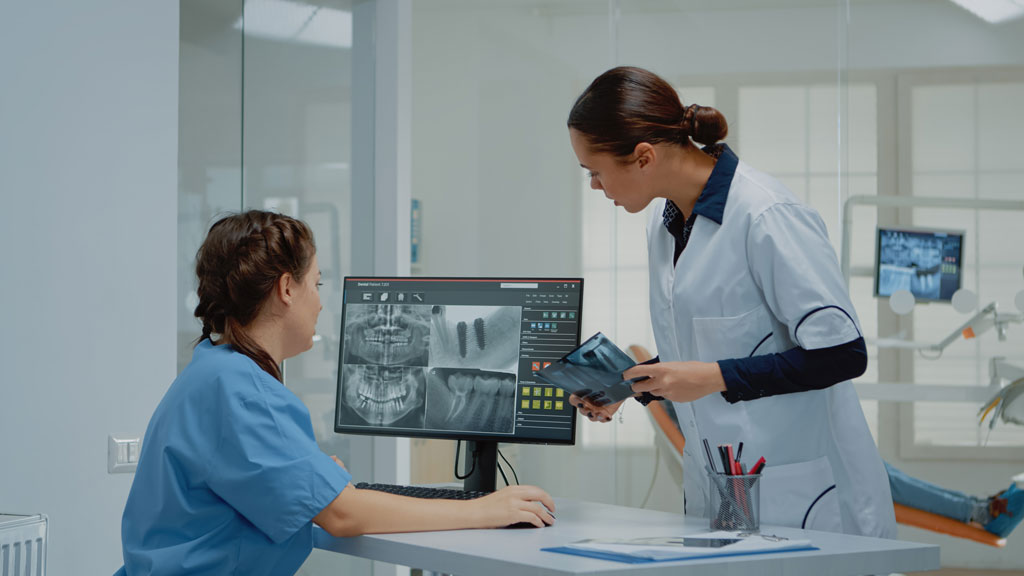
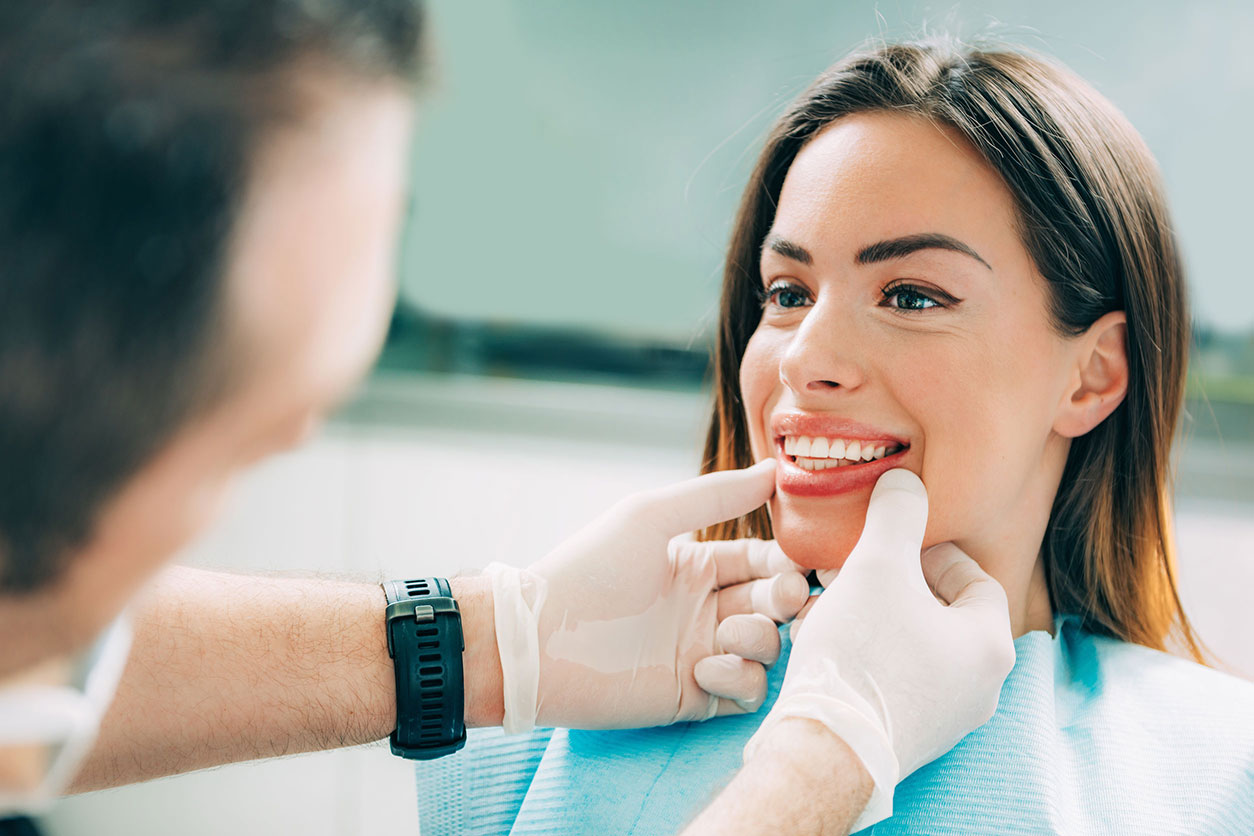
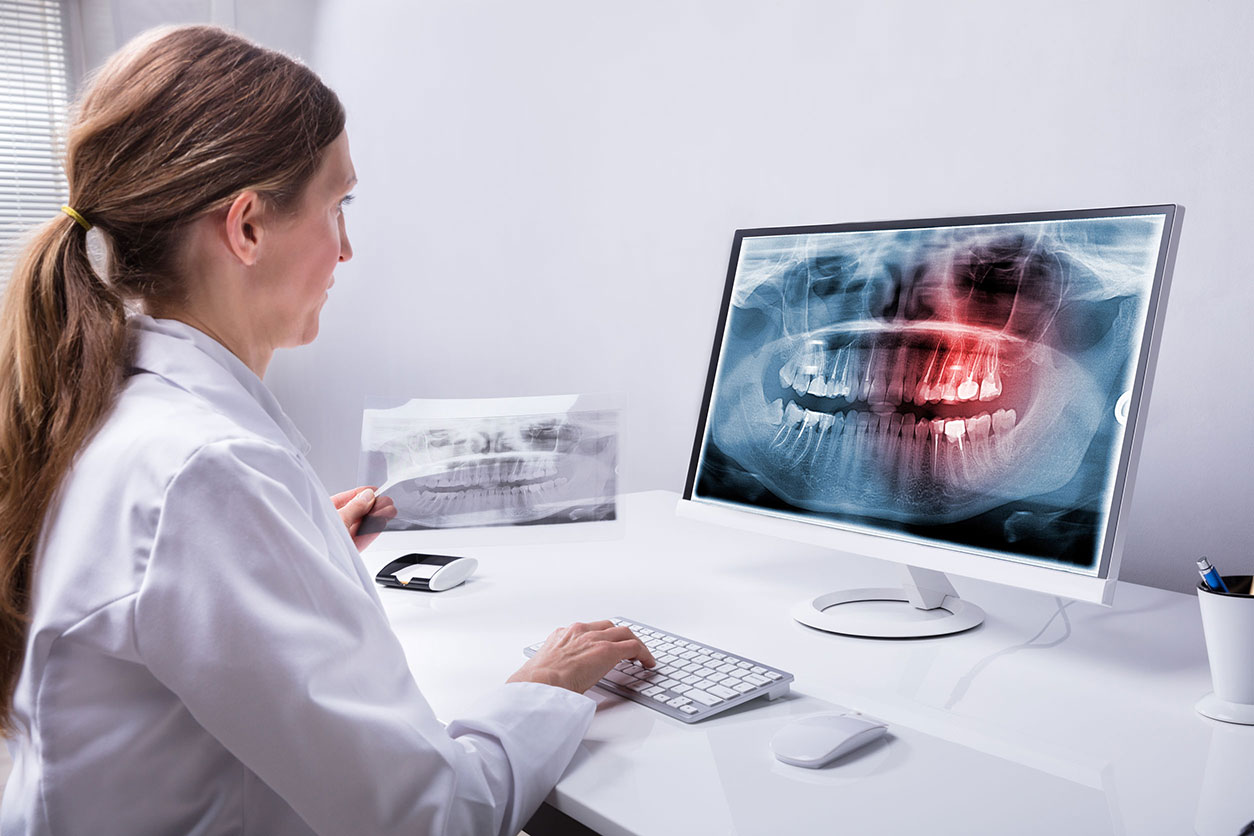
The first appointment involves a comprehensive evaluation: a clinical examination, X-rays appropriate for the child’s age, analysis of bone growth, and more. Based on this evaluation, the orthodontist proposes a personalized treatment plan.
Sometimes, immediate intervention is not necessary, but when early treatment is required, there are several options available to address each situation:
- Interceptive orthodontic appliances (disconnectors, growth activators)
- Small, fixed systems that target the affected teeth
- Regular follow-up visits to monitor the alignment of the permanent teeth
The different types of devices used in early treatment
The traditional image of metal braces does not reflect the full range of options available today. In earlyorthodontic treatment, comfort and adaptability are key to accommodating the child’s age.
Here are a few common examples:
- Palatal expander: gradually widens a palate that is too narrow to facilitate final alignment
- Quad Helix: a flexible appliance attached to the molars to facilitate transverse expansion
- Activator: a removable device that stimulates jaw growth
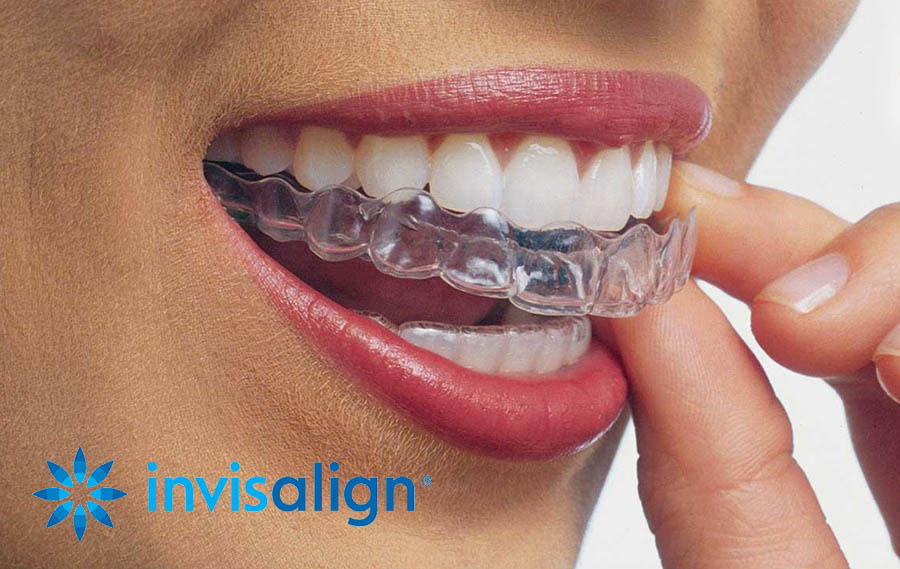
- Clear aligners for limited movement in certain cooperative young patients
How long does early orthodontic treatment take?
The duration varies depending on the nature and severity of the abnormalities. In general, an interceptive phase lasts six to twelve months. It focuses on correcting growth-related problems, followed by ongoing monitoring as the permanent teeth come in through adolescence.
If a second phase becomes necessary later on, it can build on the work already done and often requires less effort. The table below summarizes the main steps and average durations observed during early treatment:
Phase | Approximate age | Average duration |
Early Detection | Ages 6–8 | 1 annual visit |
Interceptive Treatment | Ages 7–9 | 6 to 12 months |
Follow-up After Interception | Ages 10–13 | Semiannual visits |
Orthodontic Treatment (Braces, Aligners) | Ages 12–15 | 12 to 24 months |
Why choose the Chêne-bourg Dental Center for early treatment?
Visiting a specialized center like the Chêne-bourg Dental Center offers real benefits. The multidisciplinary team supports children and parents every step of the way, from the initial evaluation to the possible fitting of orthodontic appliances.
Having access to the latest technologies, extensive experience with young patients, and ongoing communication with families makes all the difference. When you schedule an appointment at the Chêne-bourg Dental Center, you can be sure of an expert assessment of jaw growth and personalized, reassuring care for every case of early orthodontic treatment.
Frequently Asked Questions About Early Orthodontic Treatment for Children
At what age should a child have an early orthodontic evaluation?
The first visit is recommended around age 6 or 7. At this age, the first permanent teeth begin to come in, allowing the dentist to quickly identify any need for early treatment.
- Screening for Dental Malocclusions
- Identifying Delayed or Excessive Jaw Growth
- Individualized guidance for each child
| Recommended Age for Visitors | Potential Benefits |
| 6–7 years old | Early Intervention |
| Ages 8–10 | Growth-Guided Correction |
What problems can be prevented with early orthodontic treatment?
Early orthodontic treatment can correct various issues before they become complex. In particular, it can prevent malocclusion, jaw growth discrepancies, crowding, or gaps, as well as many dental misalignments caused by harmful habits.
- Bad oral habits (thumb-sucking, pacifier use)
- Significant offset up/down or right/left
- Lack of space or supernumerary teeth
Is orthodontic treatment always used in early intervention?
The use of orthodontic appliances depends on the diagnosis. Some children simply require monitoring. If a problem is detected, a discreet, age-appropriate device (such as a clear aligner, removable plate, or separator) may be recommended.
- Easy-to-use devices for young children
- Option for short, gradual, early-stage treatments
- Monitoring periods during which continuous monitoring is not required
Should we wait until all the permanent teeth have come in before making an appointment?
No, many problems are much easier to correct while the jaws are still growing. Ideally, it’s best to see a dentist before all the baby teeth have fallen out to maximize the chances of preventing and correcting emerging problems.
- More Effective Interventions
- Fewer restrictions for the child