










L’implant dentaire est une solution de plus en plus populaire pour le remplacement de dents manquantes. En guise de racine artificielle, il offre une base solide pour une couronne ou un bridge. Mais avec plusieurs types d’implants disponibles, comment savoir lequel est le mieux adapté à votre situation ? Examinons les différentes options et leurs bénéfices pour vous aider à faire un choix éclairé.
Endosseous implants: the standard solution
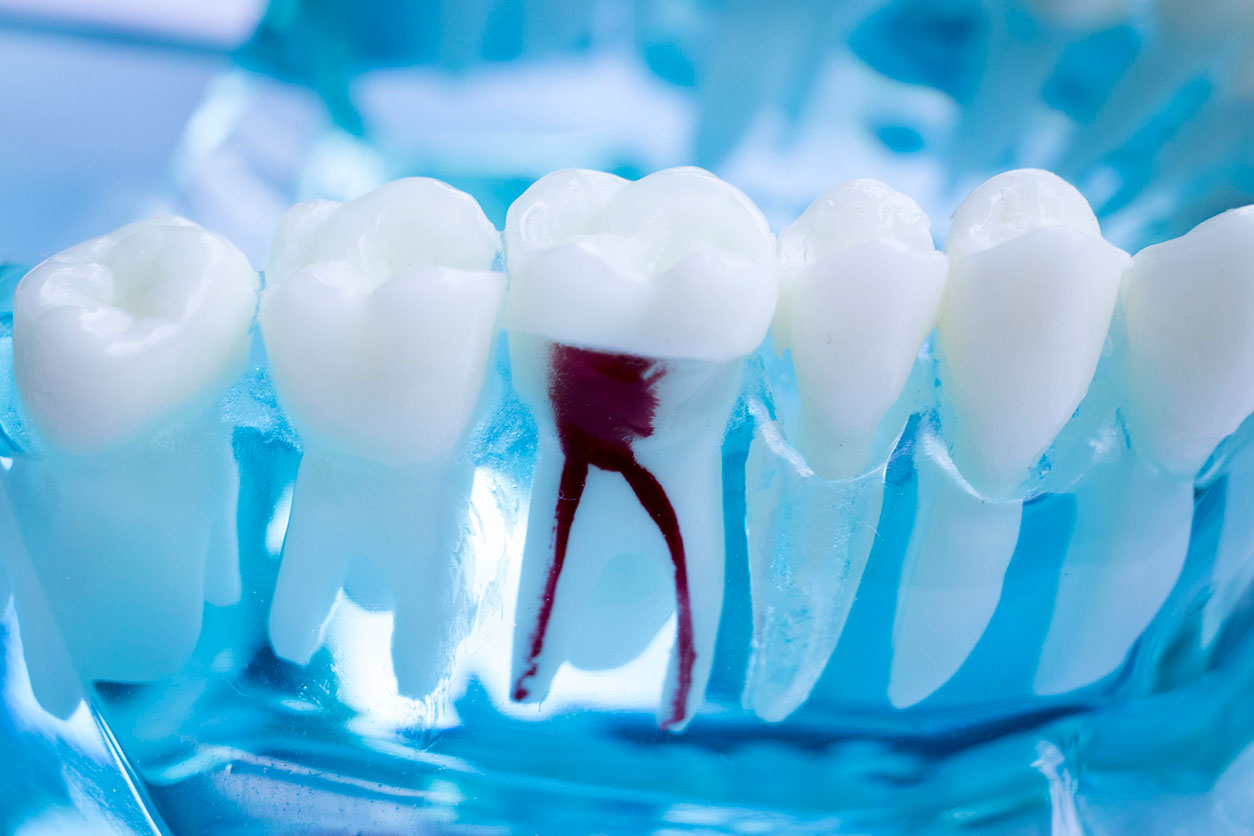
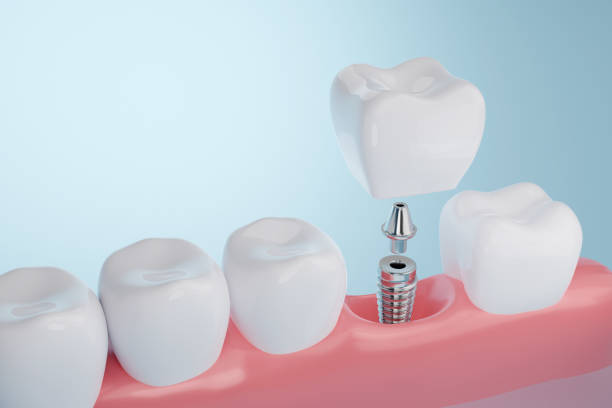
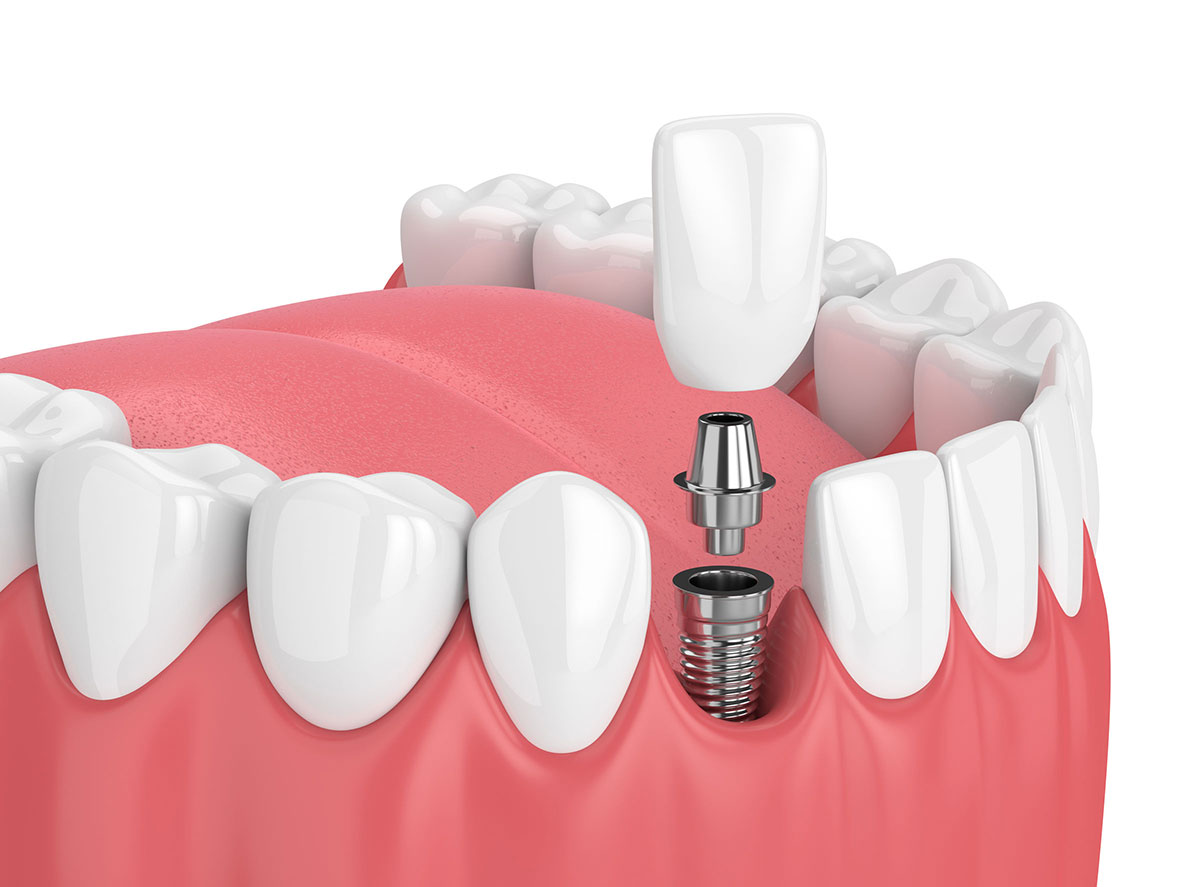
Les implants endo-osseux sont les plus couramment utilisés. Ils sont insérés directement dans l’os de la mâchoire et servent d’ancre pour les dents artificielles. La majorité des prothèses dentaires actuelles utilisent cette technique, principalement en raison de sa fiabilité et de son taux de succès élevé.
Advantages of endosseous implants
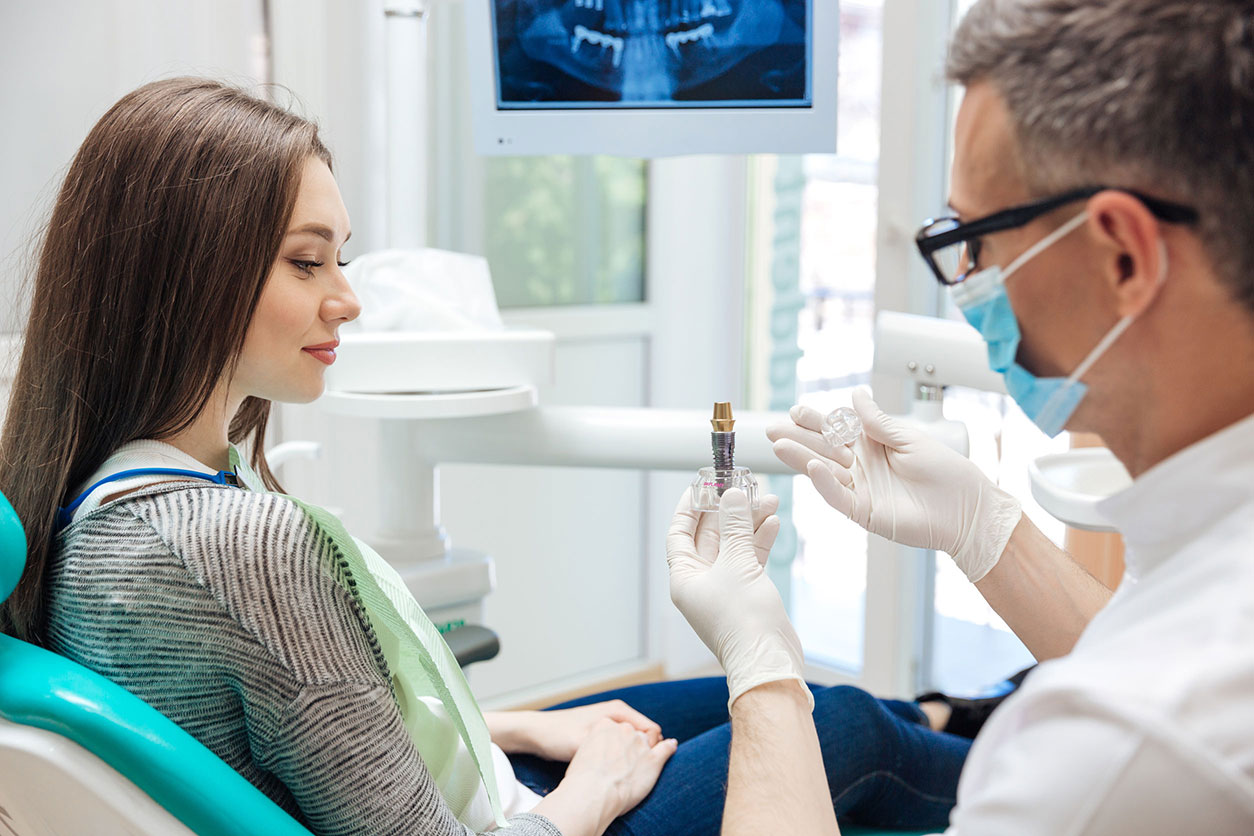
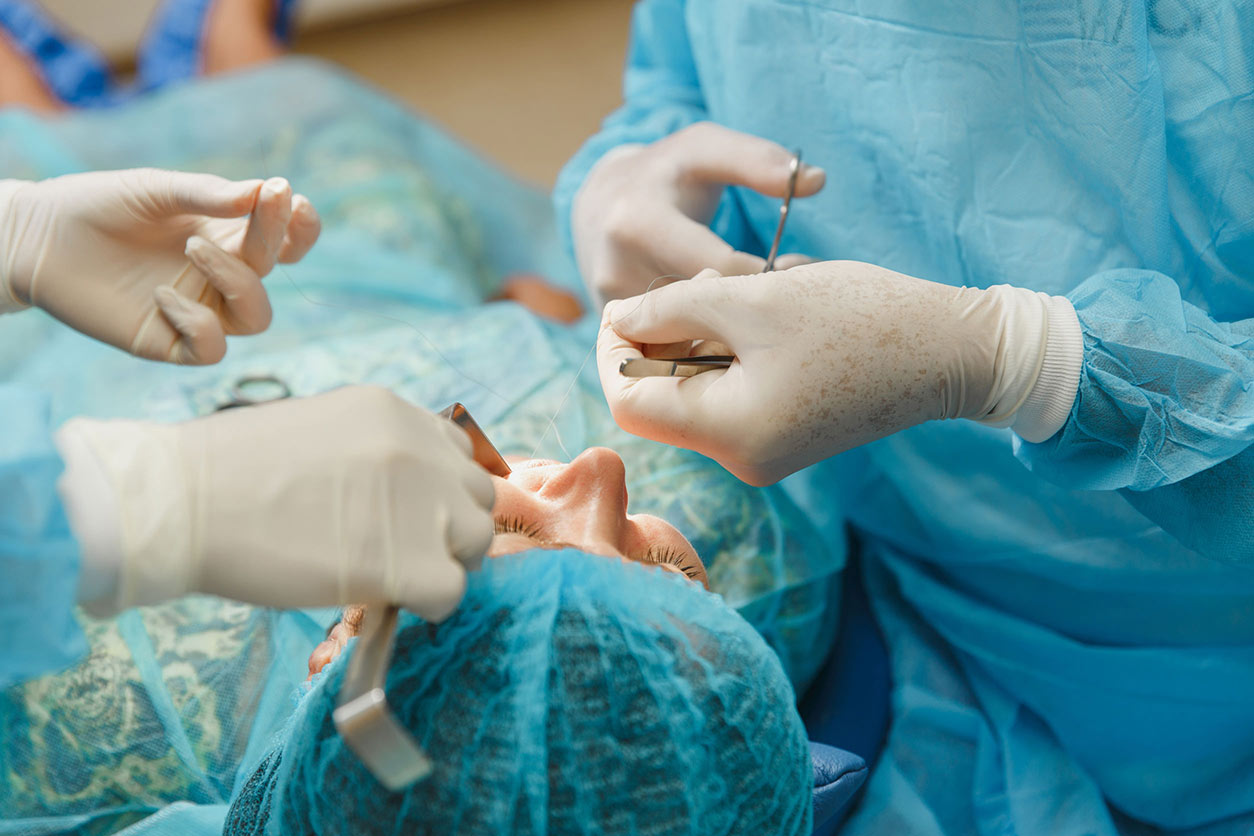
Ce type d’implant dentaire imite de près la structure naturelle de la dent, offrant ainsi une stabilité exceptionnelle. La chirurgie pour la pose d’implant est relativement simple et peut être réalisée sous anesthésie locale.
The titanium used in these implants is biocompatible, which means it integrates well with natural bone without causing any adverse reaction. What's more, these implants are highly durable, often considered a permanent solution for replacing missing teeth.
Risks and complications
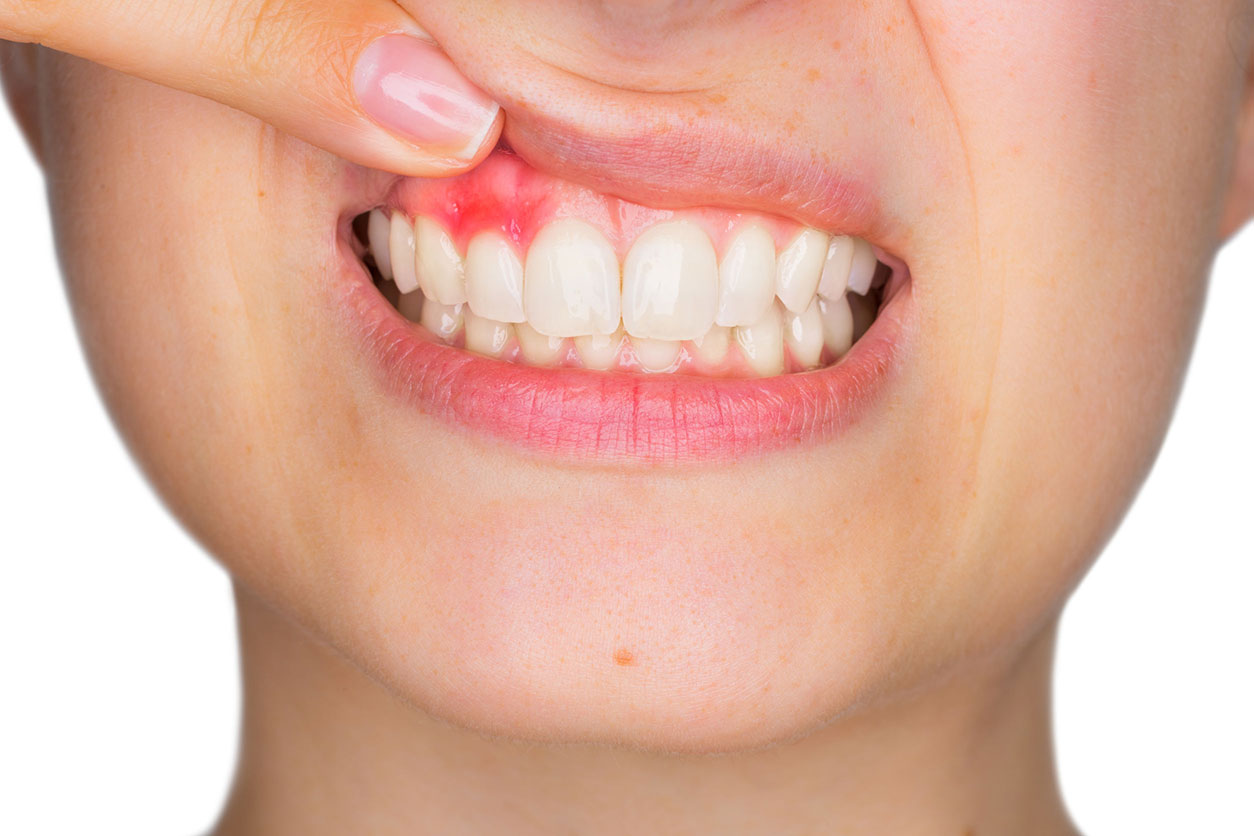
Although the risks are low, some complications may occur. Infections or healing problems can affect implant integration. So it's crucial to follow all post-operative recommendations made by your dental surgeon.
Subperiosteal implants: when bone is insufficient
Les implants subpériostés se situent au-dessus de la mâchoire mais sous la gencive. Ce type est conseillé lorsque l’os de la mâchoire n’est pas suffisant pour soutenir un implant endo-osseux et que le patient ne souhaite pas ou ne peut pas subir une greffe osseuse.
Shape and materials of subperiosteal implants
One of the major differences between subperiosteal and endosseous implants is that they do not require deep insertion into the bone. This minimizes some post-operative pain and often shortens recovery time.
Limits and drawbacks
Unfortunately, these implants are not as stable as endosseous implants. They can sometimes lead to gum irritation. Their cost is also generally higher, due to their specific nature and the additional materials required.
Mini implants: a fast, temporary solution
Mini implants are a smaller version of conventional implants. They are often used for temporary situations or to stabilize removable prostheses. Although they are less invasive to install, they are not always suitable for all patients.
Advantages of mini implants
The small size of these implants makes the procedure much less invasive, often possible with a local anaesthetic. The whole process, from installation to healing, is much quicker than with standard implants.
What's more, mini implants generally cost less than their larger counterparts, offering an economical option for many patients. They are ideal for stabilizing a removable prosthesis or replacing a single tooth in an area of low masticatory stress.
Considerations and limitations
These implants do not provide the same level of support and durability as full-size implants. They are mainly recommended for temporary or provisional solutions. If the clinical situation requires significant masticatory force, they may not be appropriate.
Zygomatic implants: for extreme cases
Zygomatic implants are used in conditions where the jawbone is extremely deficient. These implants anchor in the zygomatic bone (cheek bone) rather than in the jaw itself.
Technical details and benefits
It's an innovative method of bypassing the need for complex bone grafting. Very useful for patients with severe bone resorption, zygomatic implants offer a viable solution where other methods fail.
They have a high success rate, often restoring near-normal masticatory function in patients who would otherwise not be candidates for conventional implants.
Potential complications
Comme toute intervention chirurgicale complexe, celle-ci comporte certains risques. Les principales complications incluent des sinusites, des insensibilités faciales temporaires ou des infections. Une consultation approfondie avec un chirurgien-dentiste spécialisé est essentielle avant de considérer cette option.
Choosing the right type of implant: criteria to assess
- Bone condition: The quality and quantity of available bone often determine the appropriate implant type.
- Budget: The price and cost of different implants vary significantly. Consider your budget while weighing the long-term benefits.
- Medical conditions: Certain diseases or medical treatments may affect your ability to receive a particular type of implant.
To determine exactly which implant is right for you, you need to consult a dental professional who will evaluate these criteria and other specifics of your individual situation.
Post-operative preparation and follow-up
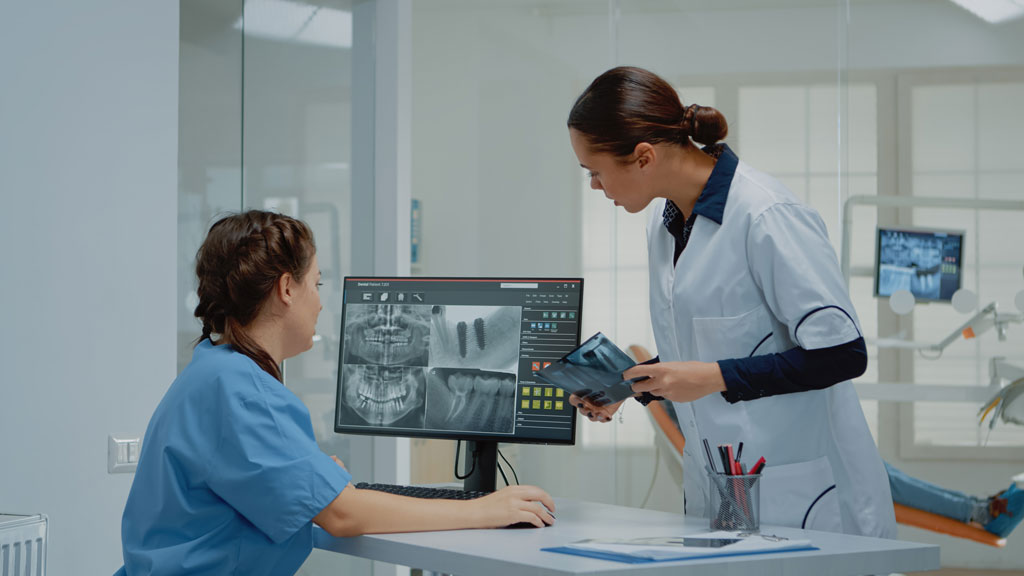
Avant toute opération, une préparation minutieuse est cruciale. Des examens radiographiques et une planification détaillée garantissent un résultat optimal. Après la pose d’implant, suivre scrupuleusement les conseils et instructions de votre dentiste est essentiel pour prévenir les complications.
Regular follow-up visits will enable the practitioner to monitor the healing process and ensure the long-term success of your dental implant.
Ultimately, choosing the right dental implant will depend on a number of factors specific to your case. Never hesitate to seek several opinions and discuss all your options in depth with your dentist to find the best solution for your needs.
Dental implants : which implant is right for you?
Les implants dentaires sont une solution efficace pour remplacer des dents manquantes et restaurer la fonction masticatoire ainsi que l’esthétique du sourire. Il existe plusieurs types d’implants dentaires adaptés aux besoins spécifiques de chaque patient.
The choice of implant depends on several factors:
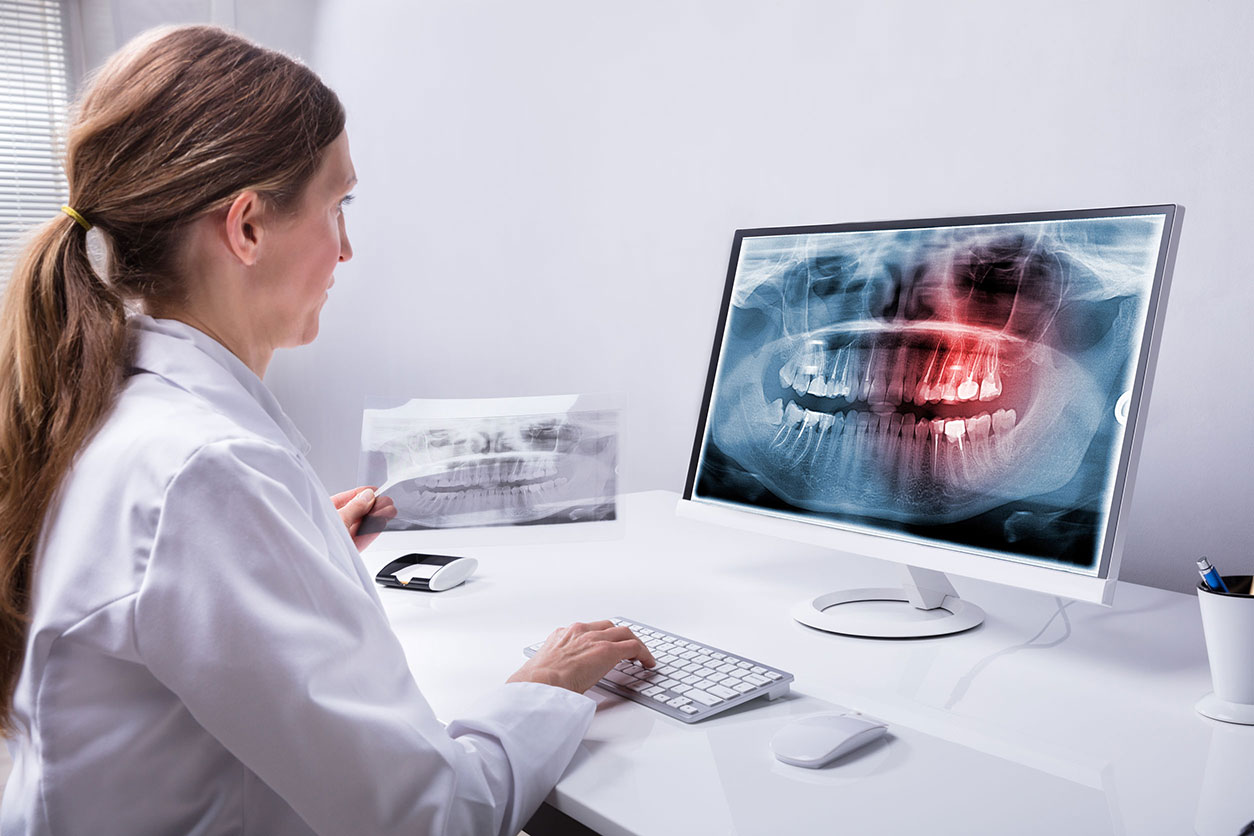
- Condition of your jawbone - X-ray analysis required
- Number of teeth to be replaced - A single implant or a complete solution (implant-supported bridge)
- Your budget - Different options depending on materials and implant type
- Vos attentes esthétiques et fonctionnelles
Le Centre Dentaire Chêne-Bourg vous accompagne, nos spécialistes vous conseillent et réalisent un diagnostic personnalisé pour vous proposer la meilleure solution adaptée à votre santé bucco-dentaire.
Discover also the Centre Dentaire Lancy and the Centre Dentaire Champel