








Orthodontics for adolescents: a key time for action
Teenage orthodontics
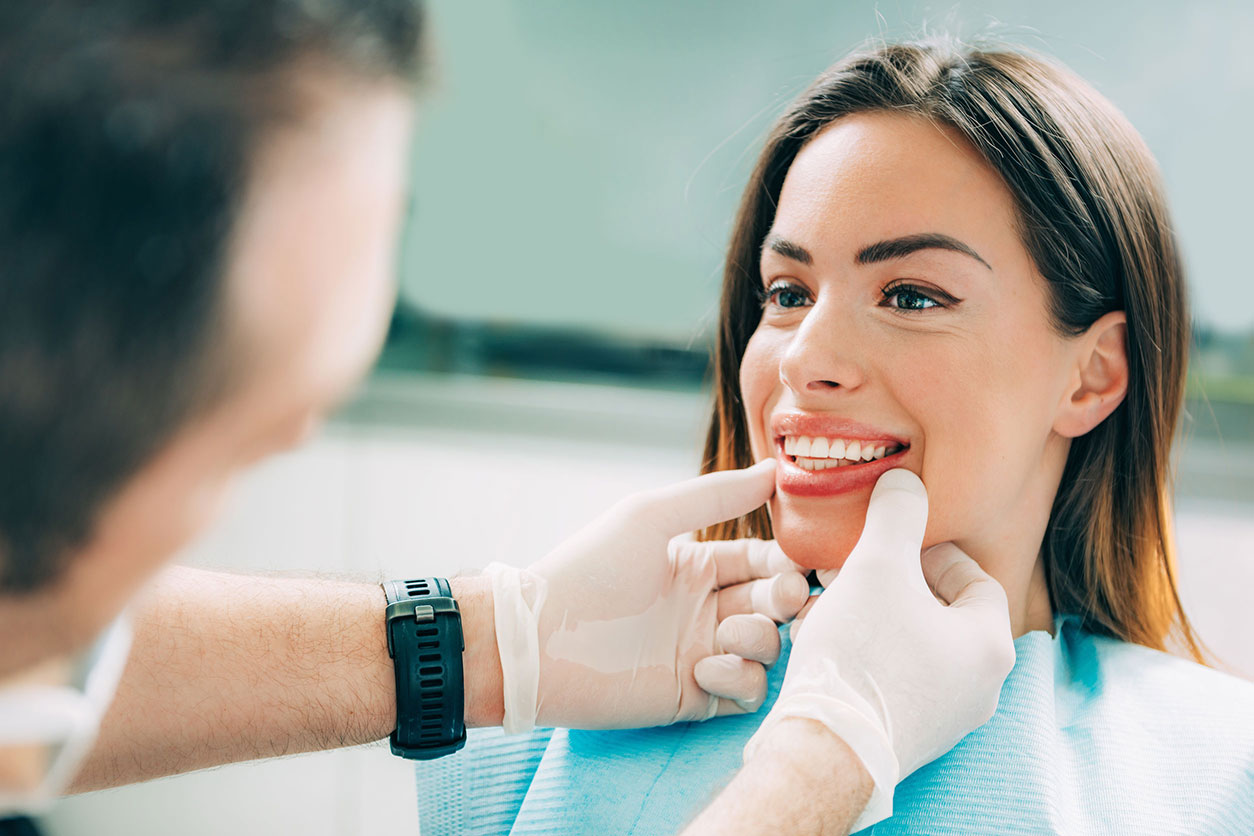
Adolescence is an ideal time to begin orthodontic treatment.
Between the ages of 11 and 16, the jaws are still growing, which allows for more effective and long-lasting treatment to align the teeth and correct bite problems.
Early management can not only effectively correct abnormalities, but also limit or even avoid more complex treatments in adulthood.
Orthodontic treatment at this age allows :
- correct misaligned or overlapping teeth,
- guide the harmonious development of the jaws,
- prevent functional disorders (chewing, breathing, speech),
- and improve self-confidence at an important moment in personal development.
Thanks tomodern, comfortable, and discreet solutions(fixed braces or clear aligners, depending on the case), treatment fits easily into teenagers’ daily lives, whether at school, during sports, or while participating in social activities.
Supporting your teenager through orthodontic treatment means more than just giving them a smile: it means giving them every chance of optimal oral health in adulthood.
Why and at what age should a child see an orthodontist?
At the Centre Dentaire Chêne-Bourg, we create harmonious smiles.
Our specialty: creatinga natural and aesthetically pleasing smile that complements each patient’s dental and facial features.
An orthodontic dentist can correct all types of dento-maxillary dysmorphosis - from tooth malposition to jaw imbalance. His role is not limited to aligning teeth: he ensures that the result is perfectly integrated into the face as a whole, for a smile that is balanced, functional and harmonious.
Your smile is our business.
Our Therapeutic Solutions for Adolescent Treatments
1. Classic devices
VESTIBULAR CONVENTIONAL RINGS (CERAMIC or METALLIC)
Braces (ormulti-bracket appliances) consist of small brackets bonded to the teeth, connected by a wire that helps straighten them gradually.
Ceramic braces, which are less noticeable than metal braces, blend in with the natural color of the teeth, ensuring a more discreet treatment.
CLASS 2 ACTIVATOR (CARRIER type)
This is an orthodontic appliance used to correct Class 2 malocclusions, i.e. when the upper jaw (maxilla) is too far forward in relation to the lower jaw (mandible), or the lower jaw is too far back. It's a small, fixed appliance placed on the side of the upper molars and canines, combined with a splint on the lower jaw and intra-oral elastics. It is often used at the start of treatment, before a full appliance (such as braces or aligners) is fitted.
DISCONNECTOR
It is a device attached to the roof of the mouth that is used to widen the upper jaw when it is too narrow. The activation phase (during which the screw is turned) lasts about 2 to 3 weeks.
Afterward, the device is left in place for a few months to stabilize the new width of the jaw.
In adolescence, the circuit-breaker often precedes the installation of a multi-attachment appliance (braces).
2. Invisible orthodontics
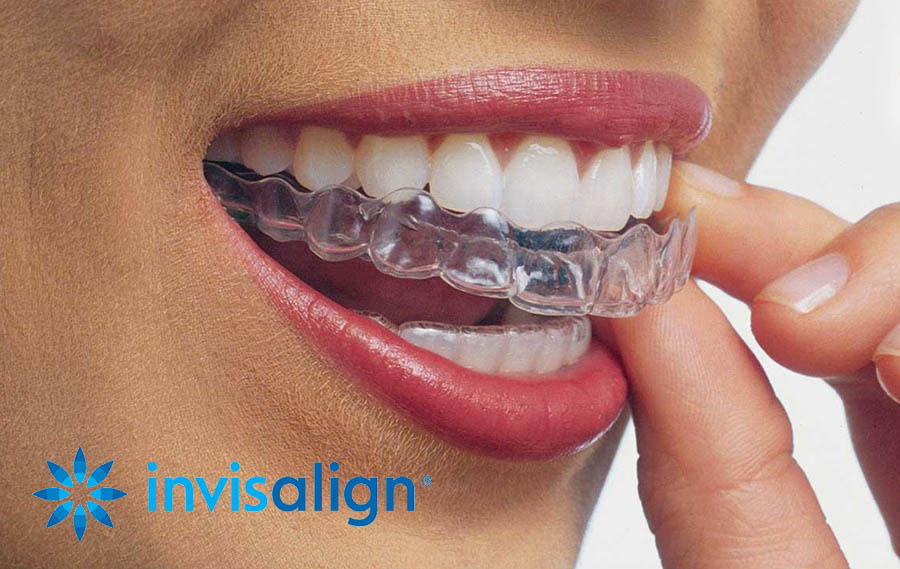
TRANSPARENT ALIGNORS (Invisalign type)
Invisalignaligners are a discreet alternative to traditional braces. Comfortable and removable, they allow you to correct the alignment of your teeth without compromisingyour appearance. Aligners are clear trays that are worn over the teeth to gradually straighten them.
LINGUAL ORTHODONTICS
Unlike conventional (vestibular) braces, lingual braces are made up of brackets fixed to the inside of the teeth, offering effective correction while remaining invisible.
CALL US!
+41 22 870 94 94
Chêne-Bourg Dental Center
Excellence at the service of your smile