














The emergence of wisdom teeth raises many questions, especially when pain sets in. Many dread this pivotal moment in adolescence or early adulthood when these third molars erupt. Between swelling, jaw discomfort, and sometimes even unexpected complications, it’s hard to remain indifferent to these newcomers at the back of the mouth. Let’s take a closer look at the causes of the pain, the warning signs to watch for, and the various options available to maintain oral health and quality of life.
Why do wisdom teeth cause pain?
Wisdom teeth coming in often cause discomfort. But why do these third molars cause so many unpleasant symptoms in some people, while others feel almost nothing? It all starts when they begin to emerge, usually between the ages of 17 and 25. This process, called “eruption,” can go smoothly… or trigger a real storm in the mouth.
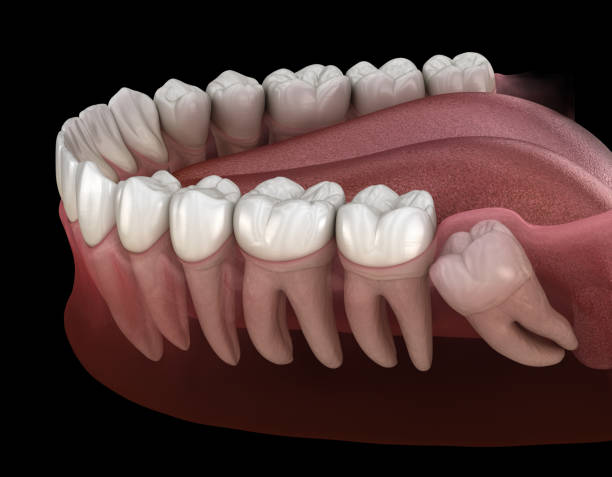
In many cases, the problem stems from a lack of space in the dental arch. The other teeth, already firmly in place, leave little room for this newcomer. The result: the tooth tries to break through the gum, causing pain, sensitivity, and sometimes even visible swelling of the cheek on the side of the affected jaw. This struggle against the lack of space is the main cause of the many problems encountered during this period.
What are the symptoms associated with the eruption of wisdom teeth?
Recognizing the signs associated with third molars is often the key to taking action before surgery becomes unavoidable. Three of the most common symptoms are pain, swelling and problems opening the mouth.
Some people also experience a vague discomfort that may radiate toward the ear, which is exacerbated by chewing or brushing their teeth. Others notice persistent bad breath and, at times, an unpleasant taste in their mouth. All of these symptoms should prompt a prompt visit to a healthcare provider in order to establish an accurate diagnosis and prevent minor discomforts from leading to serious complications.
Acute pain and inflammation: how to react?
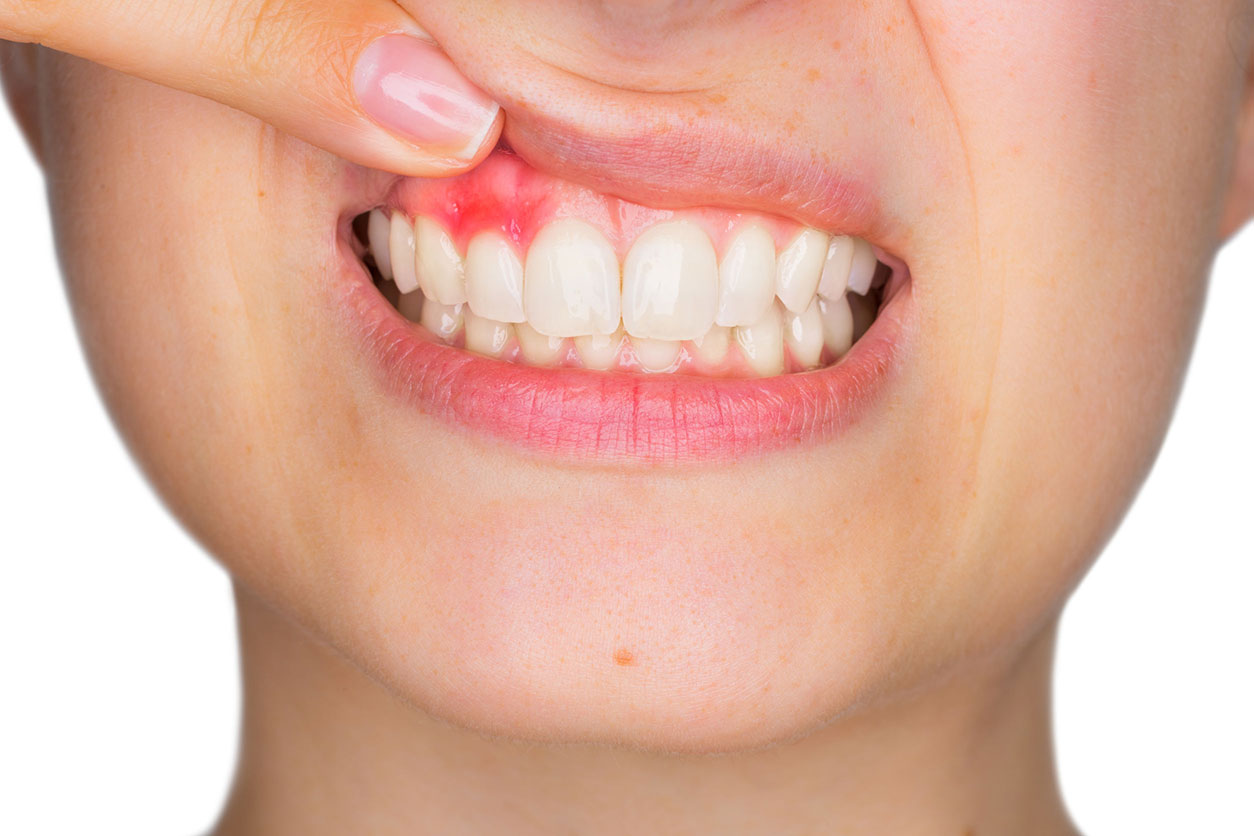
A sharp pain at the back of the jaw frequently makes patients concerned by the eruption of third molars wince. This sensation is often accompanied by local redness and difficulty in opening the mouth fully (trismus).
Sometimes, the gum tissue that partially covers the tooth can swell, forming a small, painful “cap” known as pericoronitis. In such cases, a prompt visit to a dentist or maxillofacial surgeon can effectively relieve the symptoms through appropriate local treatment.
Signs of complications to watch out for
Significant swelling, the presence of pus, or a fever are particularly cause for concern. These signs may indicate an infection resulting from the tooth’s inability to erupt properly; this is known as a pericoronal abscess. Prompt treatment significantly reduces the risk of the condition worsening and helps avoid complex surgical procedures.
Other detectable complications include early tooth decay in the adjacent tooth or a gradual shift in the entire dental arch, which can lead to malocclusions that are sometimes quite severe. Regular monitoring during preventive checkups remains essential, even if there is no obvious pain.
What are the long-term consequences for wisdom teeth?
It's perfectly legitimate to wonder what problems arise after or during the eruption of third molars. For while some teeth find their place without worry, others cause a number of negative interactions with the rest of the jaw in the medium to long term.
The classic case involves a preventive measure: extracting wisdom teeth before irreversible damage occurs. This means intervening before any cyst formation, bone alteration or destruction of adjacent roots.
Prevention methods: anticipate rather than suffer
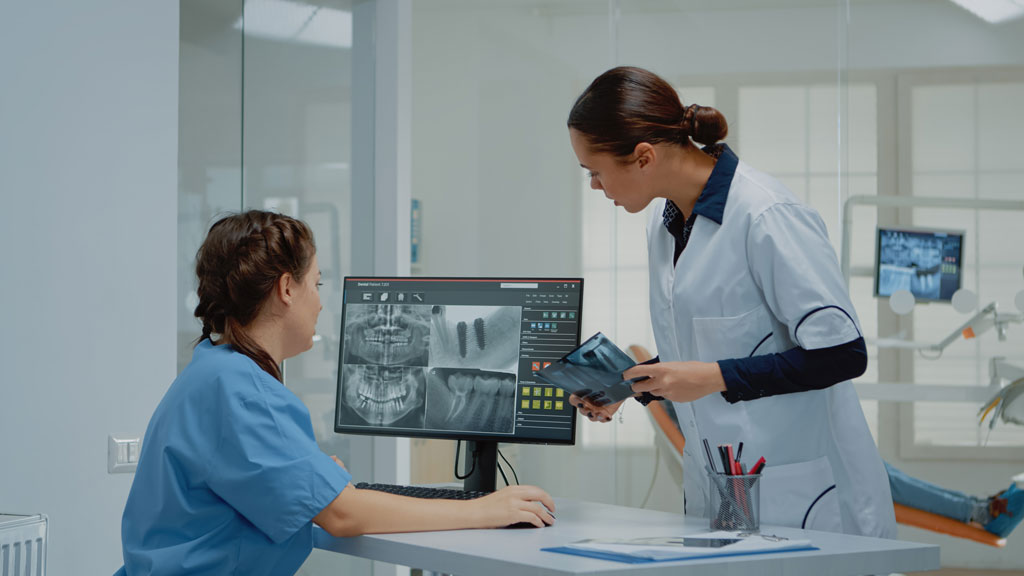
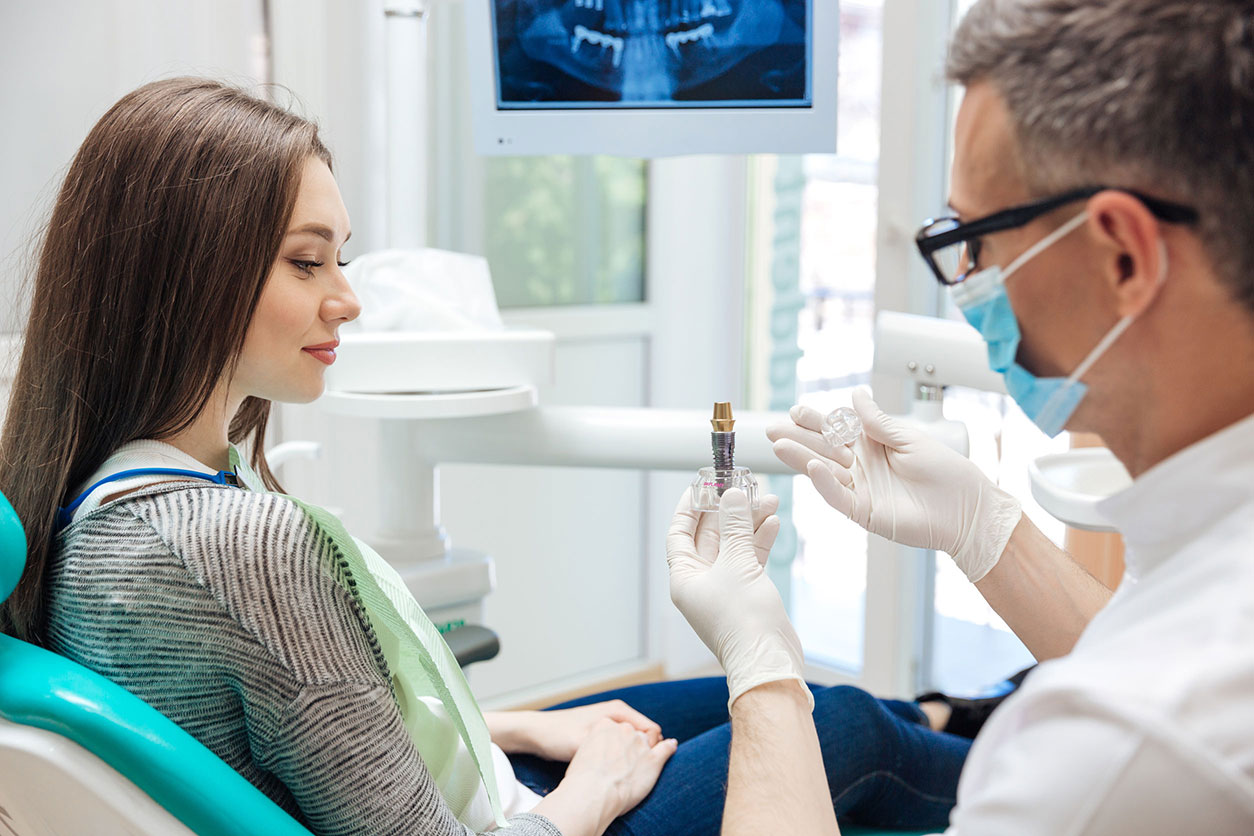
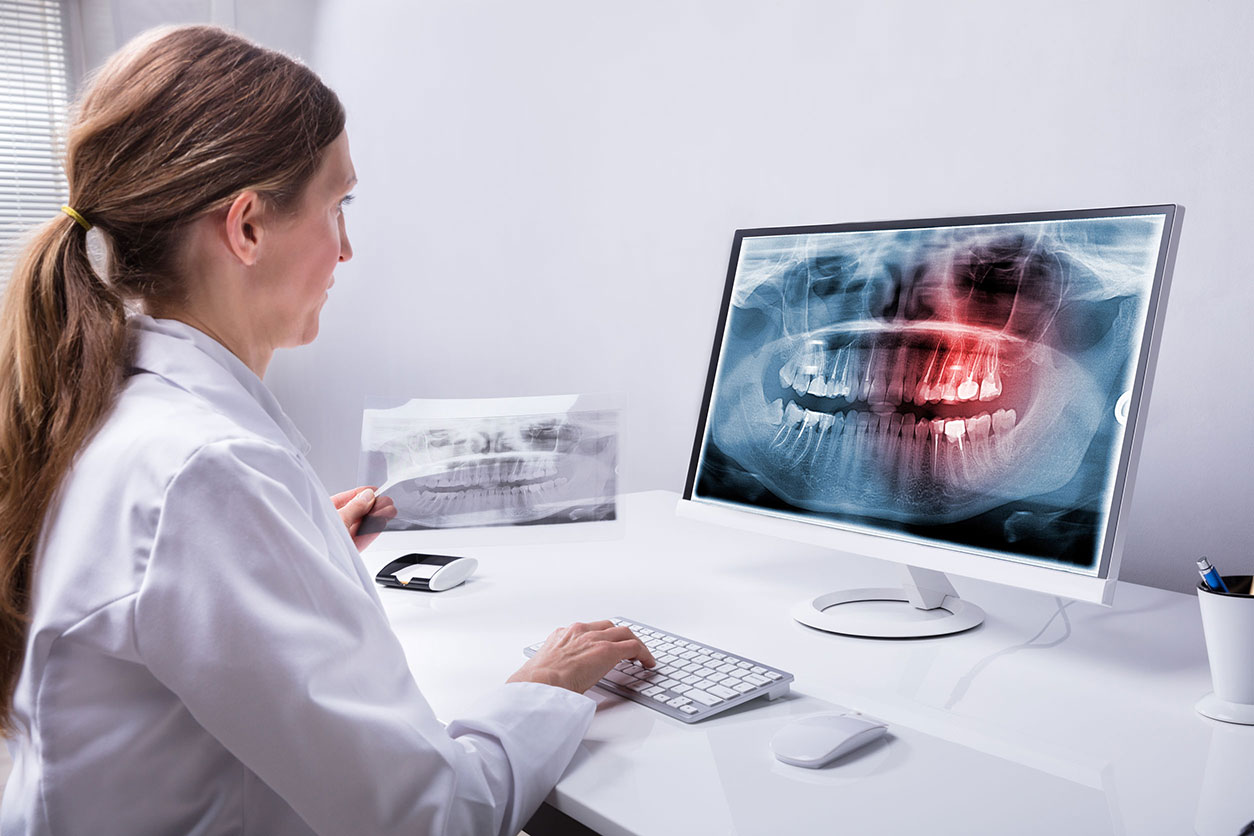
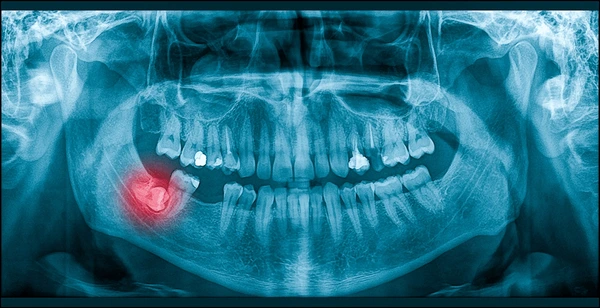
Today, many specialists prefer to monitor third molars from their late teens, with repeated panoramic X-rays. This regular monitoring provides a complete picture of the position and evolution of the third molars, enabling extraction to be planned if necessary.
Seeking advice from a competent professional can help you to detect the notorious reasons for withdrawal at an early stage. The aim is to avoid the development of chronic pain, periodontal lesions and tooth displacements that can be damaging in the long term.
Functional disorders and associated diseases
Difficulty in eating certain foods, restricted mouth opening and the formation of gingival pockets are just some of the complications often encountered. In some people, repeated inflammation over time leads to significant damage to the gums and surrounding tissues.
Untreated infections can spread to other areas, such as the sinuses, throat and even lymph nodes. This phenomenon highlights the need for serious medical support, particularly from maxillofacial surgeons accustomed to dealing with such delicate situations.
How wisdom teeth are extracted?
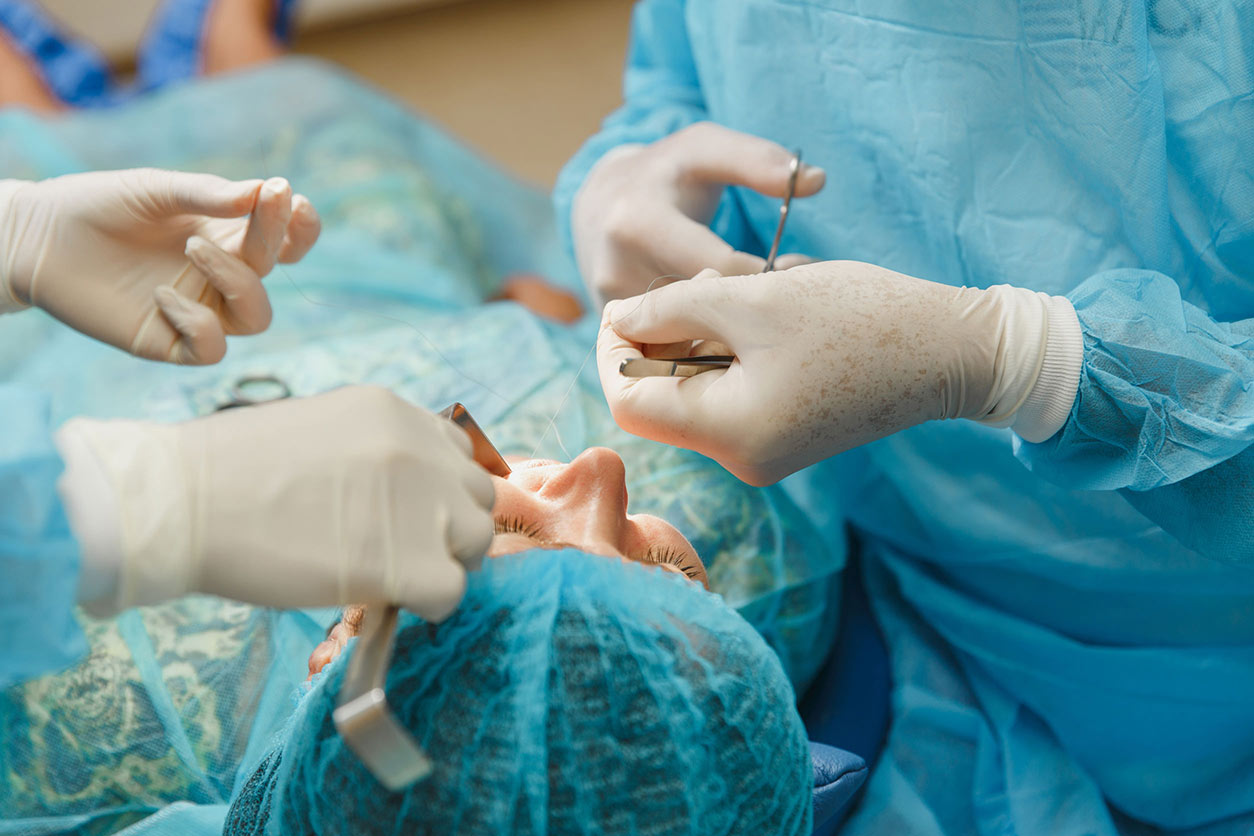
Extraction of wisdom teeth is often an unavoidable step when pain, infection or lack of space become too intrusive. The surgical procedure varies according to the position of the tooth - impacted, semi-impacted or fully erupted - its accessibility, and the patient's age.
Generally, the procedure is performed under local anesthesia, which ensures optimal comfort during the procedure. Some cases require general anesthesia, particularly if several teeth need to be extracted at the same time or if specific complications are identified during the initial evaluation.
- Preliminary consultation with panoramic radiograph
- Patient-specific risk assessment
- Local or general anesthesia as indicated
- Gum incision and possible removal of part of the bone
- Sutures and detailed post-operative instructions
The complexity of the procedure depends largely on the orientation of the third molar in question. A properly aligned tooth comes out easily, whereas an inverted or horizontal position significantly increases the technical difficulty of the procedure.
| Type of rash | Level of difficulty | Estimated time |
| Total (tooth fully extended) | Low | 20-30 minutes |
| Semi-included | Medium | 30-45 minutes |
| Incluse (below gum/osseous) | High | 45-90 minutes |
The assistance of an experienced professional guarantees better post-operative management and limits the usual risks such as alveolitis, temporary paresthesia or non-closure of the scar. This implies strict organization of the preventive care offered in the maxillofacial surgery practice.
How can I soothe the pain of wisdom teeth?
Treatment of wisdom teeth pain at the Centre Dentaire Chêne-Bourg
Don't let wisdom tooth pain affect your daily life.
Wisdom tooth pain should never be taken lightly. Whether the discomfort is temporary or persistent, it's essential to consult a professional to avoid complications.
At the Chêne-Bourg Dental Center, our team is here to listen to you, assess your situation, and offer you personalized care in a modern and reassuring environment.
Don't wait for the pain to get worse - book an appointment now and regain your everyday comfort.
Be sure to check out the Lancy Dental Center andtheChampel Dental Center as well
Frequently asked questions about pain and wisdom teeth extraction