























Taking care of your oral health isn’t just about having straight, white teeth. It’s primarily a matter of overall health that starts with practicing good daily habits. A dental hygienist might surprise you with simple yet effective tips for maintaining a radiant smile and preventing oral diseases. These healthcare professionals are trained to provide practical advice on oral hygiene, and here we share five of the best tips they would recommend.
What are the basics of good oral hygiene?
Oral hygiene is the first line of defense against various diseases affecting the teeth and gums. This includes regular brushing, flossing, and regular visits to your dentist for professional cleanings.
By brushing your teeth at least twice a day, you remove dental plaque, which causes problems such as gingivitis. Adopting this routine significantly reduces the risk of developing serious oral diseases such as periodontitis. For many dental hygienists, these daily habits form a solid foundation for preventing oral health-related diseases.
Why consult a dental hygienist on a regular basis?
Even if you have an excellent at-home oral care routine, nothing can replace professional care. Regular visits to the dental hygienist help detect potential problems before they get worse. A professional cleaning can remove tartar that brushing alone cannot remove.
It's also essential to have the advice of a trained professional to spot early signs of oral disease or conditions requiring further medical attention. By visiting a dental office every six months or so, you can maximize your chances of maintaining a healthy mouth.
What role does prevention play in dental care?
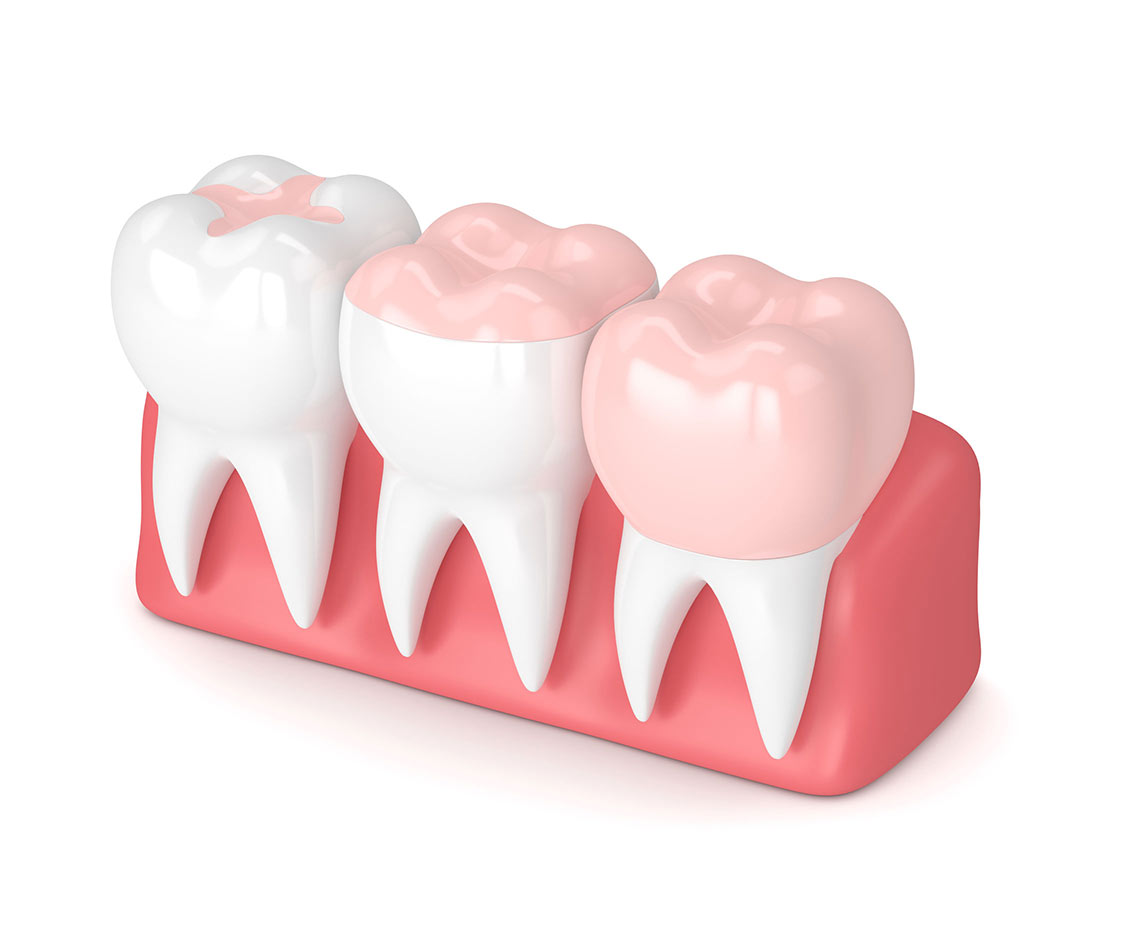
Prevention is a crucial aspect of dental care. Dental hygienists place a strong emphasis on managing risk factors to prevent disease rather than treating it once it has developed. Through preventive measures such as dental sealants and fluoride treatments, it is possible to significantly reduce the development of cavities.
Certain habits can also have a positive influence on your oral health, such as limiting sugar consumption, not smoking, and ensuring a balanced diet rich in vitamins and minerals. In fact, prevention is as much about what you do on a daily basis as it is about targeted professional interventions.
What are the main tips for effective brushing?
Brushing your teeth correctly requires a certain technique. In addition to frequency, you need to pay attention to duration and method. Here are some recommendations from dental hygienists to optimize your routine:
- Use a soft-bristled brush, adapted to the size of your mouth, to reach all tooth surfaces easily.
- Take two full minutes to brush, dividing the time equally between all areas of the mouth.
- Tilt the brush at a 45-degree angle towards the gum line and make small circular movements.
Don't forget to replace your toothbrush every three months, or as soon as the bristles start to fray. Using the right fluoride-containing toothpaste also helps to strengthen teeth while offering extra protection against cavities.
How can you prevent gum disease?
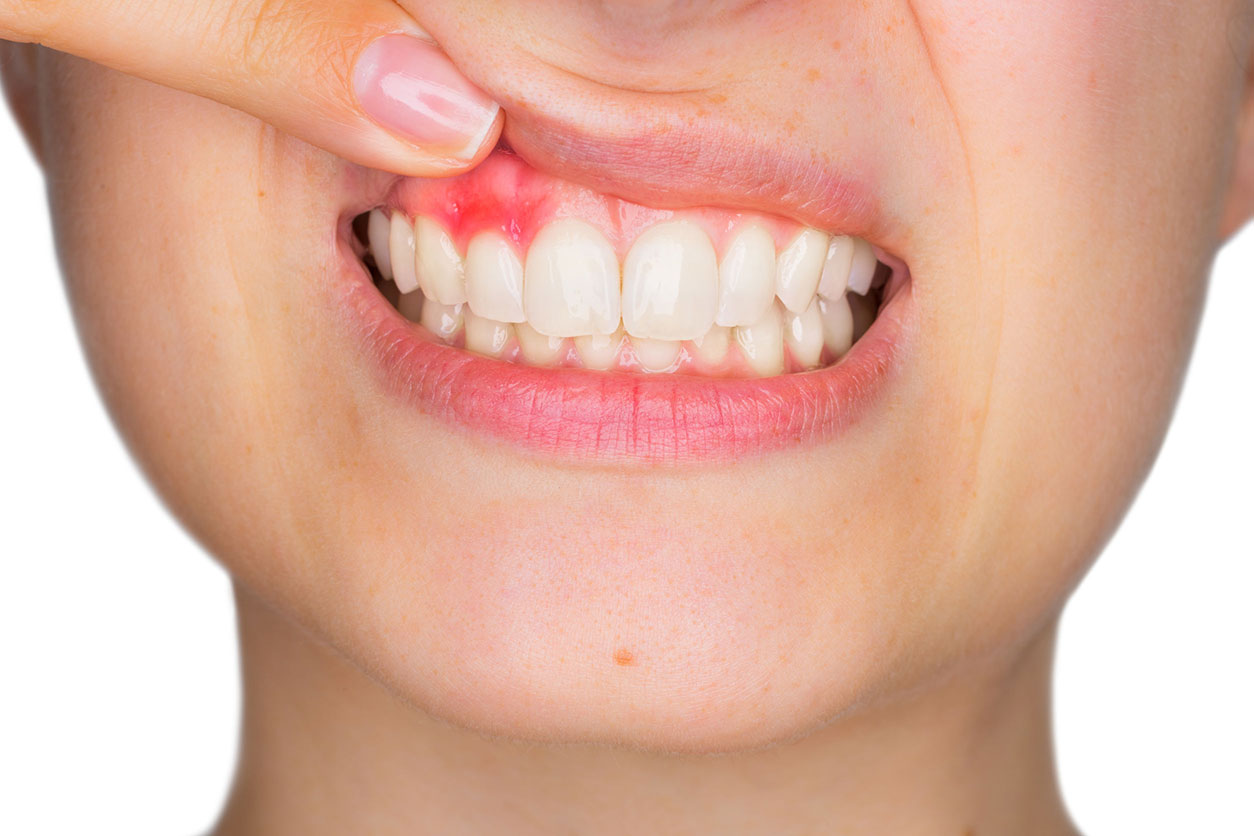
Gum disease such as gingivitis and periodontitis is often caused by an untreated build-up of hardened plaque (tartar). Regular visits to the dental hygienist for scaling are essential. Develop a daily habit of flossing to clean interdental spaces where the brush doesn't fit.
It's a good idea to keep an eye out for indicators such as bleeding gums, discoloration or tooth sensitivity. If symptoms appear, it's important to consult a specialist as soon as possible to obtain a proper diagnosis.

Dental floss: your indispensable ally
Often underestimated, dental floss plays an undeniable role in oral hygiene. Its main function is to remove food particles trapped between teeth, where the brush has difficult access. It also effectively combats plaque, helping to prevent gum inflammation and tooth decay.
For many, flossing can seem tedious. However, regular use will quickly show beneficial results on gum health, encouraging its continued use. Although it may take some time to become a habit, persevere!
What's the best way to floss?
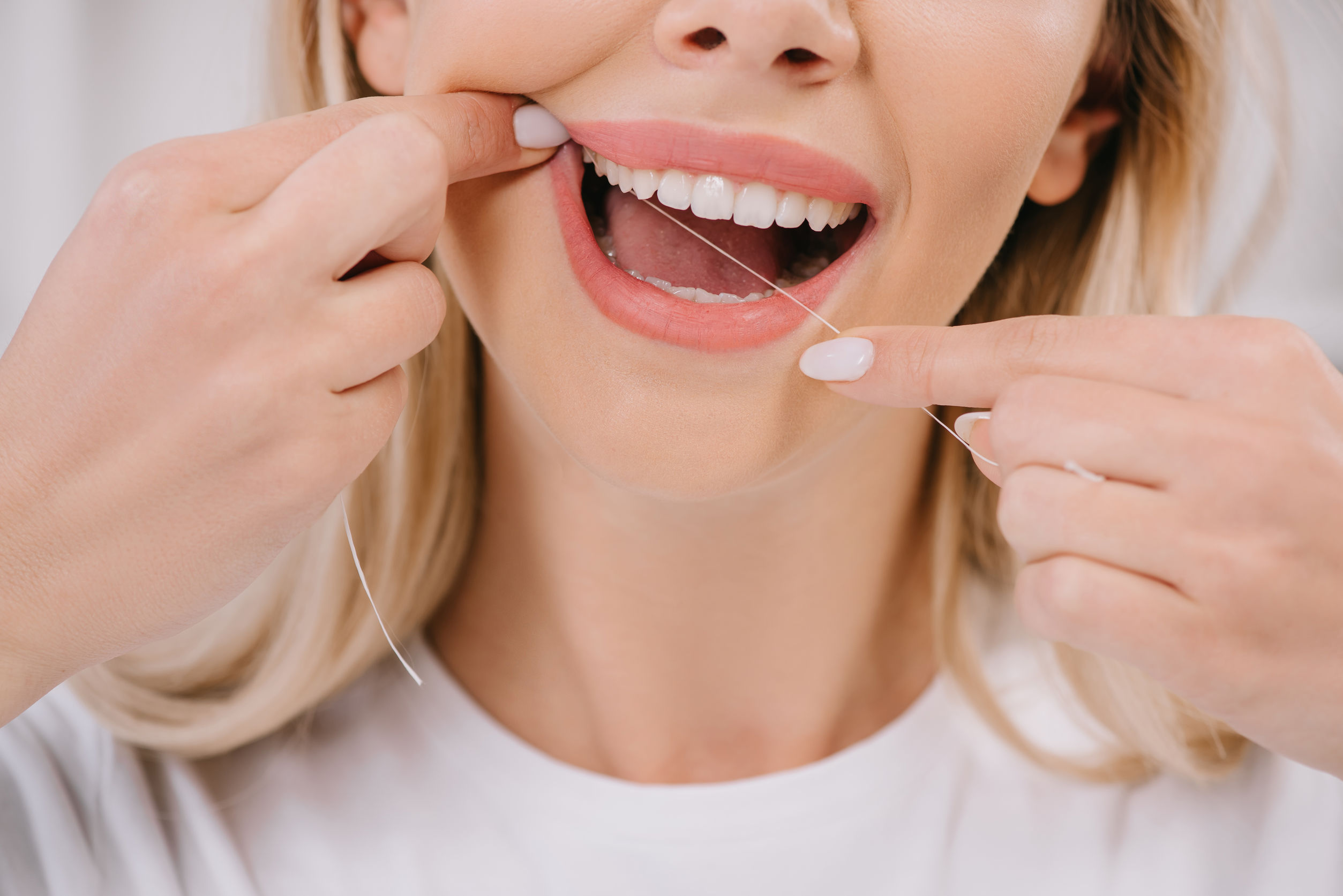
Flossing is not that complicated. Here are a few steps to follow:
- Cut a piece of dental floss about 40 centimetres long.
- Gently wrap the thread around your fingers, leaving enough length to work with.
- Gently insert it between each tooth without using excessive force to avoid damaging the gums.
- Bend the wire slightly around the tooth and move it slowly up and down.
It's crucial to clean all the gaps, including the teeth at the back of your mouth. With patience, this will help keep your gums healthy.
Discover also the Centre Dentaire Lancy and the Centre Dentaire Champel
Oral hygiene FAQs