


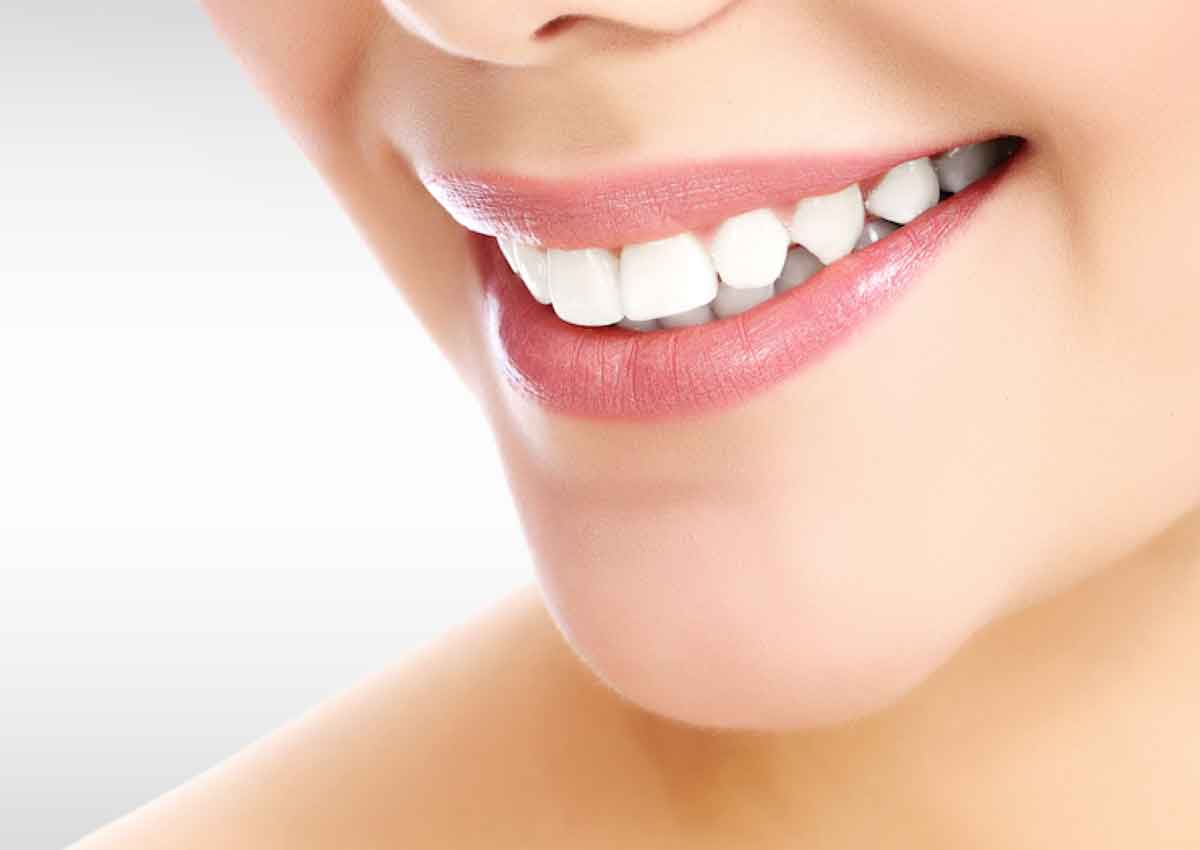









Achieving a radiant smile through teeth whitening is often a real boost to self-confidence. Many people want to maintain that brightness for as long as possible after whitening their teeth, but it’s not always clear what steps to take. Fortunately, there are several simple habits and effective tips you can incorporate into your oral care routine. Let’s explore the recommended methods for prolonging the effects of a professional treatment or an at-home whitening kit.
Why is maintenance essential after tooth whitening?
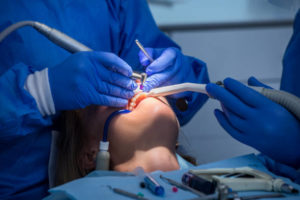
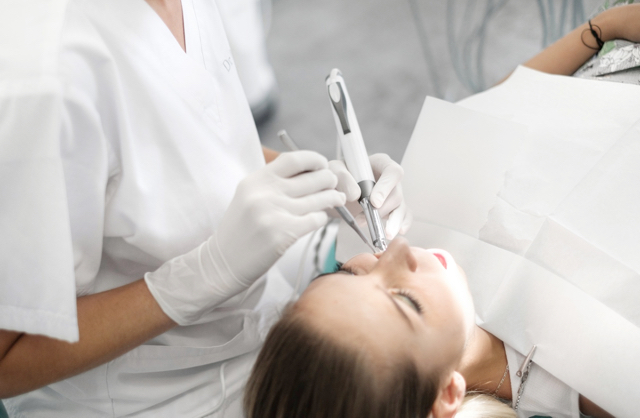
After undergoing teeth-whitening treatments, teeth become more susceptible to staining and can quickly lose their luster if certain habits persist. The temporary porosity of the enamel caused by the use of hydrogen peroxide makes it easier for food pigments to be absorbed. To get the most out of your investment, it is therefore essential to follow appropriate guidelines immediately after completing professional treatment or applying a at-home whitening gel.
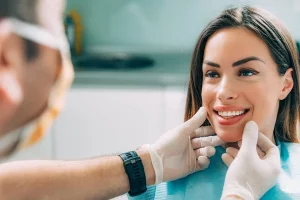
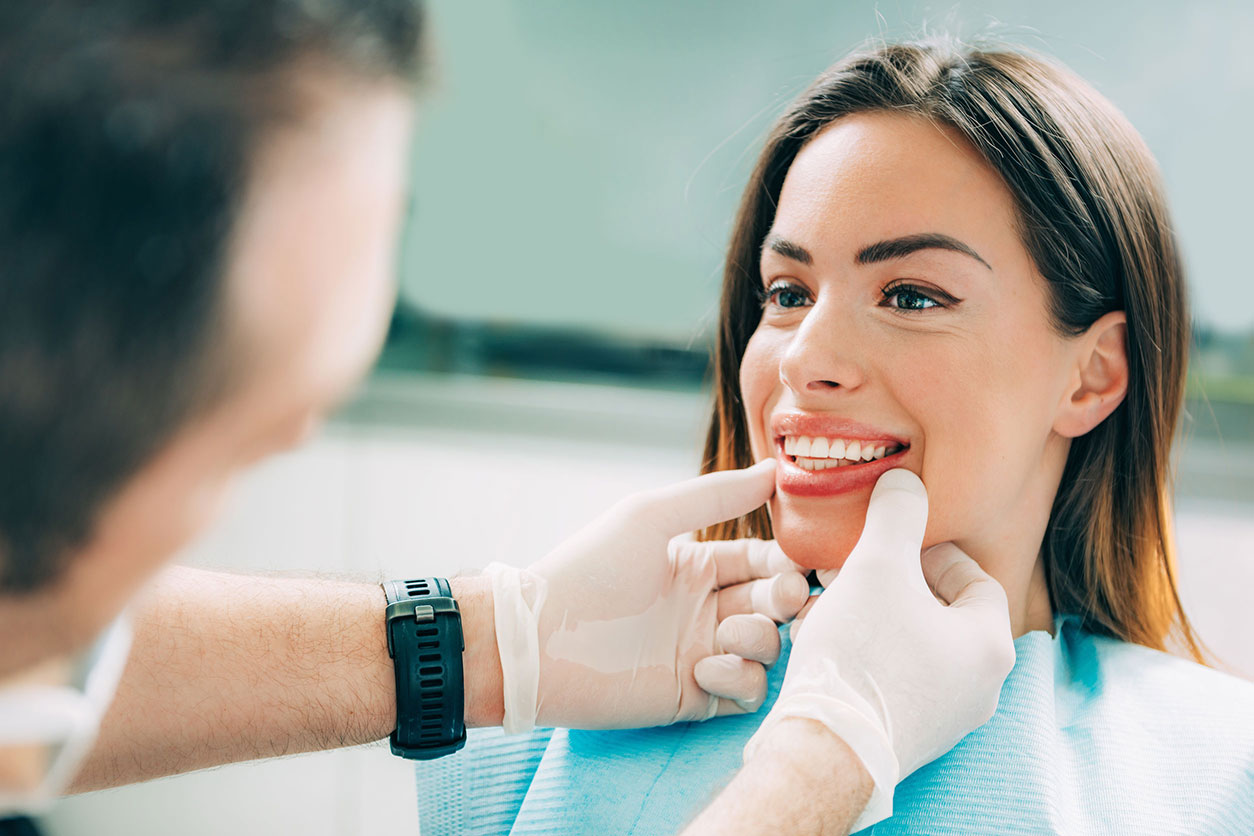
The main objective remains the same: to preserve whiteness while maintaining the overall health of the mouth. A consultation with a dental hygienist immediately after your session provides personalized recommendations based on your habits, diet and the condition of your enamel.
Food and drink: what to choose and what to avoid after teeth whitening?
Food choice has a strong influence on tooth color. Some everyday products are known to alter the whiteness acquired through tooth whitening. Adopting a few reflexes can help you avoid many disappointments in the days and weeks following a whitening treatment.
What foods help preserve results?
Certain foods help keep teeth white longer. Water-rich fruits such as apples, pears and cucumbers naturally clean the tooth surface when chewed. As for green vegetables, their high fiber content limits dye fixation, thus supporting the effect of the whitening treatment.
Regular consumption of dairy products such as milk, cottage cheese or yoghurt also helps remineralize enamel, which is temporarily weakened by bleaching products. A well-balanced diet therefore helps to maintain the results obtained after a visit to the dental surgery.
Which drinks should you limit or avoid?
After tooth whitening, certain beverages should be avoided to avoid tarnishing the restored whiteness. Tea, coffee, red wine and soft drinks are among the main causes of discoloration. Their high pigment and sometimes acid content accelerates the appearance of dark stains on tooth surfaces.
Instead, choose water, milk or clear infusions with no coloured additives. If you feel like drinking tea or coffee, drink through a straw to limit direct contact with your teeth and protect the results of your teeth whitening.
Everyday tips to prolong the whiteness of your teeth
The results obtained by using a home bleaching kit or a professional in-clinic treatment also depend on the care provided at home. Instilling certain reflexes can really make a difference and delay the need for a new teeth whitening session.
Preferential oral hygiene care
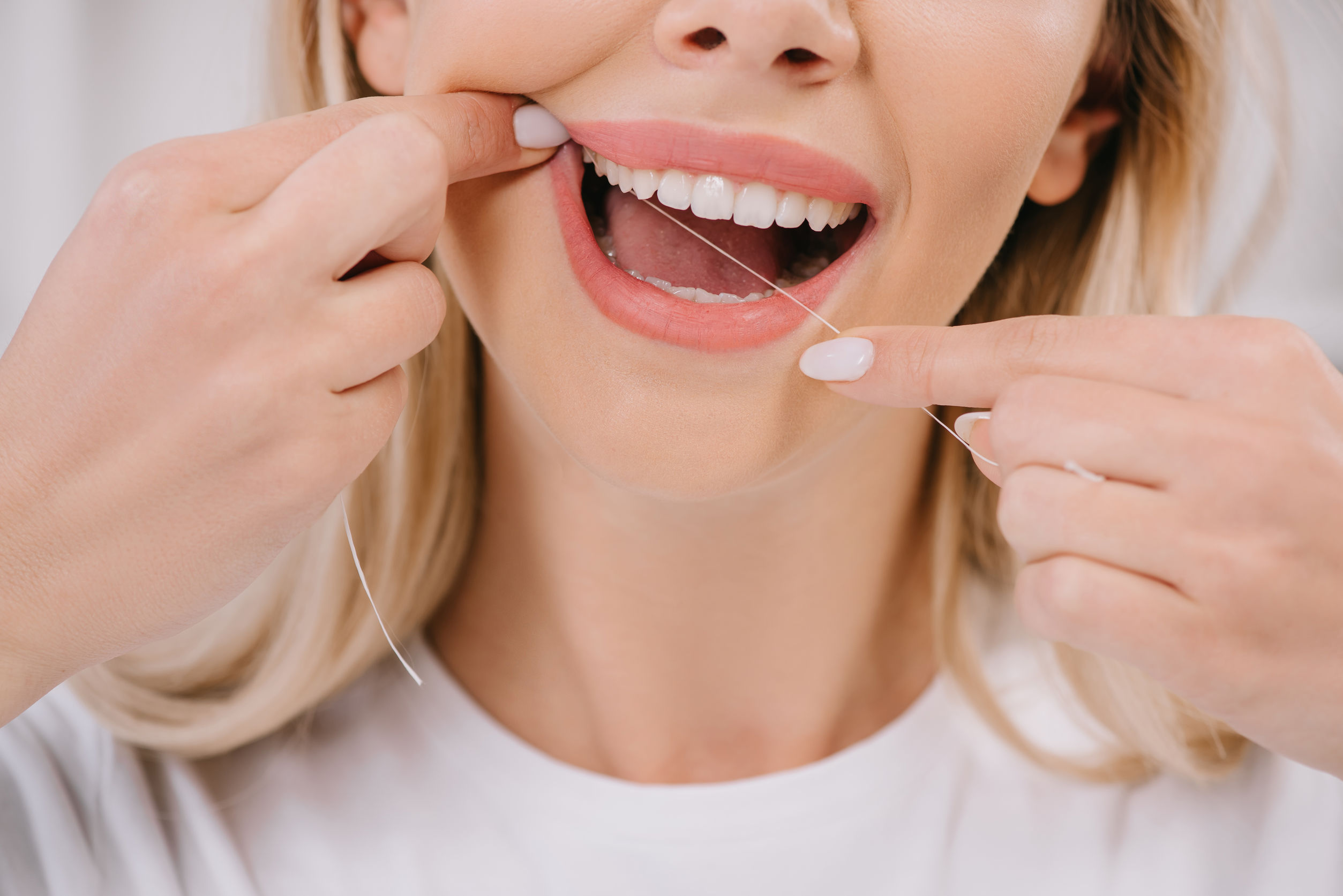
Thorough brushing twice a day plays a key role in maintaining a radiant smile. Choose a soft-bristled toothbrush and a toothpaste specifically designed for whitening teeth. Flossing every night removes residue that could contribute to staining and compromise the results of your teeth-whitening treatment.
To reinforce this routine, use a non-staining mouthwash to prevent further discoloration. For smokers and coffee-lovers, regular professional cleaning by a dental hygienist will help maintain optimal results over time.
Adapting routines and regular monitoring
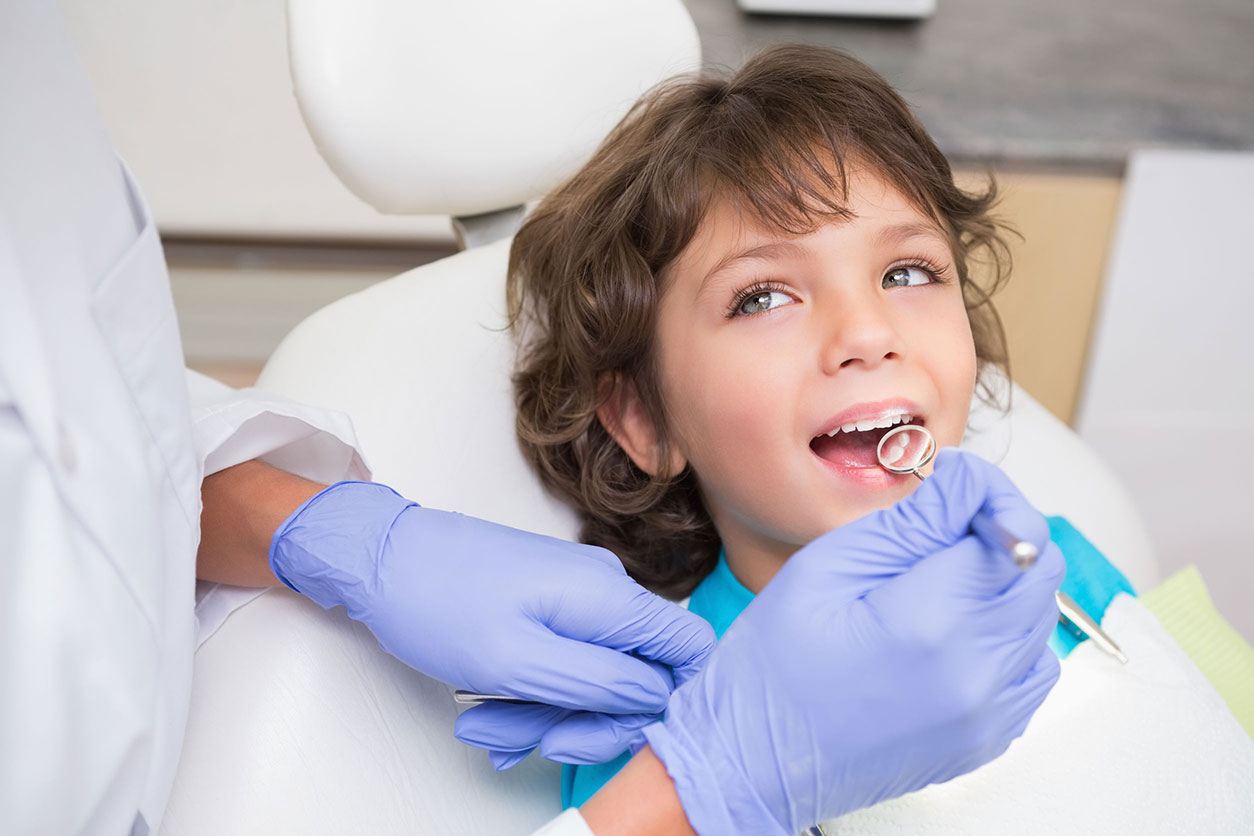
In addition to your daily oral hygiene routine, schedule your dental appointments according to your needs. A checkup or teeth cleaning once or twice a year helps prevent the buildup of a yellowish film. It’s also a good opportunity to get the latest advice on teeth-whitening products.
It's best to seek professional advice before repeatedly using whitening gels or other quick solutions. Systematic use of unprofessionally supervised kits can be harmful to your enamel if they are ill-suited to your situation.
- Regular brushing with a suitable brush
- Daily flossing
- Rinse with clean water after eating colored foods
- Regular professional cleaning
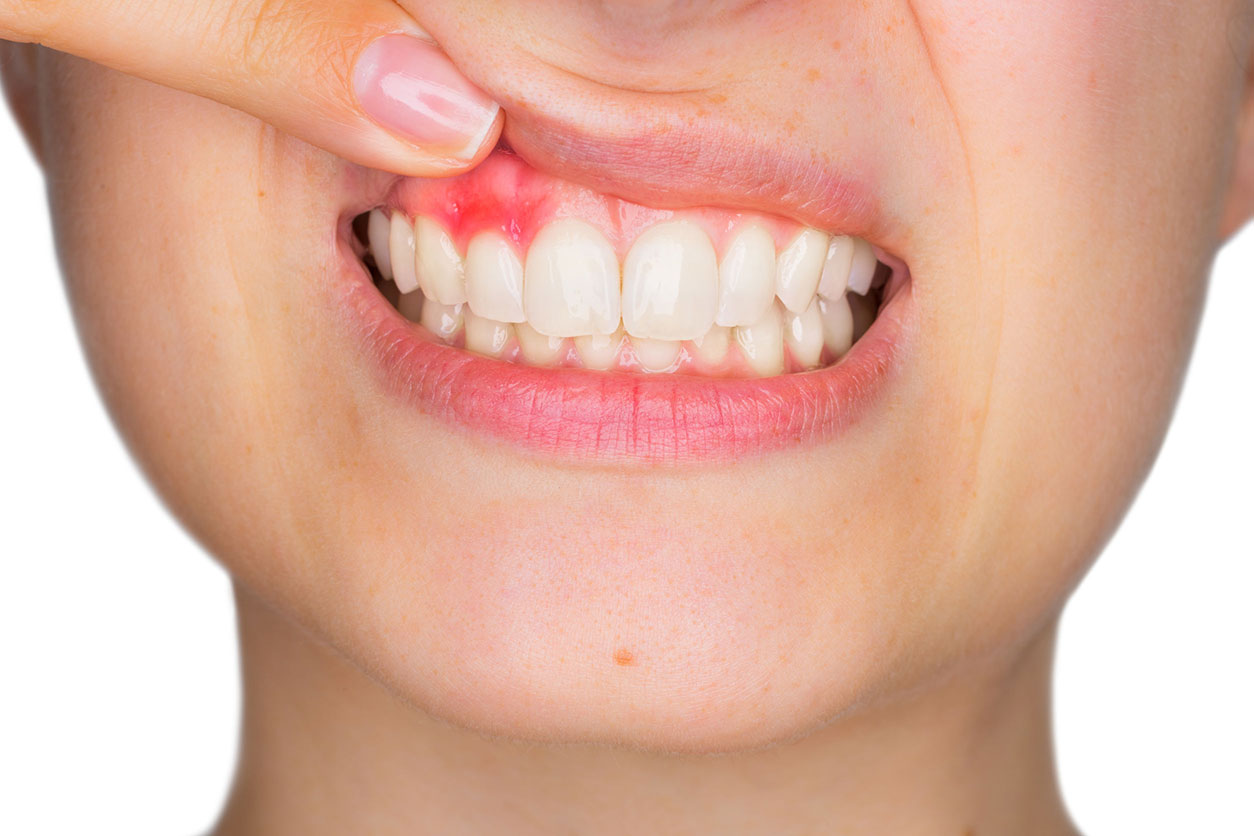
- Monitoring post-bleaching tooth sensitivity
When should I return to the dental clinic?
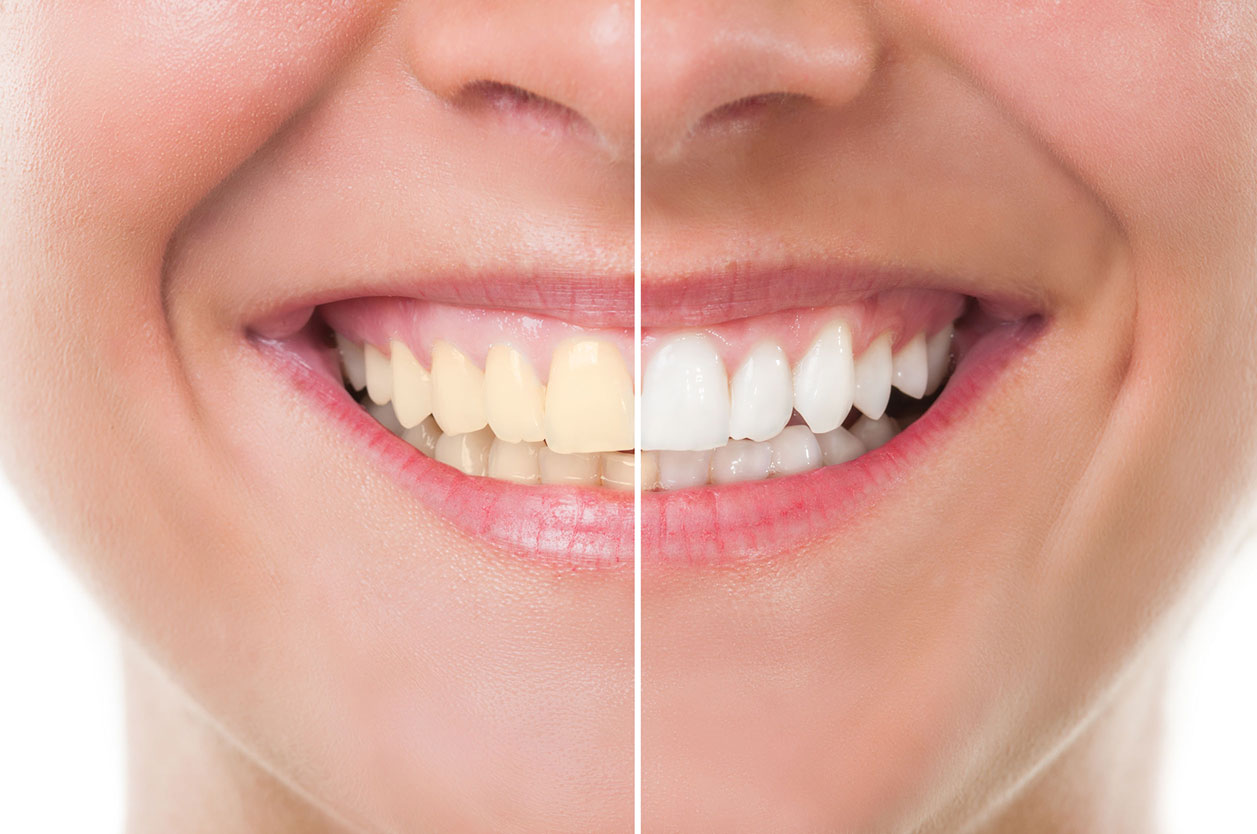
The duration of the results from teeth whitening varies from person to person. Even when following all recommendations carefully, the shade may gradually fade over time. Scheduling an appointment at a specialized center such as the Centre Dentaire Chêne-Bourg allows you to determine the best solution based on the fading of the color or the appearance of sensitive areas.
Professionals will be able to determine whether a new application of whitening gel, gentle maintenance, or simply renewed dietary advice should be considered. If dental or gingival sensitivities arise, a quick visit to the office will rule out any risk and ensure that the results of the initial treatment last. Don't hesitate to make an appointment for personalized follow-up to ensure a long-lasting, radiant smile.
Frequently asked questions about maintaining a radiant smile after tooth whitening