




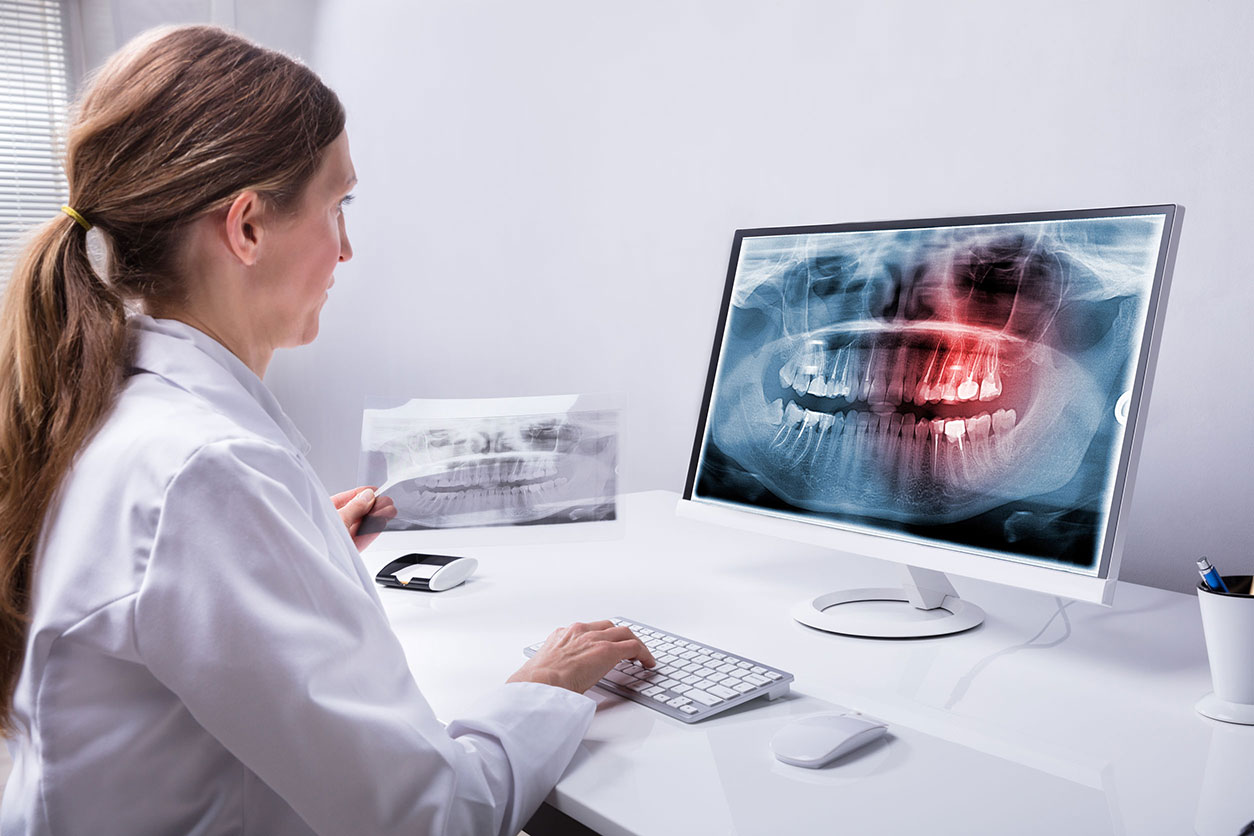




Oral health isn’t always something you can plan for, and sometimes a dental emergency strikes without warning. In Geneva, finding a dentist who can quickly treat a toothache or a dental injury can really make a difference. Whether it’s dental offices, specialized centers, or on-call dentists, there are reliable solutions for accessing fast and effective dental care, depending on the severity or type of problem you’re facing. Let us guide you to better understand how dental emergencies work in Geneva, as well as the various options available when a critical situation arises.
What is a dental emergency?
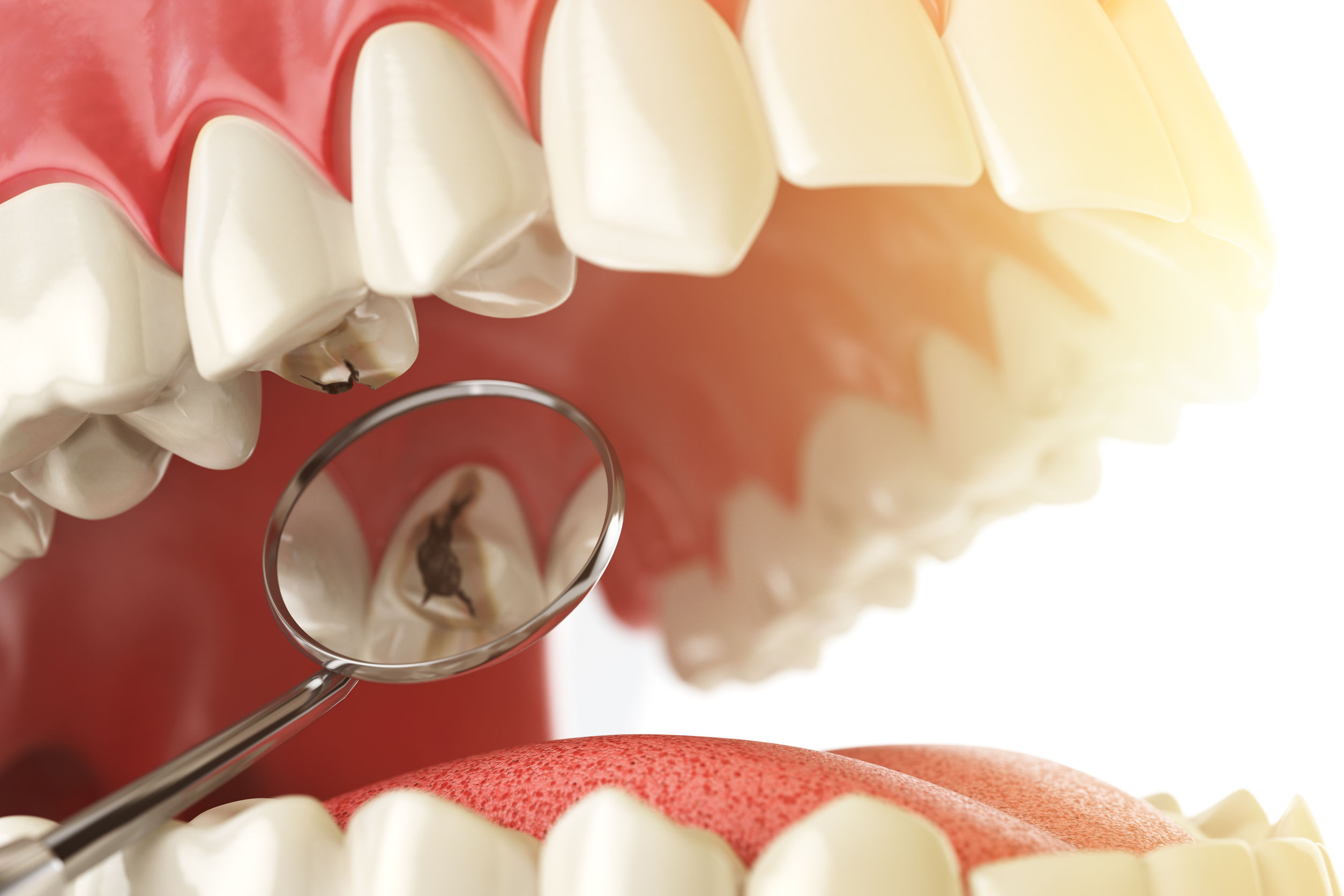
The term “dental emergency” covers several situations that require prompt treatment. It is not always easy to distinguish between tolerable discomfort and a true emergency. However, ignoring certain symptoms can lead to serious complications, particularly in the case of a dental infection or a dental abscess.
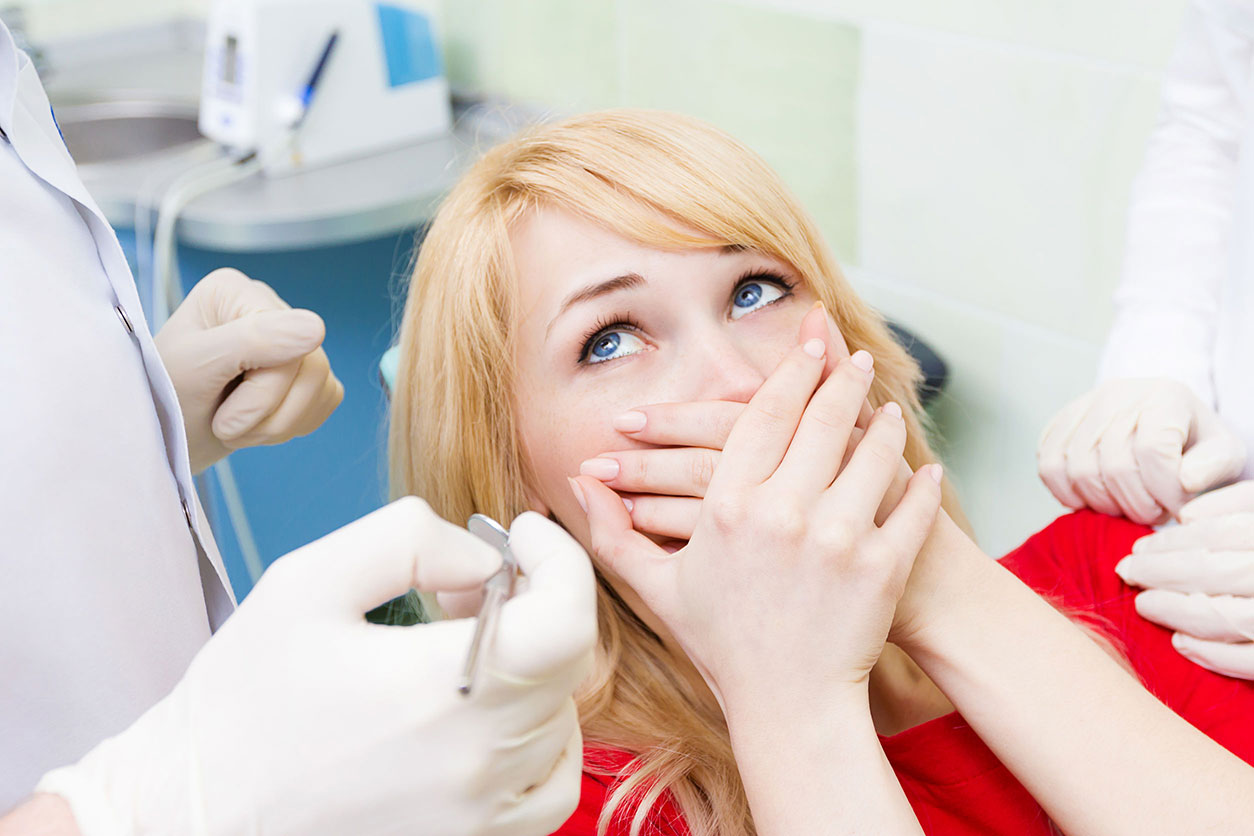
The sudden onset of severe tooth pain, the loss of a crown, a tooth broken due to an impact, or rapidly worsening swelling should serve as warning signs. These are signs that strongly indicate the need to consult a professional without delay. Prompt treatment plays a major role in the outcome of treatment and helps prevent many complications later on.
- Intense or persistent pain
- Dental trauma or broken tooth
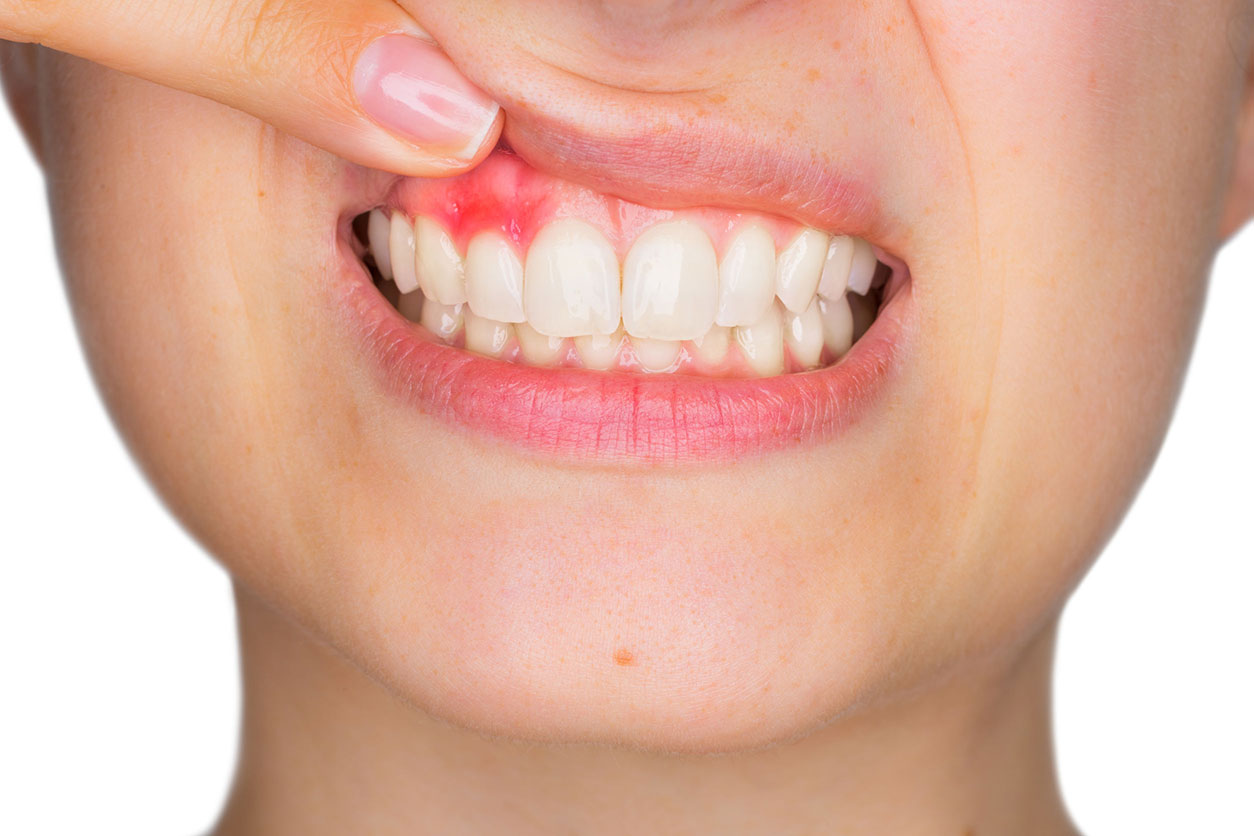
- Sudden swelling (dental abscess)
- Bleeding that is difficult to control after extraction
- Displaced tooth impact
The main types of dental emergencies
A dental emergency can have multiple causes. Each type requires a specific response, in both adults and children. In Geneva, dental practices and clinics offer different protocols, depending on the diagnosis made during the first visit.
It's important to recognize each situation so you can adapt your response to a dental accident or acute pain. This ensures prompt dental care and avoids unnecessary complications.
Dental trauma and broken teeth: how to react?
Dental trauma caused by a fall, a blow or a sports accident can result in a broken, displaced or even knocked-out tooth. In such cases, it's best to recover the tooth fragment if possible, preserve it in milk and consult a dental practice as soon as possible. Reacting quickly can sometimes enable the tooth to be replaced or limit the after-effects.
Simple measures taken in the first few minutes can reduce the consequences of a dental accident. Dental emergency teams are often equipped to respond effectively to this type of situation.
Dental abscesses and infections: recognizing the dangers
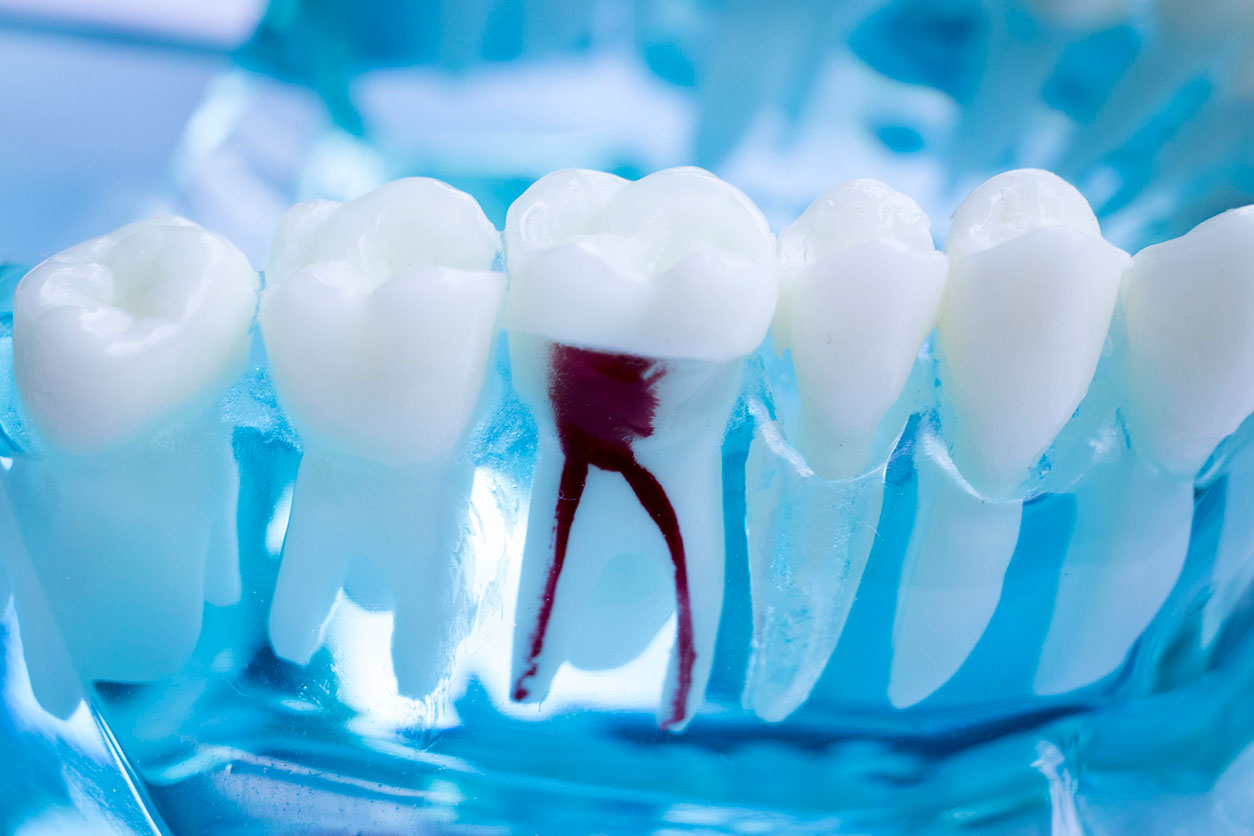
A dental abscess is an acute infection of the gum or the root of a tooth, characterized by painful swelling, fever, and sometimes pus discharge. This condition should never be ignored, as the infection can spread to sensitive areas such as the sinuses or cause systemic complications.
Prompt dental care is aimed at draining the abscess, relieving the pain and then eliminating the cause of the infection with appropriate treatment and, if necessary, antibiotic therapy. Waiting to consult a specialist can expose you to serious risks to your overall health.
How do I find an on-call dentist in Geneva?
Stumbling upon a dental emergency on a Sunday, during a public holiday or outside normal working hours can seem complicated. Fortunately, in Geneva, an on-call dentist service takes care of patients every day of the year, including overnight.
There are several ways of locating an available practitioner: by telephone, by consulting the websites of professional associations or by displaying a notice at the entrance to the dental surgery. These systems ensure continuous access to emergency dental care, guaranteeing patient safety and comfort.
- Regional telephone services
- Display in pharmacies and health centers
- Consultation of official platforms
What to expect in a dental emergency
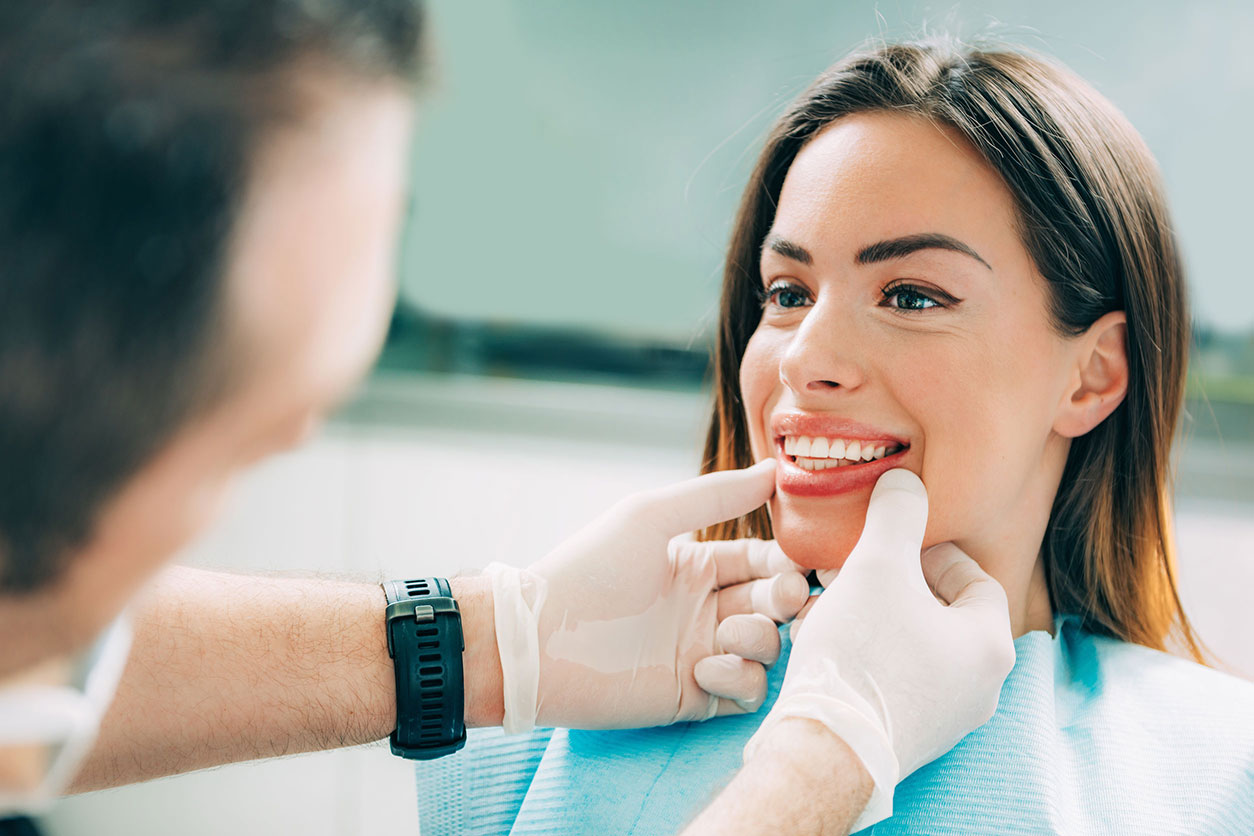
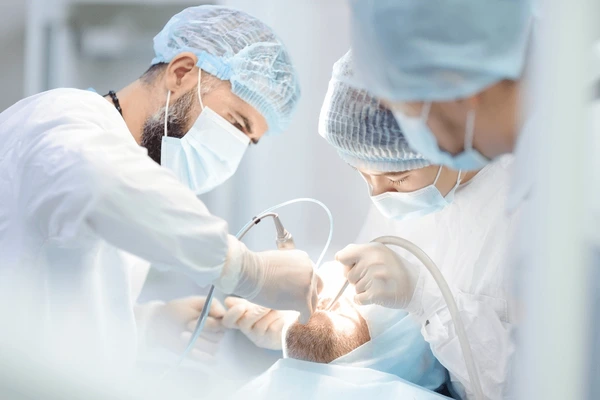
An emergency dentist's scope of action ranges from immediate symptomatic treatment to complete management of the problem. Once on site, the patient is usually given a thorough examination to tailor treatment to the precise nature of the problem.
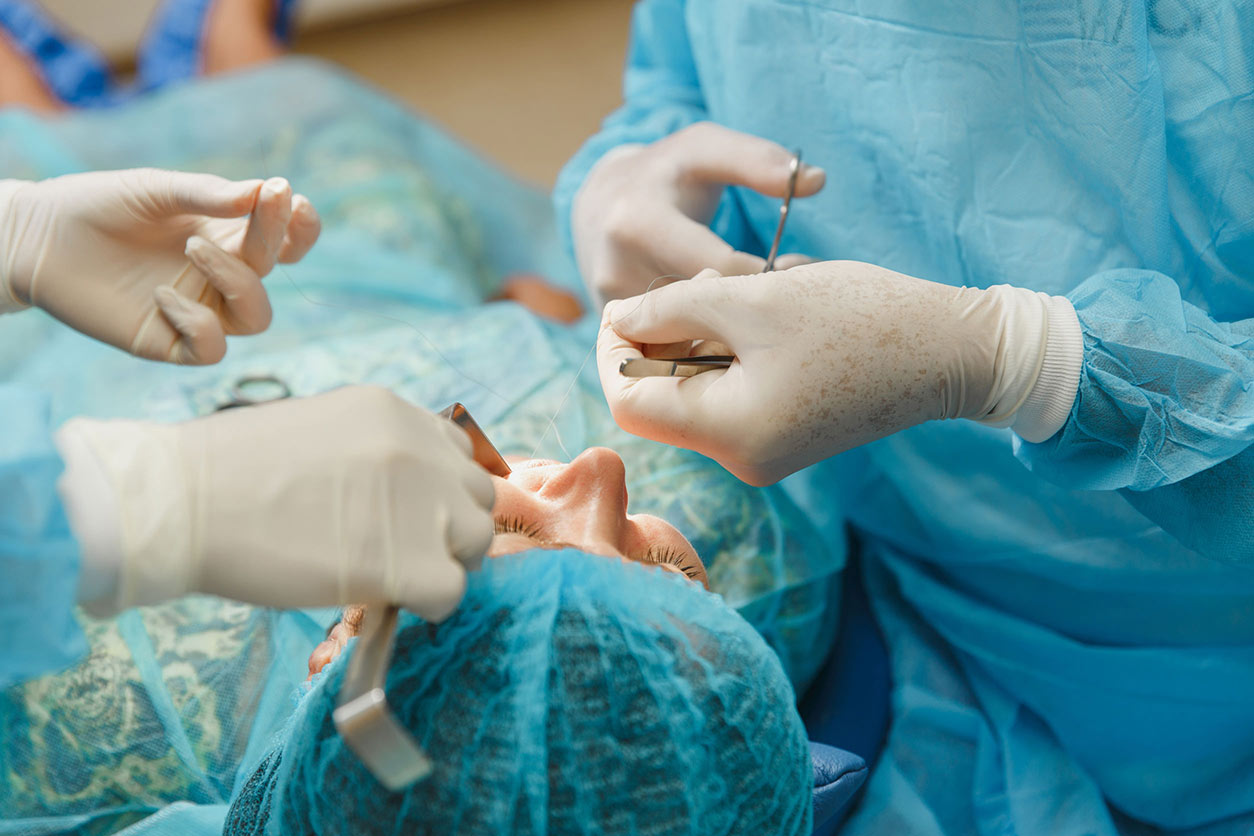
Every dental practice follows a standard protocol to assess, stabilize, and then develop a long-term solution: pain management, drainage, or minor surgery, followed by a temporary or permanent restoration, depending on the situation. The goal is to provide rapid relief while preserving long-term oral health.
| Type of emergency | Immediate care |
| Severe dental pain | Pain medication, etiological research |
| Dental abscess | Drain abscess, prescribe antibiotics |
| Broken or expelled tooth | Restraint, repositioning, repair |
| Dental infection | Cleaning, antiseptic treatment |
Preventing and anticipating dental emergencies
Prevention is better than cure, especially when it comes to dental health. Certain habits—which anyone can adopt—significantly reduce the risk of a dental emergency. A balanced diet, thorough and regular brushing, and frequent visits to the dentist remain essential.
Sportsmen and women should use mouthguards during intense training sessions. For children, teaching strict hygiene from an early age is vital to avoid tooth decay and dental fragility. Dental clinics often offer personalized check-ups to detect any weak points at an early stage.
- Brush at least every morning and evening
- Choose the right fluoride products
- Regular check-ups with your dentist
- Eat a varied diet, low in fast sugars
- Use protection during high-risk sports activities
Discover also the Centre Dentaire Lancy and the Centre Dentaire Champel
Frequently asked questions about dental emergencies in Geneva