
















The basics of dental anesthesia
In the dental field, pain management remains an absolute priority. The aim is to enable the professional to act effectively without generating unnecessary discomfort for the patient. Several options are available to ensure that everyone benefits from a solution tailored to their needs, whether for routine or more complex procedures.
The main types of anesthesia are local anesthesia, general anesthesia, and various forms of sedation. Each technique has its own indications, advantages, and limitations, which is why it is essential to seek information before any procedure.
What are the main forms of anesthesia used in dental practices?
The choice of anesthesia depends on the type of treatment, the patient’s age, general health, and sensitivity (particularly in cases of dental phobia or anxiety). The three main types of anesthesia used in dentistry can address all situations encountered in a dental office.
How does local anesthesia work?
Local anesthesia is widely used in dental care. It involves administering an anesthetic injection near the affected tooth, gum, or nerve. This method temporarily blocks nerve conduction, effectively eliminating pain for the duration of the procedure. Sensation returns gradually, allowing patients to quickly resume their normal lives after treatment.
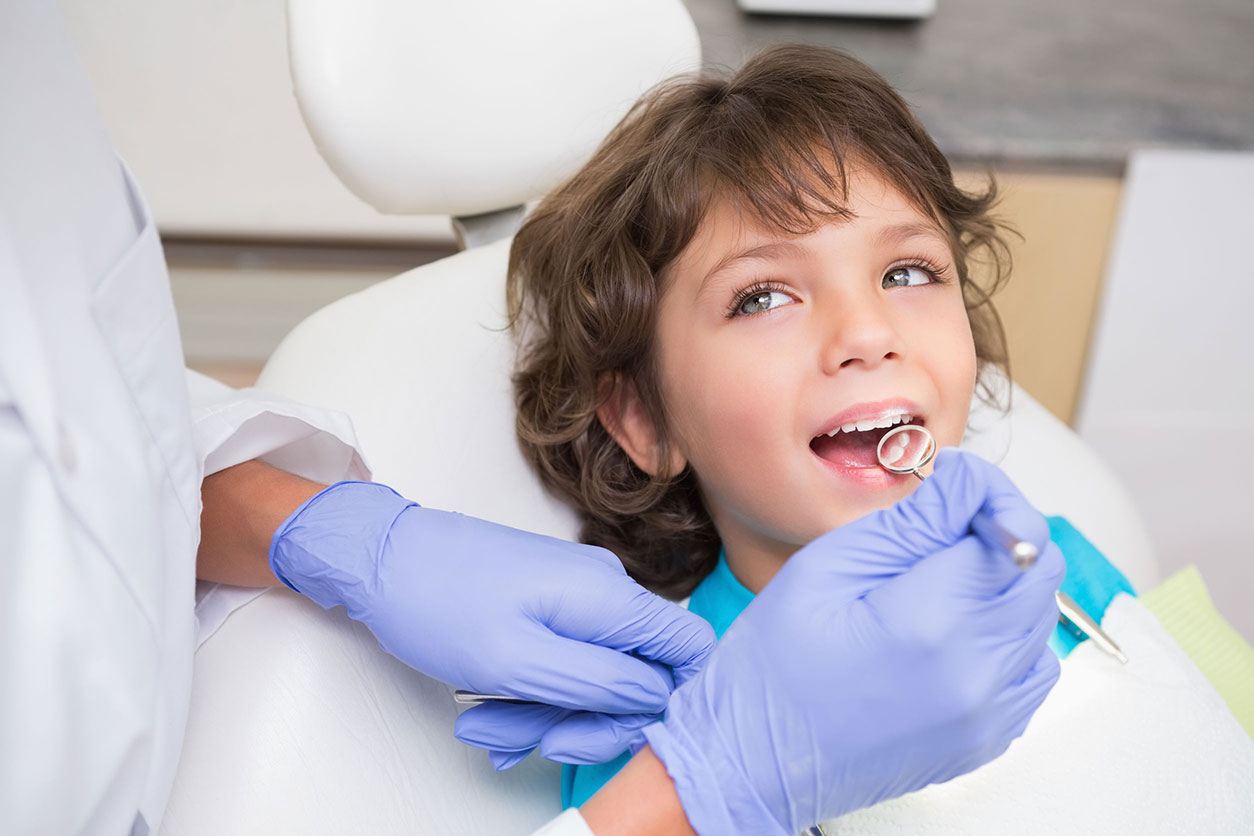
This technique is suitable for both simple procedures (subgingival scaling, composite fillings) and more extensive procedures (tooth extraction, root canal treatment). In children, pediatric anesthesia requires precise dosage adjustments to ensure optimal safety.
What is surface anesthesia?
Surface anesthesia, also known as topical anesthesia, provides superficial numbing of the oral mucosa. An anaesthetic gel or spray is applied to the area to be treated, often just before an anaesthetic injection, to further reduce discomfort associated with the sting.
The short duration of topical anesthesia limits its use to minimally invasive procedures, such as removing stitches, certain types of pediatric care, or treatment for patients with a fear of the dentist. This approach helps build trust before more extensive treatment.
What are the advantages of sedation?
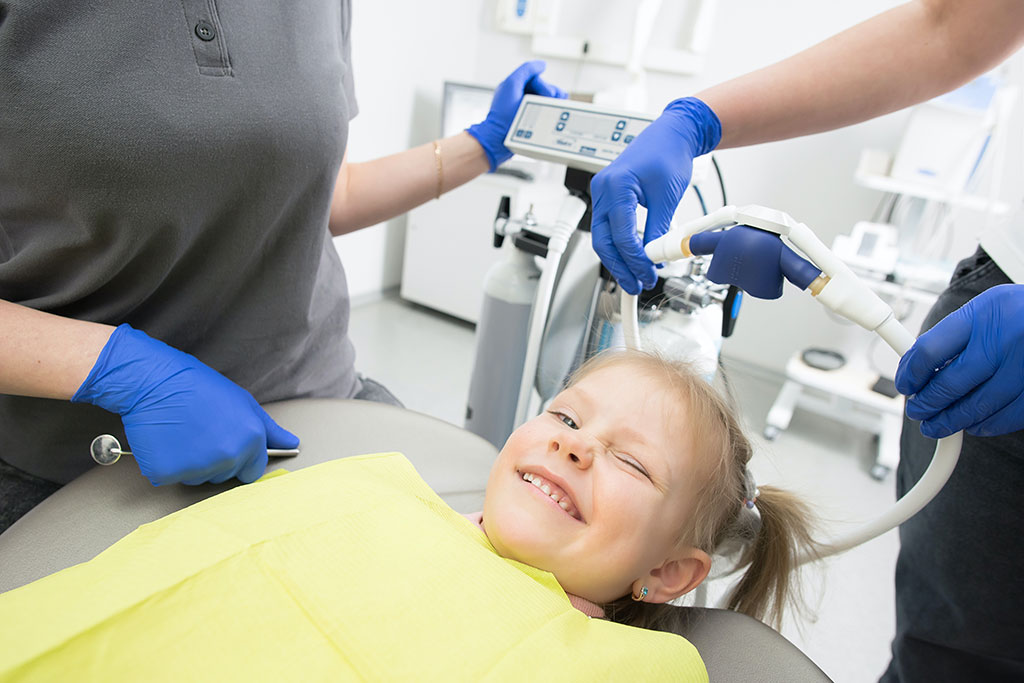
Conscious sedation is used when additional support is required to enhance the experience of care. For example, sedation by inhalation of nitrous oxide relaxes without causing unconsciousness: anxiety is reduced, patient cooperation increases, while protective reflexes are maintained.
This mode is particularly appealing to people with a phobia of the dentist, or who have had difficult experiences during previous treatments. For long or multiple treatments, especially in children, sedation improves overall tolerance and fosters a positive relationship with the dental world.
When is general anesthesia used?
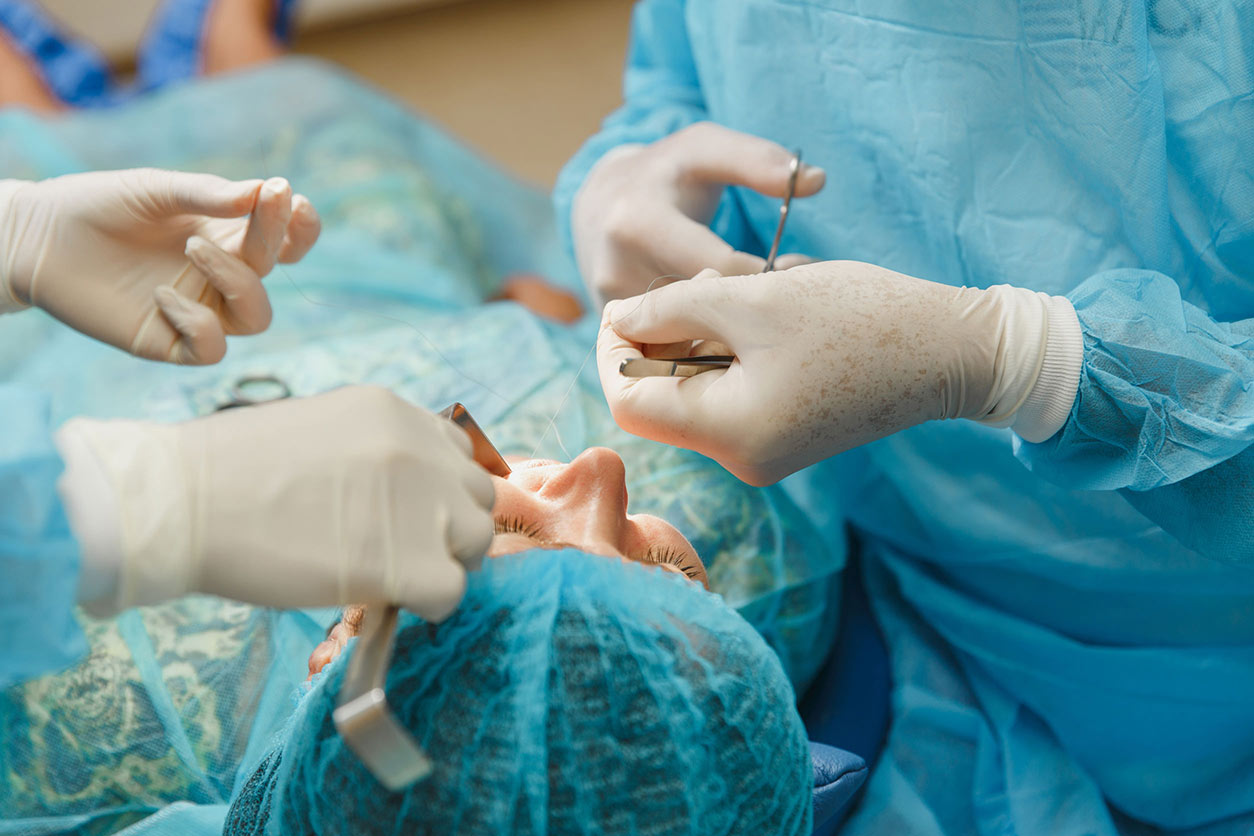
General anaesthesia is reserved for specific situations, notably heavy surgery, complex extractions or major disabilities that make conventional care impossible. Under general anaesthesia, the patient sleeps entirely during the procedure, requiring the presence of a specialized medical team and a secure hospital environment.
A pre-anesthesia consultation is essential before any general anesthesia: it allows us to assess medical risks, provide all necessary recommendations, and plan postoperative care in coordination with the referring physician.

Comparative summary of the main anesthesia methods
To better understand the differences between each method, here is a summary table of the essential features of each type of dental anesthesia:
| Type of anesthesia | Principle | Duration of anesthesia | Main applications |
| Local anesthesia | Targeted injection | From 30 minutes to 2 hours | All standard procedures |
| Surface anesthesia (topical) | External local application | A few minutes | Brief gestures, prelude to further anesthesia |
| Conscious sedation | Inhalation or oral | Varies according to protocol | Anxiety, children, long-term care |
| General anesthesia | Total loss of consciousness | Depending on surgical procedure | Complex surgery, severe disabilities |
Dental care under anesthesia: what to anticipate when booking an appointment
Prior discussion with the care team enables anesthetic management to be personalized. Evaluating sensitivity to pain, informing the patient of the duration of anesthesia, pointing out any allergies or existing disorders: these are all elements that guarantee a serene experience. It's a good idea to mention any anxiety the dentist may have at the first contact, as adapting the environment and choosing the right protocol can transform the course of care.
For children and paediatric anaesthesia, a familiarization visit promotes trust and ideally prepares the patient for the appointment. Specialized practices, such as the Centre Dentaire Chêne-Bourg, are happy to communicate with parents to adjust the choice of anesthesia mode according to the age, emotional state and clinical needs of the young patient.
- Discuss the different anesthesia solutions available, depending on the type of treatment.
- Inform the team of any feelings experienced during previous care (discomfort, stress, poor tolerance).
- Take into account your current treatments and medical specificities.
- Ask any useful questions about pain management and after-care.
- Ask about instructions before, during and after anesthesia.
At the Centre Dentaire Chêne-Bourg, every patient benefits from attentive listening and personalized advice to choose the solution best suited to his or her situation. Don't hesitate to make an appointment to discuss your needs and receive tailor-made support.
Discover also the Centre Dentaire Lancy and the Centre Dentaire Champel
Frequently asked questions about dental anesthesia